If your results feel unpredictable, it’s usually a sign that your sales process is either unclear, inconsistent, or completely missing. Without a defined system, every lead is handled differently, and conversion becomes random instead of repeatable.
Building a sales process that actually converts is not about scripts or pressure tactics — it’s about creating a structured path that guides every lead from interest to decision.
What Is a Sales Process and Why It Matters
A sales process is a step-by-step system that defines how leads are handled, communicated with, and converted into customers. It ensures that every interaction follows a clear structure instead of relying on guesswork.
Without a proper sales process, businesses face common problems:
- Leads are not followed up consistently
- Communication is unclear
- Opportunities are lost
- Sales depend on individual effort instead of systems
A well-defined sales process eliminates these issues by creating consistency and predictability.
Why Most Sales Processes Don’t Convert
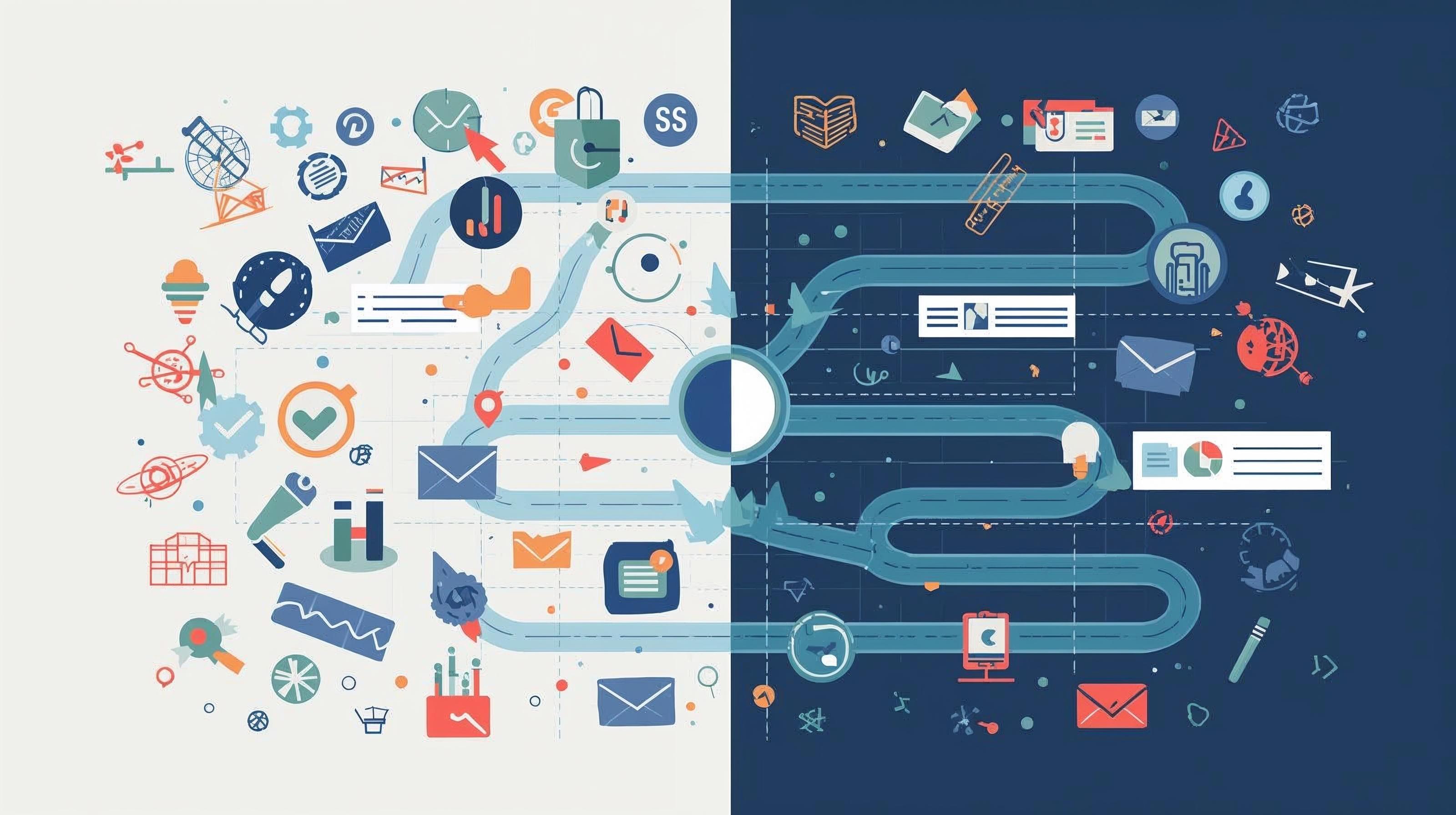
Many businesses believe they have a sales process, but in reality, they only have loose steps without structure.
The most common reasons why a sales process fails include slow response time, lack of follow-ups, unclear value communication, and poor organization.
When these problems exist, leads lose interest quickly. Even high-quality leads will not convert if the process behind them is weak.
This is why improving your sales process is often more important than generating more leads.
The Structure of a High-Converting Sales Process
A sales process that actually converts follows a clear and structured flow. Each step has a purpose and moves the lead closer to a decision.
The typical stages include:
- Lead capture
- Initial contact
- Qualification
- Presentation or offer
- Follow-up
- Closing
The key is not just having these stages, but defining exactly what happens at each step.
Step-by-Step: How to Build a Sales Process That Converts
The first step is to map your current process. Understand how leads currently move through your business. Identify where leads drop off and where delays happen.
Next, define clear actions for each stage. For example, when a lead enters the system, who contacts them, how quickly, and with what message?
Then, implement follow-up rules. Most leads do not convert on the first contact. A structured follow-up system is essential.
Finally, track and improve the process continuously. A sales process is not static — it evolves as you learn what works.
The Role of CRM in Building a Sales Process
One of the biggest challenges in managing a sales process is organization. Without a central system, leads are scattered across emails, messages, and notes.
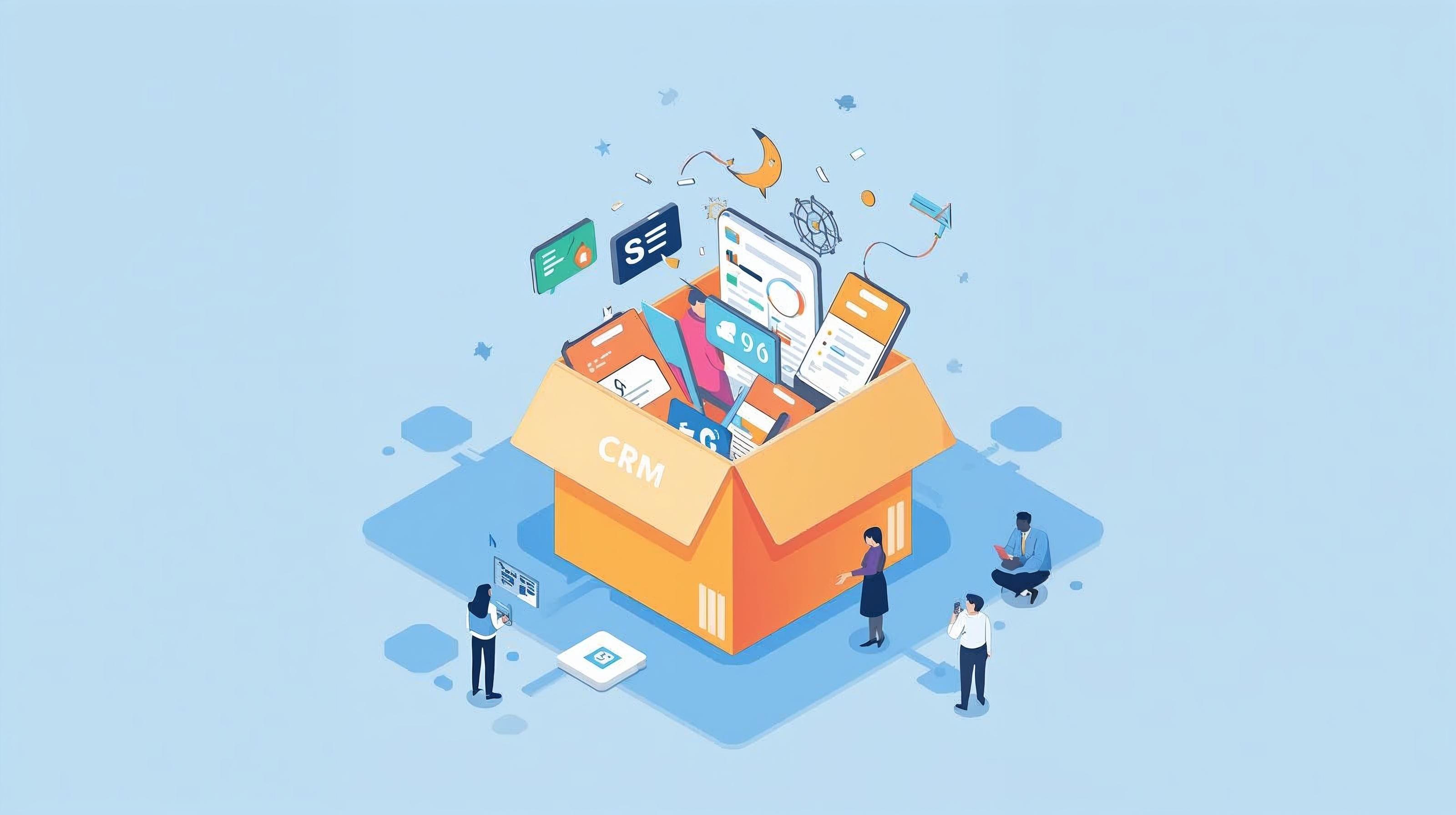
This is where a CRM for sales becomes essential. A CRM system allows businesses to track every lead, manage every stage, and ensure that no opportunity is lost.
Modern CRM platforms also allow automation. Tasks, follow-ups, and workflow steps can be triggered automatically, reducing manual work and increasing consistency.
Platforms like Lua CRM help businesses build structured sales processes by combining lead management, automation, and workflow systems in one place.
Instead of relying on manual effort, businesses can create a system that ensures every lead is handled properly.
Common Mistakes to Avoid
When building a sales process, many businesses make similar mistakes.
One of the biggest mistakes is overcomplicating the process. A sales process should be clear and easy to follow.
Another mistake is inconsistency. If different team members follow different approaches, results will vary.
Finally, lack of follow-up is one of the main reasons leads do not convert. A structured system must include multiple follow-ups.
How to Improve Your Conversion Rate
Improving your sales process is one of the fastest ways to increase revenue.
Focus on:
- Faster response time
- Clear communication
- Consistent follow-ups
- Better organization
Even small improvements in these areas can significantly increase conversion rates.
From Process to System
The difference between average and high-performing businesses is not effort — it is systems.
A sales process becomes truly powerful when it is supported by a system. Instead of relying on people to remember tasks, the system ensures everything is done correctly.
Using a CRM for small business allows companies to turn their sales process into a repeatable and scalable system.
If you want to understand how structured systems improve overall business performance, read our guide on fixing business chaos with systems.
Final Thoughts
Building a sales process that actually converts is not about doing more work — it is about doing the right work in the right order.
By defining clear stages, implementing follow-ups, and using the right tools, you can turn unpredictable sales into a consistent system.
The goal is simple: every lead should follow a clear path toward conversion.
And the only way to achieve that consistently is through a structured sales process.
If you are ready to build a system that converts, explore Lua CRM and see how you can automate and optimize your sales workflow.