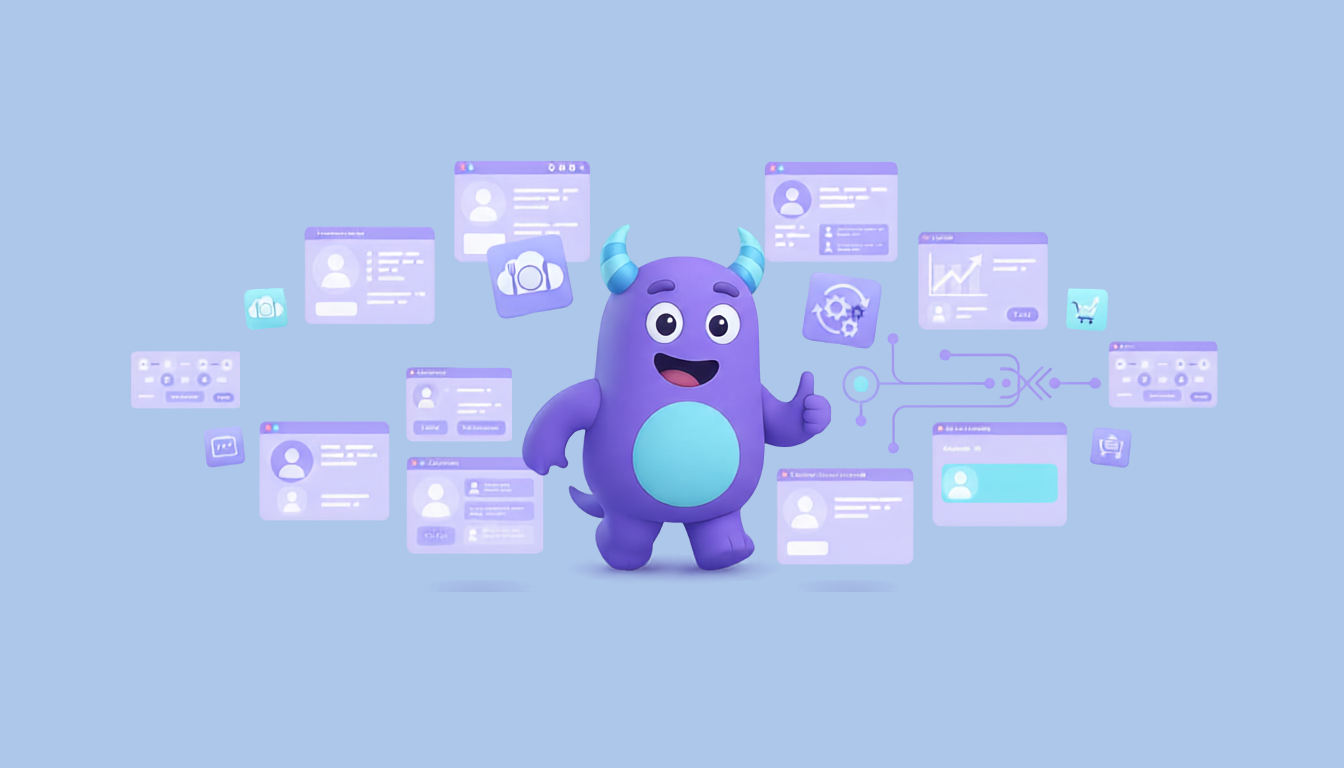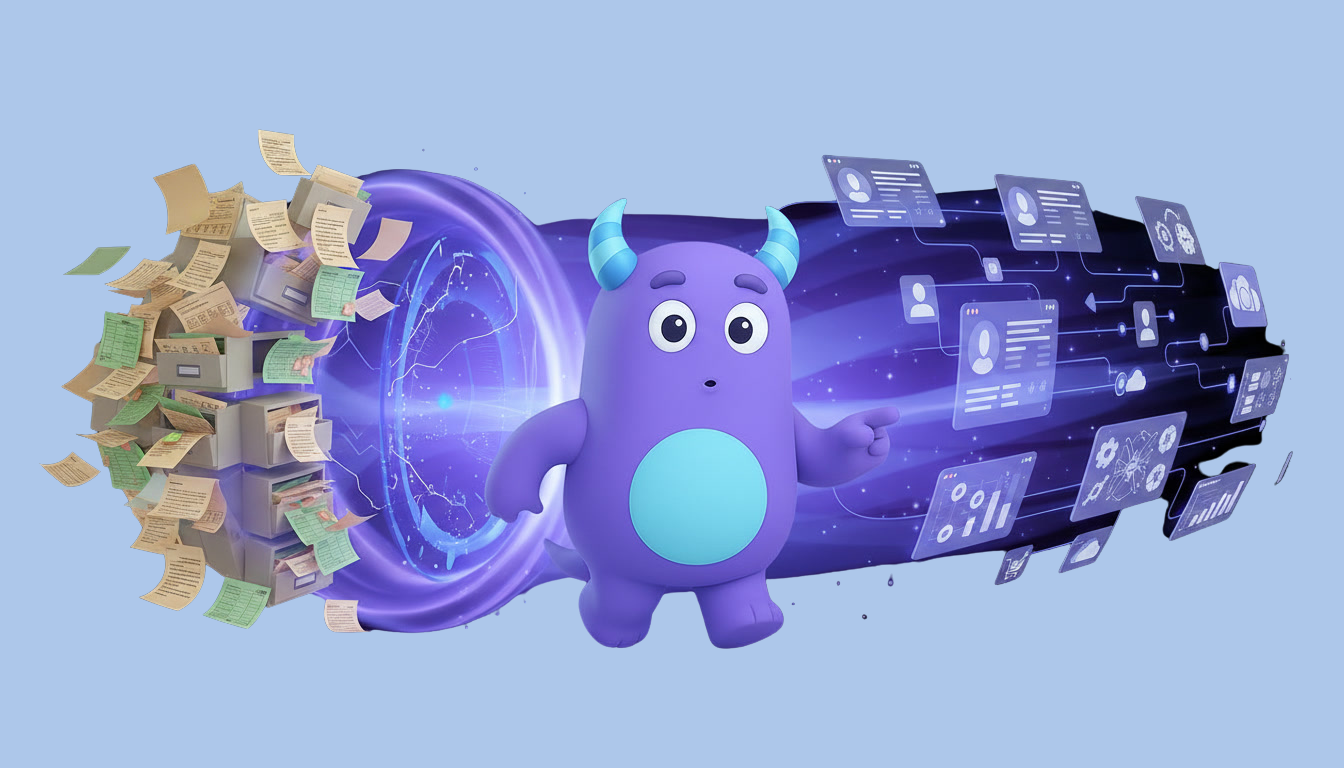
بدون إدارة مناسبة للعملاء المحتملين، تضيع العملاء المحتملين، وتتأخر المتابعات، وتختفي الفرص. يؤدي هذا إلى إهدار جهود التسويق وانخفاض معدلات التحويل.
في هذا الدليل، سنتناول عملية إدارة العملاء المحتملين الكاملة - من أول اتصال إلى إتمام الصفقة - ونوضح كيف يمكن للشركات بناء أنظمة تعمل على تحسين الكفاءة وزيادة الإيرادات.
ما هي إدارة العملاء المحتملين؟
إدارة العملاء المحتملين هي عملية التقاط وتتبع ورعاية وتحويل العملاء المحتملين إلى عملاء يدفعون. وهي تغطي كل تفاعل من لحظة دخول العميل المحتمل إلى نظامك حتى إغلاق الصفقة.
تضمن عملية إدارة العملاء المحتملين جيدة التنظيم عدم تفويت أي فرصة والتعامل مع كل عميل محتمل باستمرار.
لماذا تهم إدارة العملاء المحتملين؟
تركز العديد من الشركات فقط على توليد العملاء المحتملين، ولكن بدون إدارة مناسبة، نادرًا ما يتحول هؤلاء العملاء المحتملون.
يساعد نظام إدارة العملاء المحتملين القوي الشركات على:
- زيادة معدلات التحويل
- تحسين التواصل
- الرد بشكل أسرع على العملاء المحتملين
- بناء علاقات أقوى مع العملاء
- توسيع نطاق العمليات بكفاءة
باختصار، فإنه يحول الفرص المحتملة إلى إيرادات حقيقية.
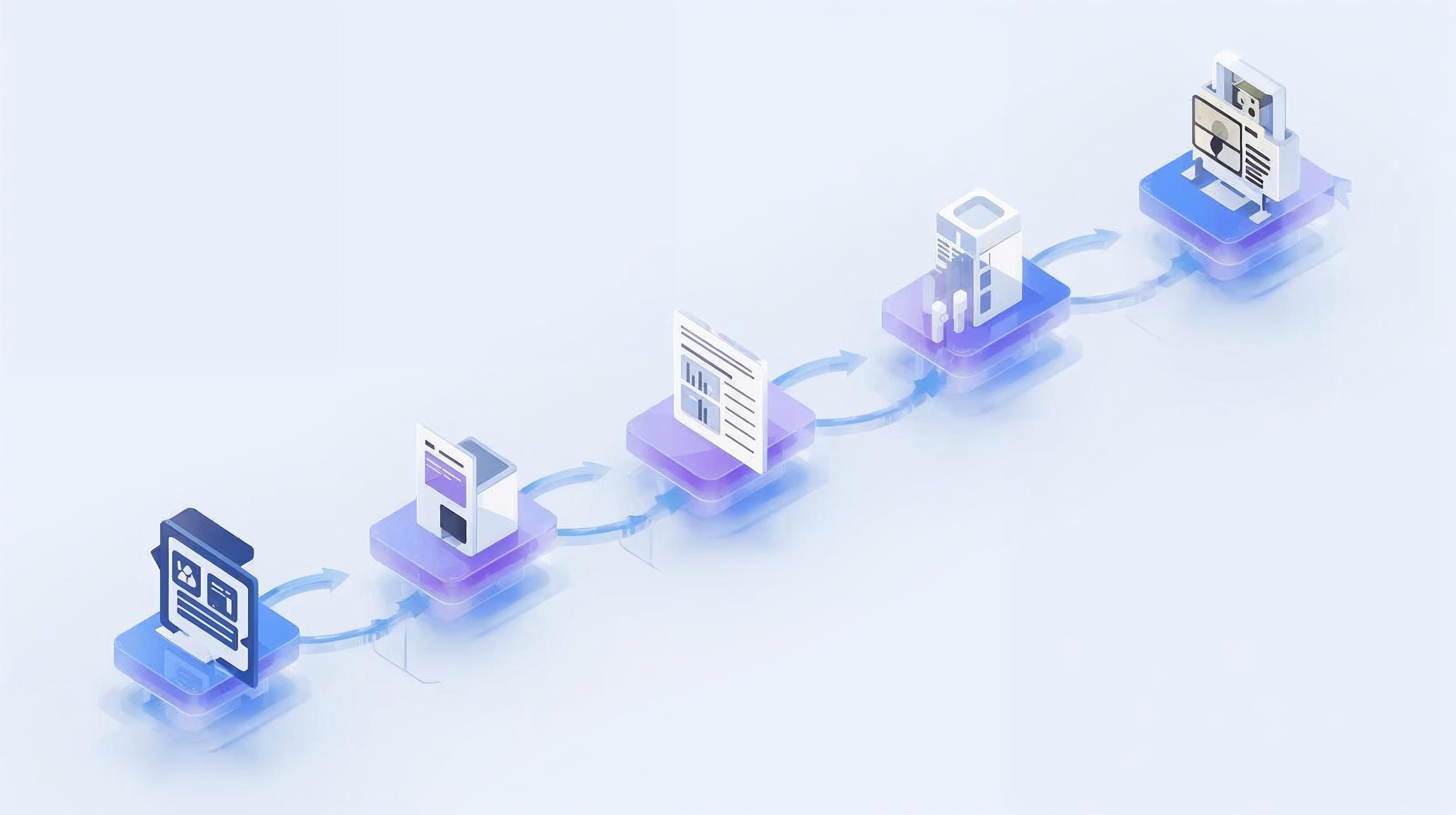
فهم دورة حياة العميل المحتمل
لا يصبح العميل المحتمل عميلاً على الفور. ينتقل عبر عدة مراحل قبل اتخاذ القرار.
تتضمن دورة الحياة النموذجية الوعي والاهتمام والاعتبار واتخاذ القرار. تتطلب كل مرحلة نهجًا ونوعًا مختلفًا من التواصل.
إن فهم دورة الحياة هذه يسمح للشركات بتوجيه العملاء المحتملين بشكل أكثر فعالية خلال العملية.
الخطوة 1: التقاط العملاء المحتملين
الخطوة الأولى هي التقاط العملاء المحتملين من مصادر مختلفة مثل مواقع الويب أو وسائل التواصل الاجتماعي أو الإعلانات أو الإحالات.
يجب جمع جميع العملاء المحتملين في مكان واحد لضمان التتبع والتنظيم المناسبين.
بدون التقاط مركزي للعملاء المحتملين، تخاطر الشركات بفقدان فرص قيمة.
الخطوة 2: تأهيل العملاء المحتملين
ليس كل العملاء المحتملين مستعدين للشراء. من المرجح أن يتحول البعض أكثر من غيرهم.
يساعد تأهيل العملاء المحتملين في تحديد العملاء المحتملين ذوي الجودة العالية بناءً على عوامل مثل الاهتمام والميزانية والاحتياجات.
يتيح هذا لفريقك التركيز على الفرص الواعدة.
تسجيل نقاط العملاء المحتملين وتحديد الأولويات
تسجيل نقاط العملاء المحتملين هو طريقة تستخدم لتصنيف العملاء المحتملين بناءً على احتمالية تحويلهم.
يمكن أن تشمل العوامل:
- مستوى المشاركة
- التفاعل مع المحتوى
- الملف التعريفي للشركة
- السلوك والنشاط
تحسين أولويات العملاء المحتملين يحسن الكفاءة ويزيد من معدلات النجاح.
الخطوة 3: توزيع العملاء المحتملين
بمجرد تأهيل العملاء المحتملين، يجب تعيينهم لعضو الفريق المناسب في أسرع وقت ممكن.
يعمل التوزيع السريع على تحسين وقت الاستجابة ويزيد من فرص التحويل.
يمكن أن تؤدي التأخيرات في هذه المرحلة إلى ضياع الفرص.
أهمية السرعة
السرعة هي أحد أهم العوامل في تحويل العملاء المحتملين.
الرد بسرعة على العميل المحتمل يزيد بشكل كبير من فرص إتمام الصفقة.
تقلل الاستجابات البطيئة من الاهتمام وتسمح للمنافسين بالاستفادة.
الخطوة 4: رعاية العملاء المحتملين
معظم العملاء المحتملين ليسوا مستعدين للشراء على الفور. تتضمن رعاية العملاء المحتملين بناء الثقة بمرور الوقت.
يمكن أن يشمل ذلك:
- التواصل عبر البريد الإلكتروني
- المتابعات
- مشاركة محتوى قيم
تحافظ الرعاية المستمرة على تفاعل العملاء المحتملين وتقربهم من اتخاذ القرار.
بناء استراتيجية متابعة متسقة
تعتبر المتابعات ضرورية في إدارة العملاء المحتملين. تحدث العديد من التحويلات بعد تفاعلات متعددة.
يضمن نظام المتابعة المنظم عدم نسيان العملاء المحتملين.
الاتساق هو المفتاح للحفاظ على المشاركة.
الخطوة 5: التفاعل مع المبيعات
في هذه المرحلة، يتواصل فريقك مباشرة مع العملاء المحتملين لفهم احتياجاتهم وتقديم الحلول.
التواصل الفعال والقيمة الواضحة أمران بالغان الأهمية للنجاح.
التخصيص في إدارة العملاء المحتملين
يقلل التواصل العام من المشاركة. تزيد الرسائل المخصصة من الثقة والأهمية.
يتيح استخدام البيانات حول العملاء المحتملين للشركات تصميم نهجها وتحسين النتائج.
الخطوة 6: إتمام الصفقة
الخطوة الأخيرة هي تحويل العميل المحتمل إلى عميل.
تزيد العروض الواضحة والتواصل القوي والمتابعات في الوقت المناسب من معدلات النجاح.
يعد تقليل الاحتكاك في هذه المرحلة أمرًا ضروريًا للتحويل.
تتبع وقياس أداء العملاء المحتملين
لتحسين عمليتك، تحتاج إلى تتبع الأداء.
تشمل المقاييس المهمة:
- معدل التحويل
- وقت الاستجابة
- فعالية مصدر العميل المحتمل
تساعد هذه الرؤى في تحديد مجالات التحسين.
أخطاء شائعة في إدارة العملاء المحتملين
تفشل العديد من الشركات بسبب:
- نقص المتابعات
- ضعف التنظيم
- بطء أوقات الاستجابة
- عدم وجود عملية واضحة
تجنب هذه الأخطاء يحسن الكفاءة والنتائج.
إدارة العملاء المحتملين متعددة القنوات
يأتي العملاء المحتملون من قنوات متعددة مثل مواقع الويب ووسائل التواصل الاجتماعي والإعلانات.
يمكن أن تؤدي إدارة هذه القنوات بشكل منفصل إلى الارتباك.
يضمن النظام الموحد الاتساق والتتبع الأفضل.
توسيع نطاق عملية إدارة العملاء المحتملين
مع نمو عملك، يصبح من المستحيل إدارة العملاء المحتملين يدويًا.
يتطلب التوسع الأتمتة والعمليات الواضحة والأدوات المناسبة.
يضمن النظام القابل للتطوير أداءً ثابتًا.
كيف تعمل الأتمتة على تحسين إدارة العملاء المحتملين
تساعد الأتمتة في تبسيط المهام المتكررة مثل المتابعات وتعيينات المهام.
يضمن ذلك عدم تفويت أي عميل محتمل وتشغيل العمليات بسلاسة.
كيف تدعم أنظمة CRM إدارة العملاء المحتملين
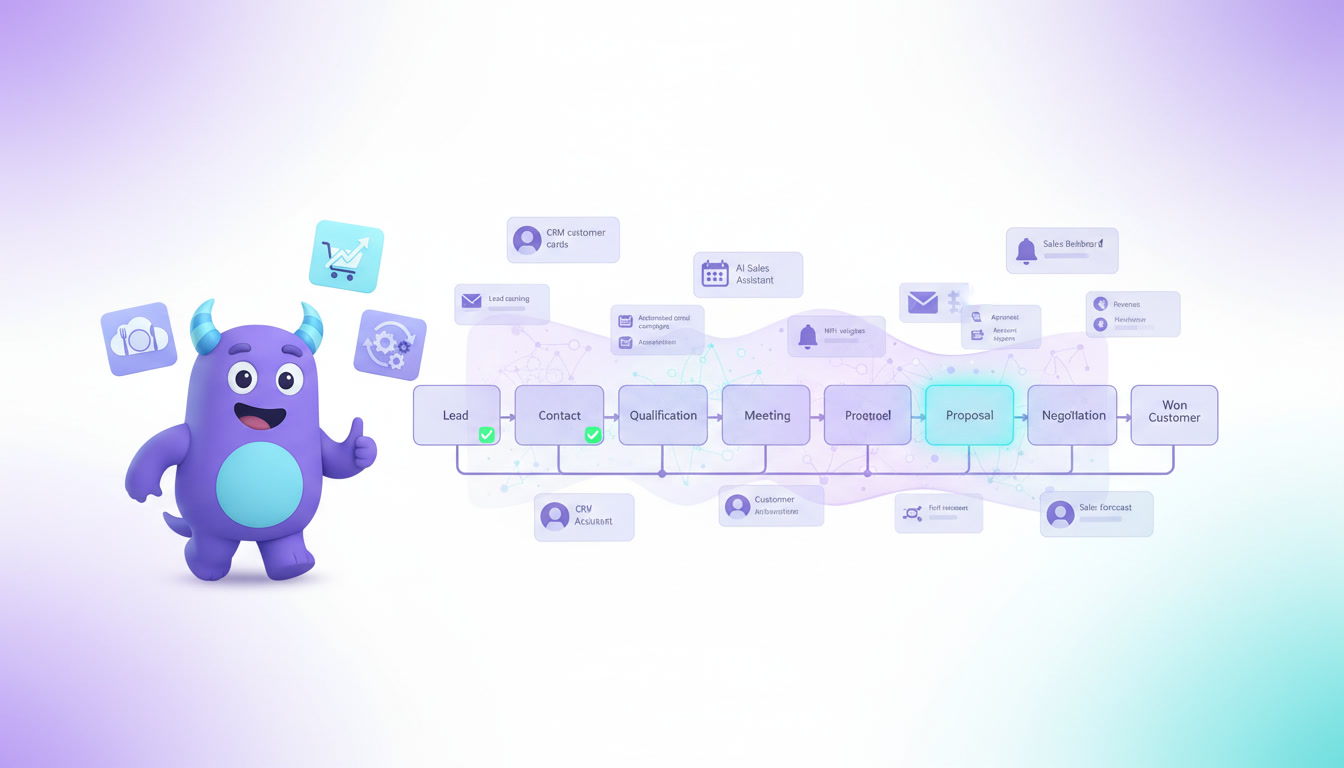
توفر أنظمة CRM نظامًا أساسيًا مركزيًا لإدارة العملاء المحتملين.
إنها تسمح للشركات بتتبع التفاعلات وإدارة خطوط الأنابيب وأتمتة سير العمل.
باستخدام أدوات مثل Lua CRM، يمكن للشركات إنشاء أنظمة إدارة عملاء محتملين منظمة تعمل على تحسين الكفاءة وزيادة التحويلات.
يضمن ذلك التعامل مع كل عميل محتمل بشكل صحيح من البداية إلى النهاية.
استراتيجيات متقدمة لإدارة العملاء المحتملين
لتحسين الأداء، يمكن للشركات:
- أتمتة سير العمل
- تحسين التقسيم
- تحسين توقيت الاتصال
- الاختبار المستمر وتحسين العمليات
تساعد هذه الاستراتيجيات في تحقيق أقصى قدر من النتائج.
أفكار أخيرة
إدارة العملاء المحتملين هي العمود الفقري لأي عمل تجاري ناجح.
من خلال بناء عملية منظمة واستخدام الأدوات المناسبة، يمكن للشركات تحويل العملاء المحتملين إلى عملاء بكفاءة أكبر.
يكمن المفتاح في الجمع بين الاستراتيجية والاتساق والأتمتة.
عند القيام بذلك بشكل صحيح، تصبح إدارة العملاء المحتملين نظامًا قويًا للنمو والنجاح على المدى الطويل.
.jpg)

.jpg)