.jpg)
عادة ما يتم الاحتفال بالتوسع باعتباره العلامة النهائية للنجاح. المزيد من العملاء، وخطوط خدمة إضافية، وتعيينات جديدة، وأعباء عمل متزايدة، كلها تشير إلى عمل تجاري صحي. ومع ذلك، تكتشف العديد من مؤسسات الخدمات أن النمو التشغيلي يصل أسرع من التحكم المالي. تصبح الفرق أكثر انشغالًا، وتزداد الإيرادات، ولكن الوضوح حول التكاليف والهوامش والتدفق النقدي يضعف بدلاً من التحسن.
يخلق هذا الانفصال توترًا على مستوى القيادة. يصبح التنبؤ غير مريح. الميزانيات تبدو هشة. يتباطأ التخطيط الاستراتيجي لأن المديرين التنفيذيين لم يعودوا واثقين من الأرقام التي توجه القرارات. نادرًا ما تحدث هذه التحديات بسبب ضعف الطلب أو سوء التنفيذ. عادة ما تكون أعراضًا للأنظمة التي فشلت في التطور جنبًا إلى جنب مع العمليات.
كيف يتجاوز النمو الرقابة المالية
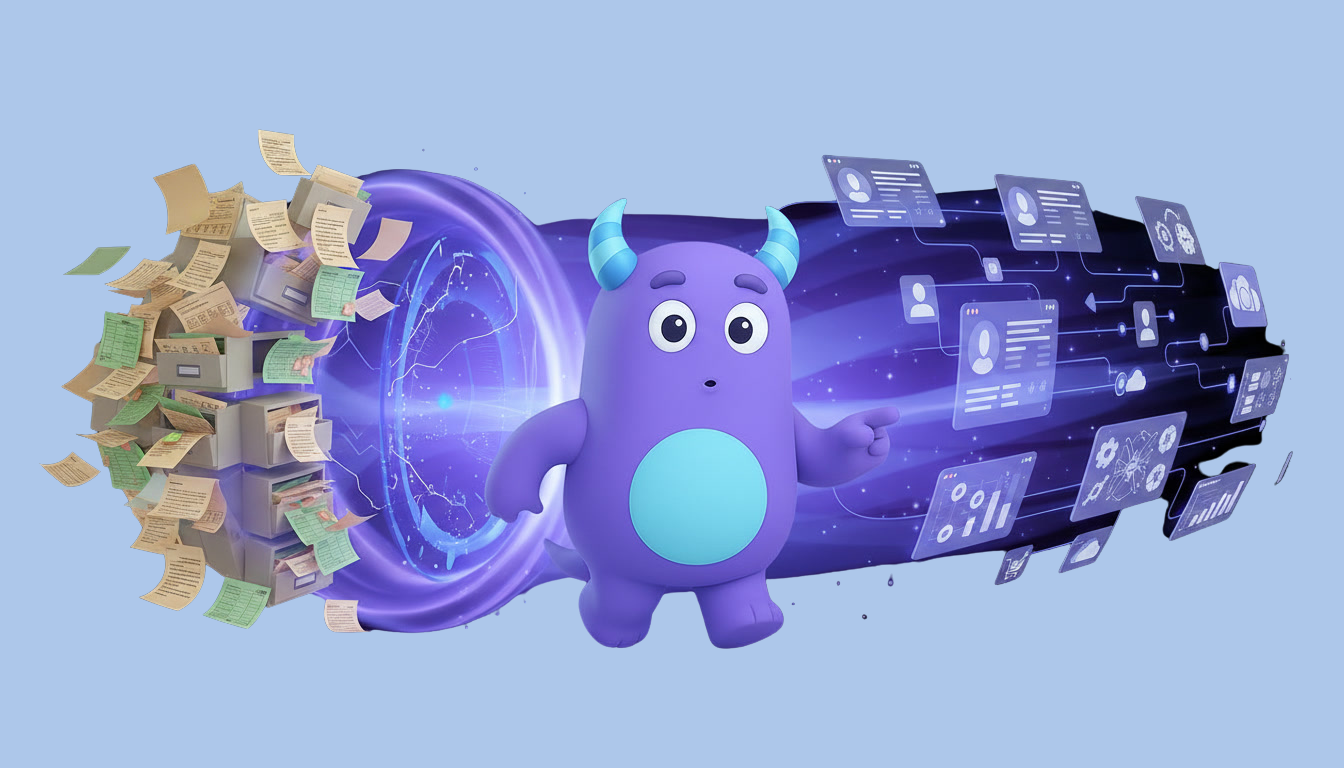
غالبًا ما تدير الشركات في المراحل المبكرة الشؤون المالية باستخدام مجموعة محاسبة صغيرة وجداول بيانات وتقارير يدوية. مع توسع العمليات، يتضاعف التعقيد. تتطلب المشاريع الجديدة نماذج توظيف مختلفة. تزداد المشتريات. تنمو الرواتب بسرعة. تتنوع هياكل الفوترة. عندما يتم تتبع هذه العناصر عبر منصات غير متصلة، يتشتت الوضوح المالي.
تعتمد الفرق المالية على عمليات التصدير والتسويات لفهم الأداء. لا يرى مديرو المشاريع التكاليف في الوقت الفعلي. تغلق فرق المبيعات الصفقات دون رؤية هامش الربح الحالي. تراجع القيادة اللقطات التاريخية بدلاً من المقاييس الحية. يتحرك العمل إلى الأمام، لكن الرقابة المالية تتخلف عن الركب.
المخاطر الصامتة وراء العمليات المزدحمة
عندما يتآكل التحكم المالي، تتراكم المخاطر بهدوء. يتم إرسال الفواتير متأخرة لأن بيانات التسليم تصل ببطء. يتم تفويت العمل القابل للفوترة لأن سجلات الوقت غير كاملة. تصبح تجاوزات التكاليف روتينية وليست استثنائية. تفتقر المشتريات إلى الحواجز الواقية. قد تبدو كل مشكلة بسيطة بمعزل عن غيرها، ولكنها معًا تضغط على الهوامش وتزعزع استقرار التدفق النقدي.
كما تعاني ثقة العملاء أيضًا. تزداد نزاعات الفواتير. تطول دورات الدفع. تواجه فرق الخدمة إحباطًا عندما تقاطع المشاكل المالية الارتباطات الناجحة بخلاف ذلك.
لماذا تعتبر شركات الخدمات معرضة للخطر بشكل خاص
تعمل شركات الخدمات على تنسيق وثيق بين العمالة والجدولة والمواد والتزامات العملاء. تحدد معدلات الاستخدام الربحية. تؤثر تغييرات النطاق على الإيرادات. تزيد التأخيرات من التكاليف. بدون أنظمة تربط هذه العوامل بالتمويل في الوقت الفعلي، يفقد القادة قدرتهم على توجيه العمليات بدقة.
مع نمو عدد الموظفين وتوسع النطاق الجغرافي، تنهار الضوابط غير الرسمية. تتباطأ الموافقات. تضعف مساءلة الميزانية. يعتمد المديرون على الفحوصات اليدوية بدلاً من سير العمل المنظم.
من أدوات المحاسبة إلى أنظمة التمويل التشغيلي
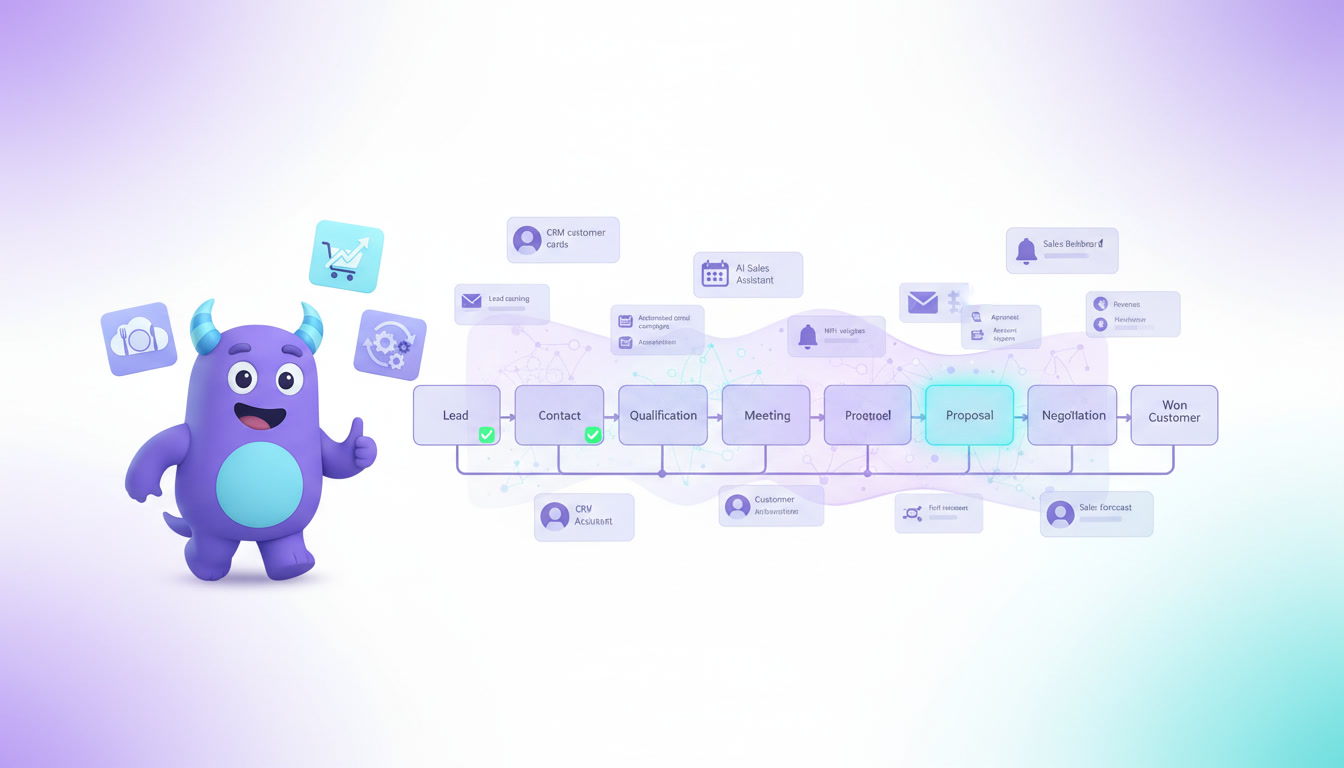
تسجل برامج المحاسبة التقليدية المعاملات بعد وقوعها. يتطلب النمو الحديث شيئًا أكثر استباقية. يعتمد التحكم المالي على ربط البيانات التشغيلية - المشاريع والمهام وتتبع الوقت والمخزون والموافقات - مباشرة بالإيرادات والتكاليف.
توحد المنصات المتكاملة CRM والعمليات والتمويل والجدولة وإعداد التقارير في بيئة مشتركة. مع تقدم العمل، يتم تحديث التكاليف تلقائيًا. يتم تشغيل الفواتير من المعالم الرئيسية. تعكس لوحات المعلومات الأداء الحالي بدلاً من أرقام الشهر الماضي.
يسمح هذا التحول للقادة بتصحيح المسار مبكرًا. يتم وضع علامة على المشاريع ذات الأداء الضعيف. يتماشى التوظيف مع حجم العمل. يتم تعديل نماذج التسعير بناءً على تكاليف التسليم الحقيقية.
نقطة قرار القيادة
يدرك معظم المديرين التنفيذيين هذه المرحلة عندما يصبح التنبؤ مرهقًا، وتستغرق تقارير مجلس الإدارة وقتًا أطول مما ينبغي، وتظهر النفقات المفاجئة في كثير من الأحيان. هذه علامات على أن النمو قد تجاوز البنية التحتية المالية للشركة.
تعمل المؤسسات التي تستثمر مبكرًا في الأنظمة المتكاملة على تثبيت الهوامش وتقصير دورات الإغلاق واستعادة الثقة في التخطيط. غالبًا ما تواجه تلك التي تتأخر قيودًا نقدية مفاجئة أو صدمات في الربحية تجبر على إجراء تحولات متسرعة.
الخلاصة
يعد النمو التشغيلي بدون تحكم مالي أحد أخطر المراحل بالنسبة لشركة خدمات متنامية. يزداد النشاط، لكن الرؤية تتضاءل. ترتفع الإيرادات، لكن الثقة تتآكل.
من خلال ربط التمويل بالعمليات اليومية من خلال أنظمة موحدة، تحول الشركات النمو إلى استراتيجية خاضعة للرقابة ويمكن التنبؤ بها بدلاً من المقامرة. يصبح الوضوح المالي هو الأساس الذي يدعم التوسع طويل الأجل.
.jpg)

.jpg)