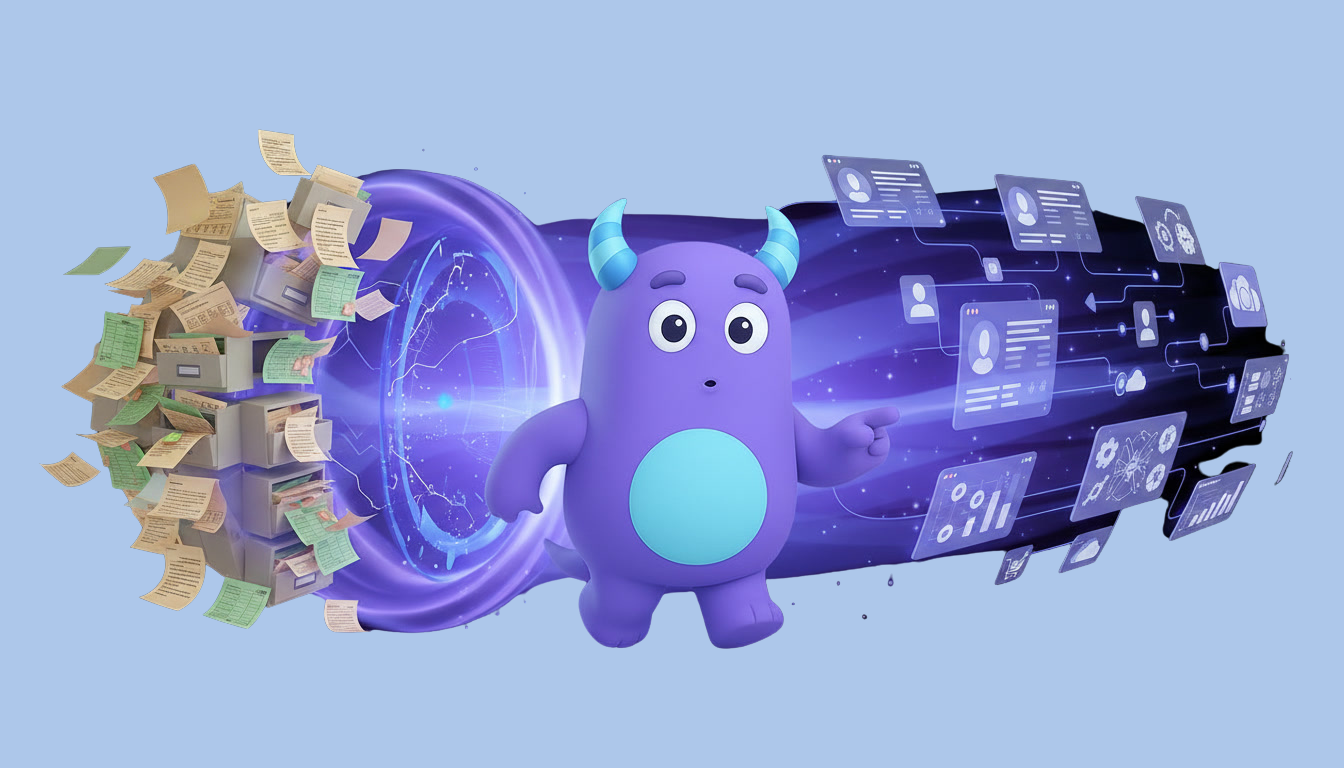
Service businesses are increasingly shaped by complexity. More clients, more coordination, and higher expectations place pressure on teams that rely on manual execution. Automation has helped reduce repetitive effort, but it has limits when systems remain rule-based and reactive.
Artificial intelligence extends automation by adding context, prediction, and decision support. Together, AI and automation create operational systems that are not only efficient, but adaptive. This shift is changing how service organizations plan, execute, and scale their work.
Understanding this change helps service businesses adopt technology with purpose rather than chasing trends.
Automation Handles Repetition, AI Handles Complexity
Traditional automation is designed to execute predefined rules. When a condition is met, an action occurs. This works well for predictable tasks such as reminders, task creation, and status updates.
AI goes further by analyzing patterns, context, and historical data. It supports decision-making rather than simply executing instructions. In service operations, this distinction matters because work is rarely linear.
Together, automation and AI reduce both effort and uncertainty.
AI Improves Operational Visibility
One of the biggest challenges in service businesses is seeing what is actually happening. Data exists, but it is fragmented and delayed. Managers rely on reports that reflect the past.
AI analyzes live operational data to highlight risks, delays, and unusual patterns. Instead of searching for problems, teams are alerted to them early.
Visibility becomes proactive rather than reactive.
Intelligent Workflows Adapt to Real Conditions
Manual workflows assume ideal conditions. AI-enabled workflows adjust based on workload, priority, and progress. Tasks are reordered, resources are balanced, and bottlenecks are identified automatically.
This adaptability is critical for service teams where priorities change daily. AI helps maintain flow without constant human intervention.
The result is smoother execution with less stress.
AI Reduces Decision Fatigue
Service teams make hundreds of small decisions each day. What to work on next, who should handle a task, when to follow up, and how to respond to changes.
AI reduces this cognitive load by recommending actions, surfacing relevant information, and automating routine decisions. People remain in control, but they are supported by data-driven insight.
This leads to more consistent outcomes and better focus.
Automation Without AI Creates New Limits
Automation alone improves efficiency, but it can also create rigidity. Rule-based systems struggle when reality deviates from assumptions.
AI adds flexibility. It learns from outcomes and adapts workflows over time. This makes automation resilient instead of brittle.
For service businesses, this resilience is essential.
Where AI and Automation Deliver the Most Value
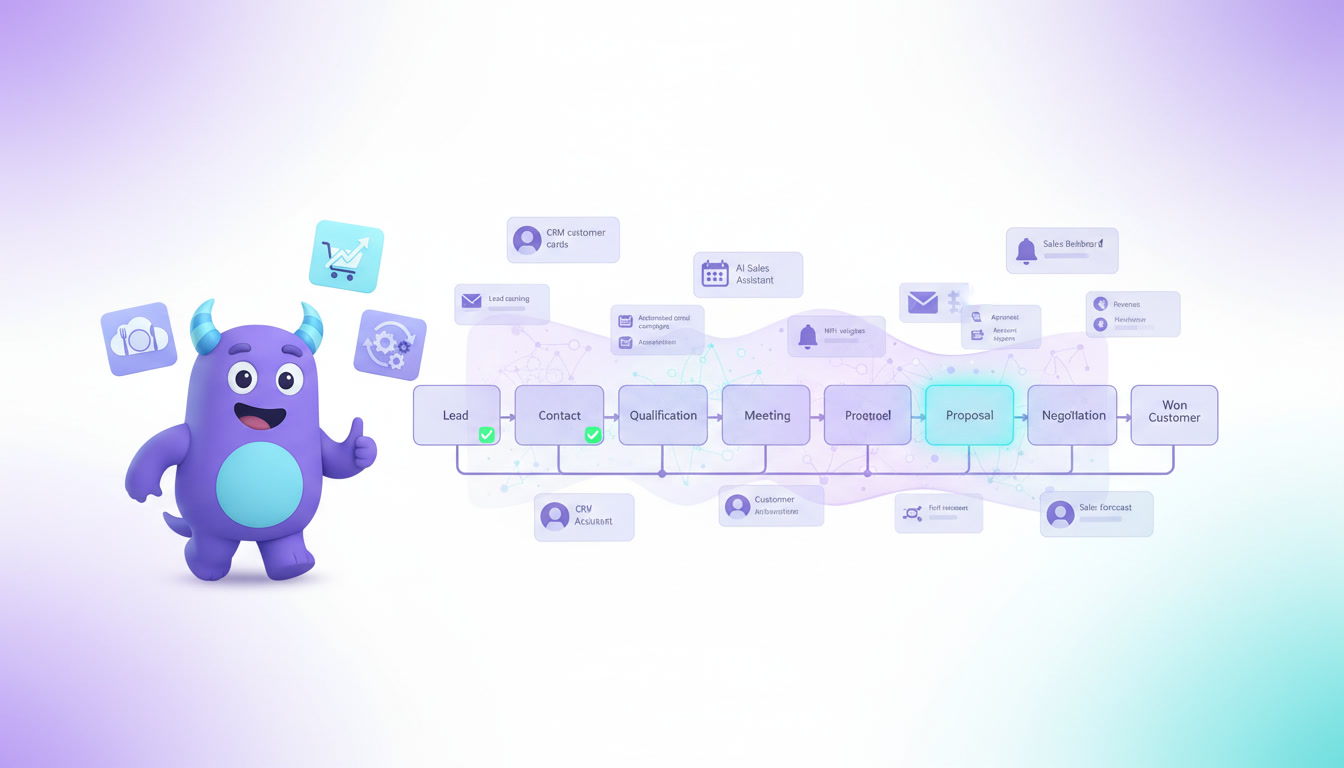
The strongest impact appears in coordination-heavy areas. Task prioritization, workload balancing, client communication, forecasting delays, and identifying risks all benefit from intelligent automation.
AI also improves knowledge access by surfacing relevant information at the right moment, reducing search and interruption.
These capabilities turn systems into active participants in operations.
Conclusion
AI and automation are reshaping service operations by combining execution with intelligence. Automation removes repetitive effort, while AI adds adaptability, insight, and support.
Service businesses that adopt both thoughtfully gain more than efficiency. They gain control, predictability, and the ability to scale without losing quality. AI-powered automation is not about replacing people, but about enabling better decisions and stronger execution.
.jpg)

.jpg)