Many businesses start with people. A founder, a small team, and a shared vision are often enough to launch a company. In the early stages, success depends heavily on individual effort. Everyone is involved in everything, and decisions are made quickly.
But as the business begins to grow, something changes. The same approach that worked in the beginning starts to break. Tasks become harder to manage, communication becomes more complex, and mistakes begin to appear more frequently.
This is the point where many businesses struggle. Not because they lack talented people, but because they lack systems.
People Build the Start. Systems Build the Scale
In small teams, people can manage tasks manually. Founders track leads in their heads, follow up with clients personally, and oversee every part of the business.
However, this approach does not scale. As the number of clients, employees, and processes increases, relying on memory and manual work becomes impossible.
Successful businesses understand that while people are important, systems are what allow them to grow sustainably.
A system is a structured way of doing things. It ensures that tasks are completed consistently, regardless of who performs them.
What Happens When There Are No Systems
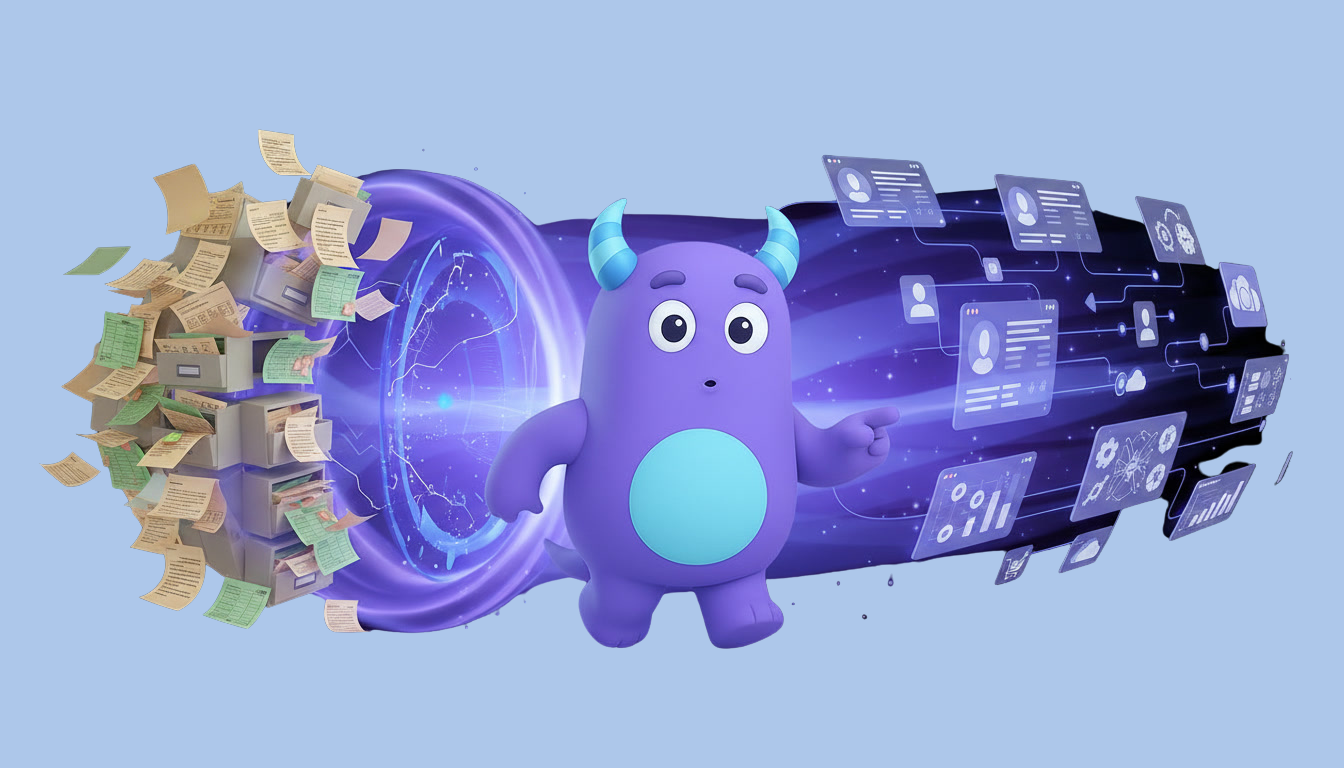
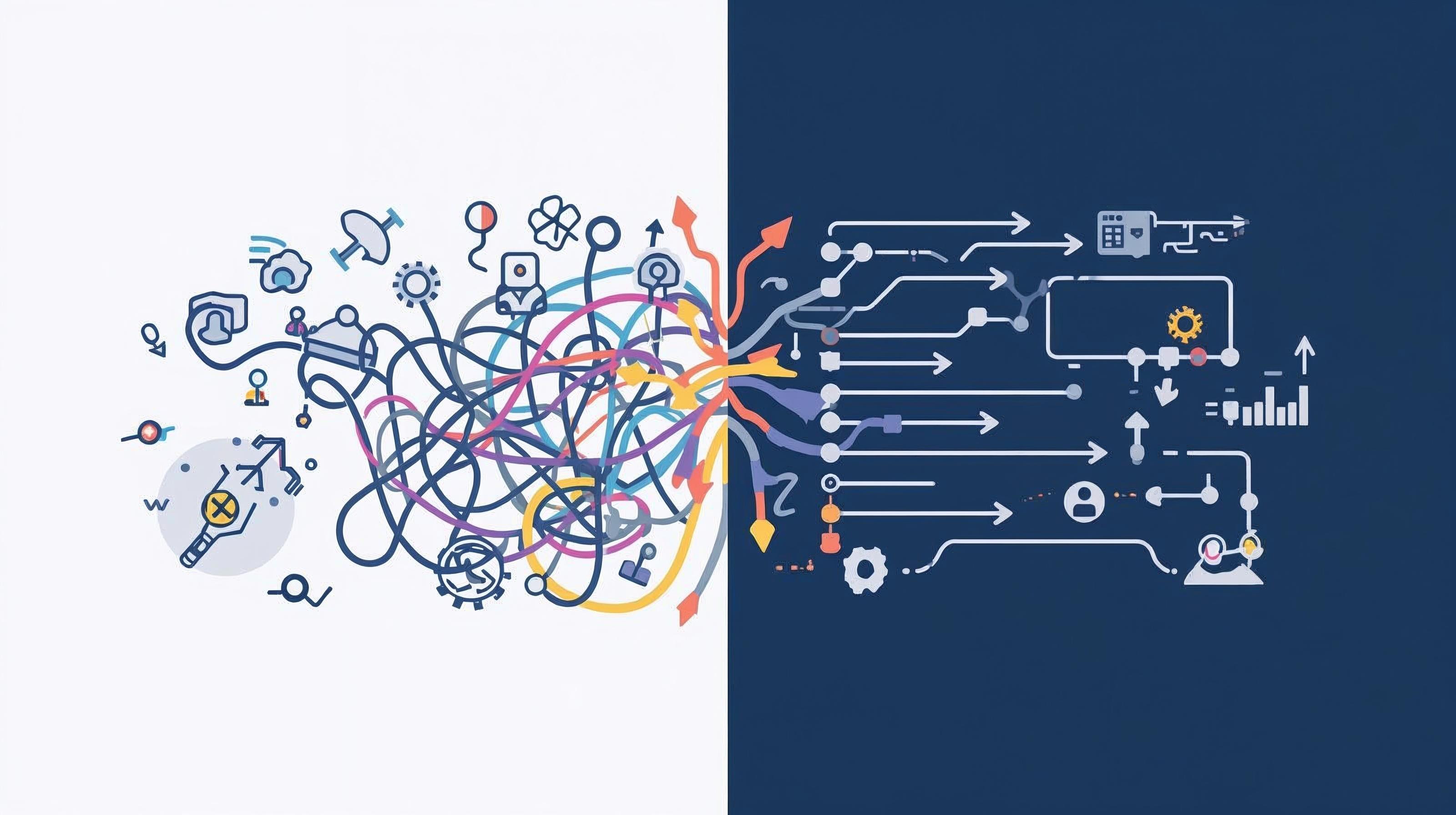
Without systems, businesses often experience chaos as they grow. Leads get lost, follow-ups are delayed, and tasks are forgotten.
Different employees may handle the same task in different ways, leading to inconsistency and confusion. Communication breaks down, and managers lose visibility into what is actually happening within the company.
Over time, this lack of structure leads to missed opportunities, reduced productivity, and poor customer experience.
Why Systems Create Stability
Systems bring order to business operations. They define how tasks should be performed, who is responsible, and what steps need to be followed.
With clear systems in place, businesses can operate more efficiently. Employees know what to do, processes become predictable, and managers can track performance more easily.
This stability is essential for growth. Without it, scaling a business becomes chaotic and difficult to manage.
Systems Enable Automation
One of the biggest advantages of having systems is the ability to automate processes. Once a workflow is clearly defined, it can be translated into automation rules.
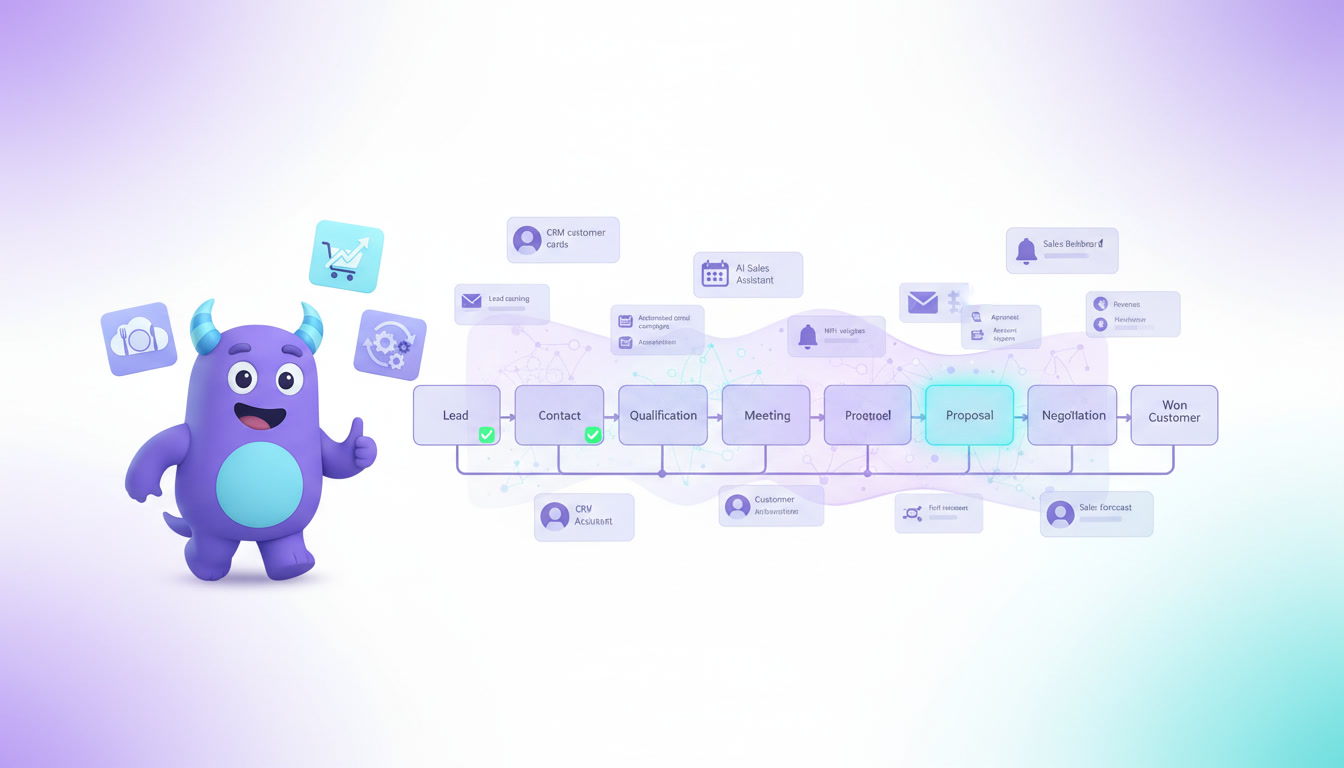
For example, when a new lead enters the system, it can be automatically assigned to a team member, followed by a series of scheduled actions such as follow-ups or notifications.
Automation reduces manual work and ensures that tasks are completed consistently.
Systems Improve Team Performance
When processes are standardized, employees can focus on execution rather than figuring out what to do next.
This improves productivity and reduces stress. Teams work more efficiently because they follow clear processes instead of improvising every step.
It also improves accountability. With systems in place, it is easier to track who is responsible for each task and measure performance.
Systems Are the Foundation of Scalable Businesses
Scalability is not just about increasing revenue. It is about being able to handle growth without losing control.
Businesses that rely only on people often reach a limit. As workload increases, they struggle to maintain quality and efficiency.
In contrast, businesses built on strong systems can grow more smoothly. They can handle more customers, more transactions, and more complexity without breaking.
The Role of CRM Systems in Building Business Systems
CRM systems are one of the most important tools for building structured business processes. They help companies manage customer relationships, track sales pipelines, and organize internal workflows.
Instead of relying on individual employees to remember tasks or manage data manually, a CRM system provides a centralized platform where all information is stored and accessible.
This creates consistency and ensures that processes are followed correctly.
How Lua CRM Helps Businesses Build Systems
Lua CRM is designed to help businesses move from chaos to structure. The platform allows companies to create workflows, automate tasks, and manage customer relationships in a centralized system.
With Lua CRM, businesses can define processes that guide how work is done. Leads can be tracked, tasks can be assigned automatically, and teams can collaborate more effectively.
By implementing systems through CRM, businesses can reduce manual work, improve efficiency, and prepare for growth.
Conclusion
People are essential to every business. They bring ideas, creativity, and energy. However, relying only on people is not enough for long-term success.
Systems provide the structure that allows businesses to scale. They ensure consistency, improve efficiency, and create a foundation for growth.
Businesses that invest in systems early are better positioned to handle growth without losing control.
In the end, successful businesses are not built only by people — they are built by systems that allow people to perform at their best.
.jpg)

.jpg)