The Systems Problem Behind Unpredictable Profitability
Many growing service businesses experience confusing financial patterns. One quarter looks strong, the next feels disappointing, even though sales pipelines remain healthy and teams stay busy. Leaders struggle to explain the swings. Pricing has not changed dramatically. Demand is steady. Yet margins fluctuate without a clear cause.
In most cases, the root problem is not market conditions or poor execution. It is the systems running behind the scenes. When operations, finance, sales, scheduling, and delivery rely on disconnected platforms, profitability becomes difficult to measure and even harder to control.
Why Healthy Revenue Does Not Guarantee Stable Margins
Revenue growth often masks structural weaknesses. New deals arrive faster than reporting systems can keep up. Teams take on additional work without precise cost tracking. Discounts are applied inconsistently. Overtime rises quietly. Procurement expenses increase but remain loosely tied to projects.
Without integrated data, finance teams must piece together performance after the fact. Managers review historical numbers rather than real-time signals. By the time margin erosion becomes visible, opportunities to correct course have already passed.
How Disconnected Systems Distort Financial Reality
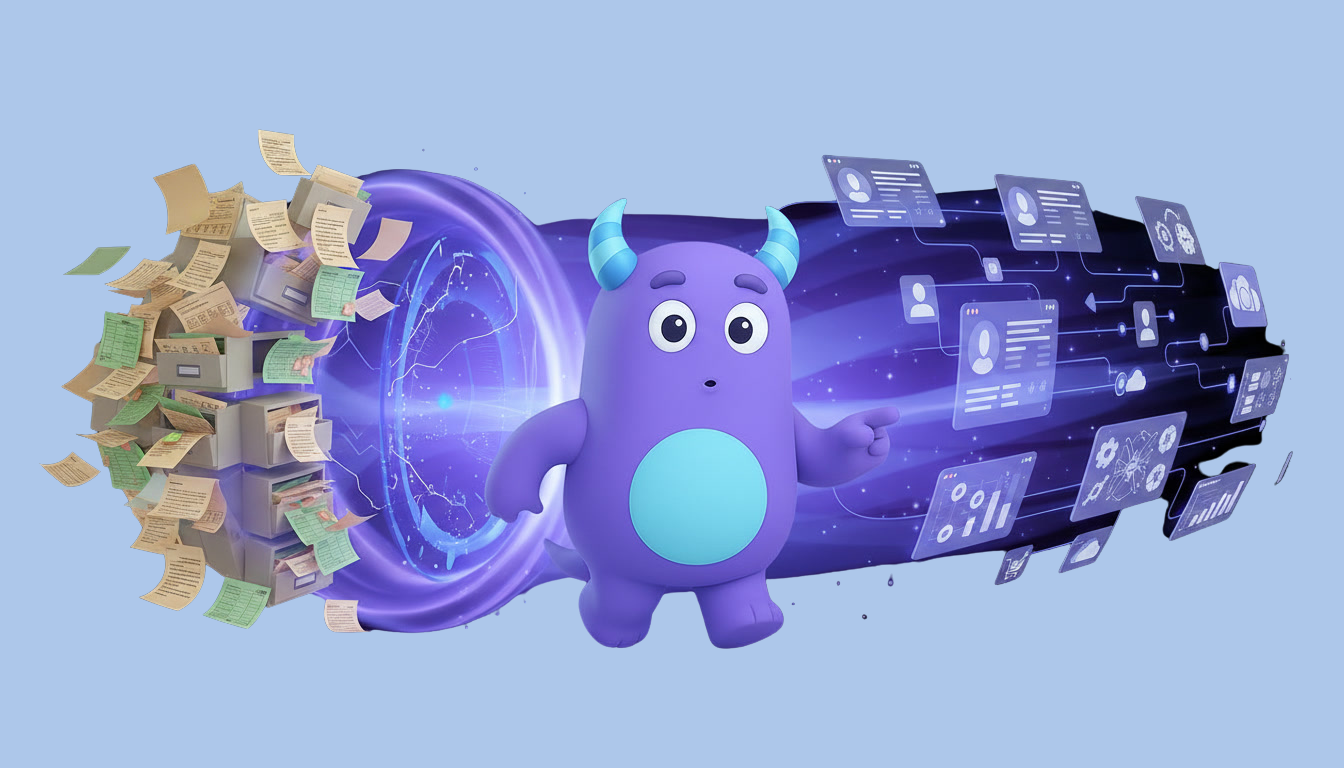
When CRM platforms, project tools, time tracking software, procurement systems, and accounting applications operate separately, no single view of profitability exists. Data moves manually between departments through spreadsheets, exports, and emails. Each transfer introduces delays and inaccuracies.
Project managers may not see actual labor costs until weeks later. Finance lacks visibility into delivery scope changes. Sales closes deals without updated cost assumptions. Leadership relies on summaries rather than granular insight.
These gaps create blind spots where inefficiencies accumulate unnoticed. Small overruns become standard practice. Underperforming services persist. Pricing models remain outdated. Over time, unpredictability replaces control.
Why Service Businesses Feel the Impact First
Service organizations depend on tight coordination between people, time, materials, and customer commitments. Labor utilization drives margins. Scheduling affects delivery costs. Scope changes influence billing. When these elements are tracked in separate systems, accurate profitability becomes almost impossible to calculate.
Without connected workflows, leaders cannot easily answer fundamental questions about which projects are truly profitable, which clients drain resources, or where processes break down.
The Operational Signals Leaders Should Not Ignore
Unpredictable profitability rarely appears suddenly. Warning signs accumulate gradually. Monthly closes take longer. Forecasts feel unreliable. Finance teams spend most of their time reconciling numbers instead of analyzing them. Operations reviews uncover surprises. Customer disputes over invoices increase.
Managers rely more on intuition than data. Expansion plans slow because leadership lacks confidence in projections. These patterns indicate that systems have fallen behind the business.
Moving From Accounting Tools to Operational Systems
Traditional accounting platforms record transactions, but they do not explain how work was performed or why costs changed. To control margins, businesses must link revenue directly to operations: projects, tasks, time logs, inventory usage, approvals, and customer contracts.
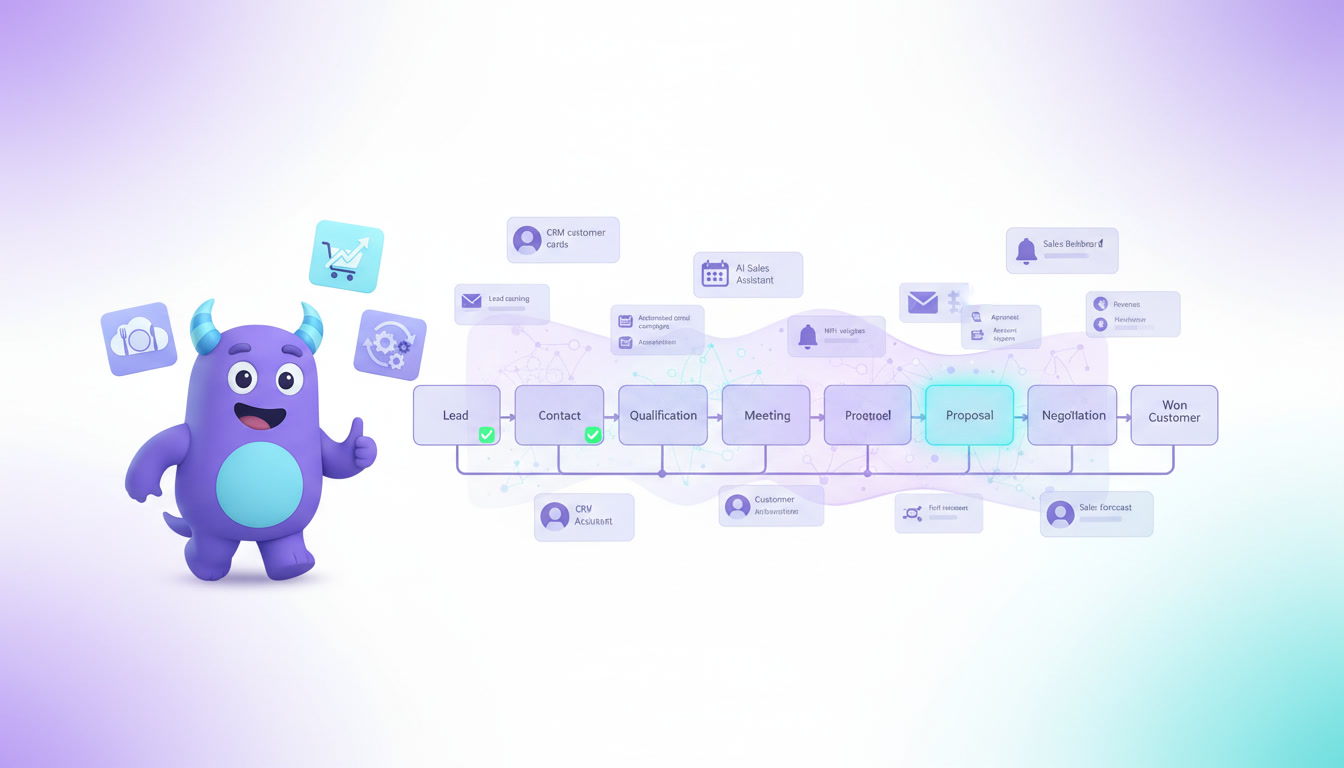
Integrated platforms unify CRM, delivery workflows, scheduling, procurement, finance, and reporting into a shared environment. As work progresses, costs update automatically. Invoices trigger from completed milestones. Dashboards show real-time margin performance rather than historical snapshots.
This shift gives leaders the ability to intervene early. Underperforming projects can be corrected before losses grow. Staffing decisions align with workload. Pricing models adjust based on real data.
The Strategic Advantage of Predictable Profitability
When systems provide clarity, profitability becomes stable rather than volatile. Forecasts improve. Investment decisions become easier. Expansion into new services or regions feels calculated instead of risky.
Teams operate with shared understanding. Finance and operations collaborate rather than reconcile. Growth becomes disciplined instead of chaotic.
Conclusion
Unpredictable profitability is rarely caused by a lack of demand or effort. It is usually the result of fragmented systems that prevent organizations from seeing how revenue turns into cost and profit.
By building an integrated operational backbone that connects finance with daily work, service businesses regain control over margins and replace uncertainty with confidence.
.jpg)

.jpg)