Missed tasks are one of the most common and damaging problems in service businesses. A follow-up is forgotten, an internal step is skipped, or a client request is handled too late. On their own, these issues may seem small. Over time, however, they create delays, frustration, lost revenue, and a noticeable decline in service quality.
Most teams assume missed tasks are caused by people being careless, distracted, or overloaded. In reality, the problem is rarely individual performance. Tasks fall through the cracks because the way work is organized does not support reliable execution. When task management depends on memory, informal communication, or scattered tools, even the most disciplined teams struggle to stay consistent.
Understanding why tasks get lost is the first step toward fixing the issue permanently.
Why Tasks Are Commonly Missed in Service Teams
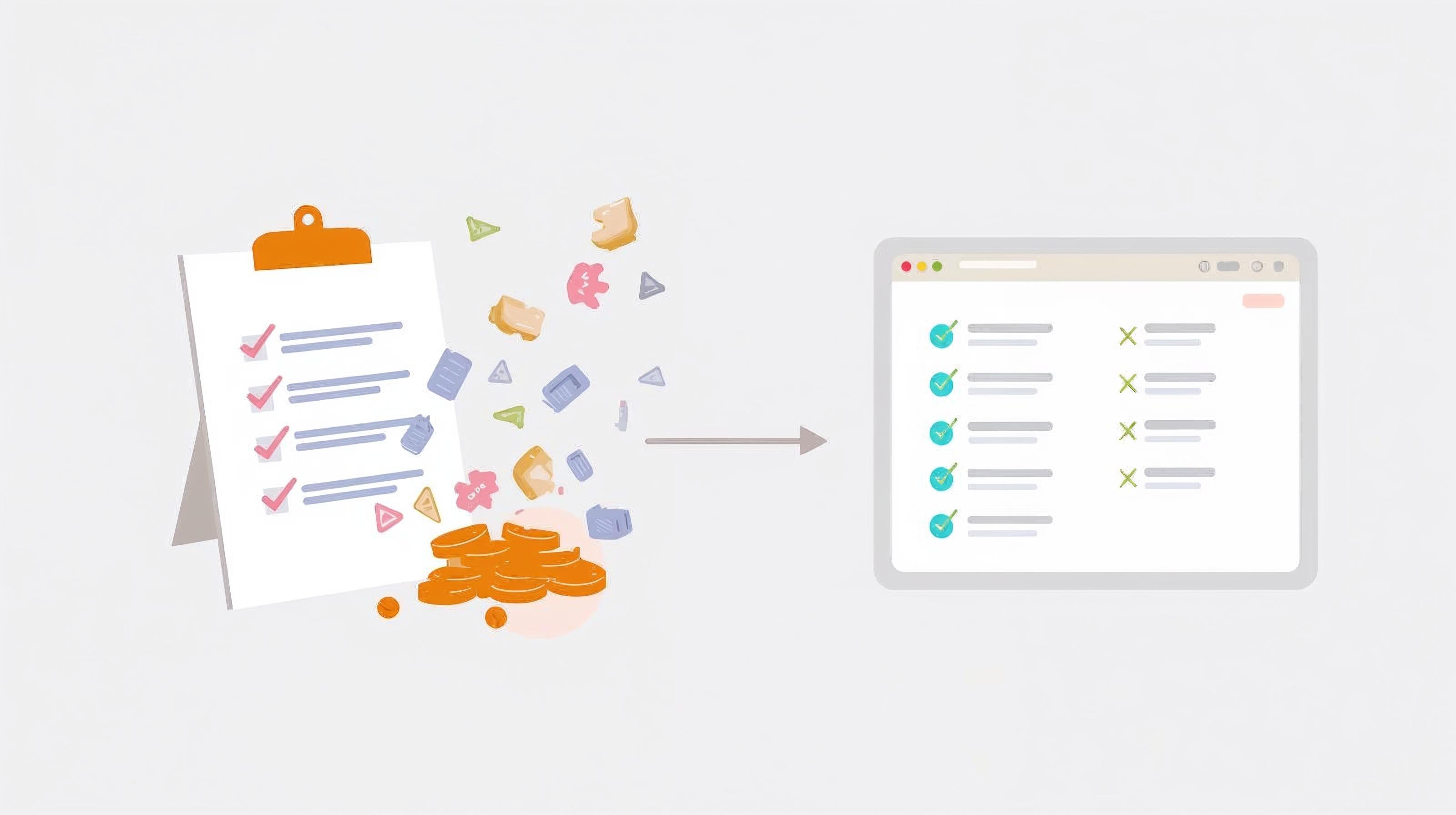
In many service organizations, tasks live in too many places at once. Some are mentioned in emails, others appear in chat conversations, meeting notes, spreadsheets, or personal to-do lists. Because there is no single source of truth, tasks compete for attention and are easy to overlook, especially when priorities shift or workloads increase.
Another major issue is unclear responsibility. When a task is shared by several people or loosely assigned to a team, no one feels fully accountable. Each person assumes someone else will handle it. This lack of ownership causes hesitation, delays, and eventually inaction.
Tasks are also often defined too vaguely. Instructions like “follow up with client” or “prepare documents” leave room for interpretation. Without a clear outcome or deadline, these tasks lose urgency and are pushed aside by more concrete requests. Over time, vague tasks accumulate and become background noise rather than actionable work.
Many teams still rely on memory for follow-ups. A person plans to remember a call, a message, or a check later in the day. As pressure increases and interruptions multiply, memory-based systems inevitably fail. Important actions are forgotten not because people do not care, but because human attention is limited.
Finally, limited visibility plays a critical role. When managers and team members cannot easily see what is pending, overdue, or blocked, problems remain hidden. By the time someone notices, the delay has already affected the client or the project.
Why Task Problems Get Worse as Teams Grow
In small teams, informal task handling can appear to work. People sit close to each other, talk constantly, and remind one another. Mistakes are corrected quickly, and missing tasks are noticed early. As the business grows, this informal coordination breaks down.
More clients, more projects, and more handoffs increase complexity. Communication spreads across departments, and people no longer have full visibility into what others are doing. Without a structured task system, the number of missed or delayed actions rises, even if everyone is working harder than before.
Growth exposes weaknesses in task management that were previously hidden. To scale successfully, service businesses must replace informal habits with clear systems.
How to Fix Task Management in Service Teams
Fixing task-related problems does not require micromanagement or constant supervision. It requires clarity, structure, and smart use of automation.
The first step is centralization. All tasks should exist in one system that everyone uses daily. This system should be directly connected to clients, projects, or service cases so that tasks are never isolated from context. When tasks are centralized, nothing is lost between tools or conversations.
Every task must have a single, clear owner. Collaboration is still possible, but accountability should never be shared. One person is responsible for moving the task forward or escalating it if something blocks progress. Clear ownership eliminates hesitation and speeds up execution.
Tasks should always be defined with a clear outcome. Instead of general descriptions, tasks should specify exactly what needs to be done and when it is considered complete. Clear tasks reduce misunderstandings and make progress measurable.
Deadlines and priorities should be applied consistently. Even flexible work benefits from a target date. Deadlines help teams focus and prevent tasks from disappearing into the background. Priorities ensure that high-impact work is handled before less important activities.
Where tasks follow predictable patterns, automation should be used. For example, after a proposal is sent, a follow-up task should be created automatically. When a project reaches a certain stage, the next required tasks should appear without manual input. Automation ensures that critical steps are never skipped and reduces reliance on memory.
Linking tasks directly to projects and clients adds important context. When team members understand why a task exists and how it affects the client, execution quality improves. Context reduces errors and speeds up decision-making.
Building a Culture of Reliable Execution
Even the best task system requires supportive habits. Regular task reviews help teams stay aligned and identify blockers early. These reviews are not about control, but about coordination and continuous improvement.
Teams should also focus on closing tasks, not just creating them. A growing list of open tasks reduces trust in the system. Encouraging completion and cleanup keeps task lists meaningful and manageable.
Task data should be used to improve processes rather than assign blame. Repeated delays often point to workflow issues that can be fixed through better planning or automation. When teams see tasks as feedback instead of pressure, adoption improves.
Conclusion
Tasks fall through the cracks not because teams are careless, but because their systems are not designed for scale. As service businesses grow, informal task handling becomes unreliable and costly.
By centralizing tasks, assigning clear ownership, defining concrete outcomes, and automating repeatable steps, service teams can dramatically reduce missed work. The result is smoother delivery, less stress, higher productivity, and a more consistent experience for clients.