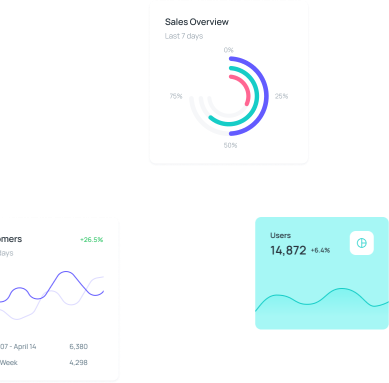
When Revenue Grows Faster Than Financial Visibility
Rising revenue is usually celebrated as the clearest sign of success. More customers, larger contracts, and expanding service lines all suggest that a company is moving in the right direction. Yet for many growing service businesses, revenue growth arrives faster than financial clarity. Leaders feel busier than ever, invoices increase, payroll expands, and operating costs rise, but confidence in the numbers begins to weaken instead of strengthen.
Financial dashboards no longer tell the full story. Forecasts become harder to trust. Monthly closes stretch longer. Profitability by project or client feels uncertain. These symptoms are not random accounting challenges. They are structural signals that financial systems and processes have failed to scale alongside operations.
The Illusion of Healthy Growth
In early stages, founders can often track finances through spreadsheets, accounting software, and manual reporting. As deal volume grows and operations diversify, this approach becomes fragile. Revenue flows in through one system, delivery costs through another, payroll through a third, and procurement through spreadsheets. Reconciling everything depends heavily on finance teams exporting data and stitching reports together.
From the outside, the business looks healthy. Sales pipelines are full. New clients keep signing. But internally, leadership struggles to answer basic questions: which services are most profitable, which clients consume the most resources, where margins are shrinking, and how much cash is truly available for reinvestment.
Why Financial Visibility Breaks During Expansion
Growth introduces complexity faster than most organizations anticipate. New service offerings come with different cost structures. Hiring accelerates. Teams become distributed. Billing models diversify. Discounts and custom contracts increase. Without tightly connected systems, financial data becomes fragmented.
Finance departments spend more time cleaning data than analyzing it. Project managers lack real-time cost visibility. Sales teams close deals without full insight into delivery capacity. Leaders operate on lagging indicators instead of live metrics.
Delayed invoicing becomes common when delivery data arrives late. Billable work is missed because time tracking is incomplete. Expenses are recorded after the fact. These gaps quietly distort profitability and cash flow, making growth riskier than it appears.
The Hidden Cost of Poor Financial Insight
When financial visibility deteriorates, decision-making slows. Hiring plans are postponed. Marketing investments feel risky. Expansion into new markets is delayed because leadership cannot confidently model outcomes. Instead of fueling growth, revenue creates anxiety.
Margins often shrink without immediate detection. Rising costs hide inside projects. Inefficient workflows go unnoticed. Underperforming services remain active because reporting lacks detail. Over time, companies realize that they have been scaling volume without scaling profit.
Customer relationships suffer as well. Billing errors increase. Payment disputes become more frequent. Finance teams chase overdue invoices while service teams move on to new work. These frictions weaken trust even when service quality remains high.
Why Service Businesses Are Especially Exposed
Service companies depend heavily on coordination between sales, delivery, scheduling, and finance. Labor utilization, project timing, and material costs all directly affect profitability. When these functions operate in separate systems, financial performance becomes difficult to measure accurately.
Without integrated data, it is nearly impossible to calculate real margins by project, forecast staffing needs, or evaluate which types of engagements deserve further investment. Leaders operate reactively instead of strategically.
From Accounting Tools to Financial Systems
Traditional accounting software records transactions, but modern growth requires something more connected. Financial visibility depends on linking revenue to operational reality: projects, tasks, time logs, inventory usage, approvals, and customer contracts.
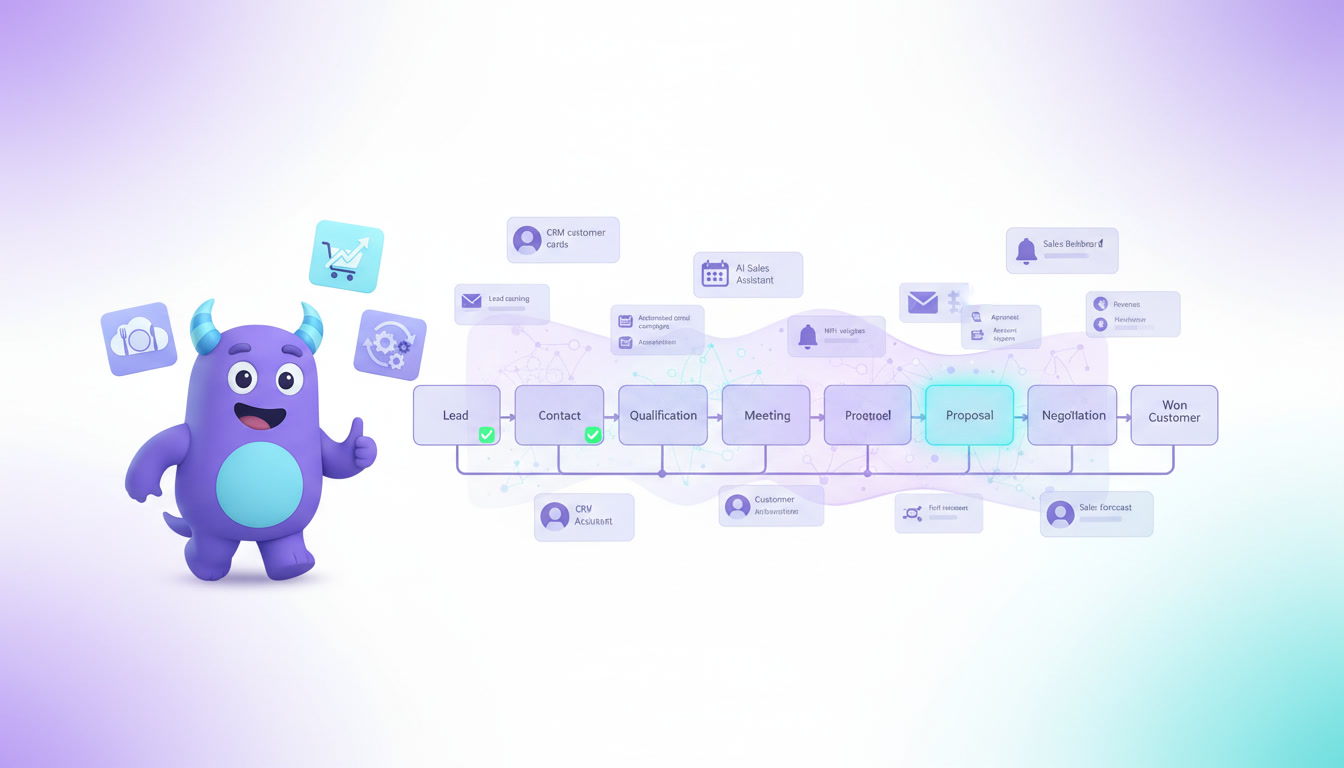
Integrated platforms connect CRM, delivery workflows, scheduling, procurement, and finance into a single operational backbone. When work is completed, invoices are triggered automatically. Costs flow into projects in real time. Dashboards reflect true performance rather than historical snapshots.
This shift does not introduce bureaucracy. It removes manual reconciliation. Finance teams focus on analysis rather than cleanup. Leaders gain confidence to invest, hire, and expand because numbers are trustworthy.
The Leadership Inflection Point
Most executives sense this problem long before spreadsheets reveal it. Forecast meetings feel uncomfortable. Board presentations require excessive preparation. Unexpected cash gaps appear. Profit reports raise more questions than answers.
These moments mark a strategic crossroads. Organizations can continue operating with fragmented systems and growing risk, or they can redesign financial operations around integrated processes that support scale.
Companies that act early stabilize margins, shorten closing cycles, and regain control over forecasting. Those that delay often confront sudden crises that force rushed system changes under pressure.
Conclusion
Revenue growth is exciting, but it becomes dangerous when it outpaces financial visibility. Without clear insight into costs, margins, and cash flow, businesses lose their ability to steer confidently.
By connecting finance with operations through unified systems, service companies transform growth from a gamble into a strategy. Financial clarity becomes a competitive advantage rather than a constant concern.
.jpg)

.jpg)