
A customer referral program rewards your existing customers for recommending your business to friends, family or colleagues, turning word of mouth into a steady, trackable source of new clients. Instead of hoping happy customers mention you, a referral program gives them a simple way to share, a clear reward for both sides and a system that records who referred whom. This guide is for owners and marketers of service businesses, shops, clinics, studios and B2B companies who want to design a referral program, choose the right rewards and run it from their CRM without extra spreadsheets.
Key takeaways
- A customer referral program gives existing customers a reason and an easy way to recommend you, and tracks every referral back to its source.
- Double-sided rewards, where both the referrer and the new customer benefit, usually feel fairer and easier to share.
- Ask for referrals at moments of satisfaction, such as after a successful service, a positive review or a renewal.
- Unique referral codes or links, stored on the customer profile in your CRM, make tracking and reward payout reliable.
- Measure referral conversion and the value of referred customers, not just the number of codes shared.
What is a customer referral program?
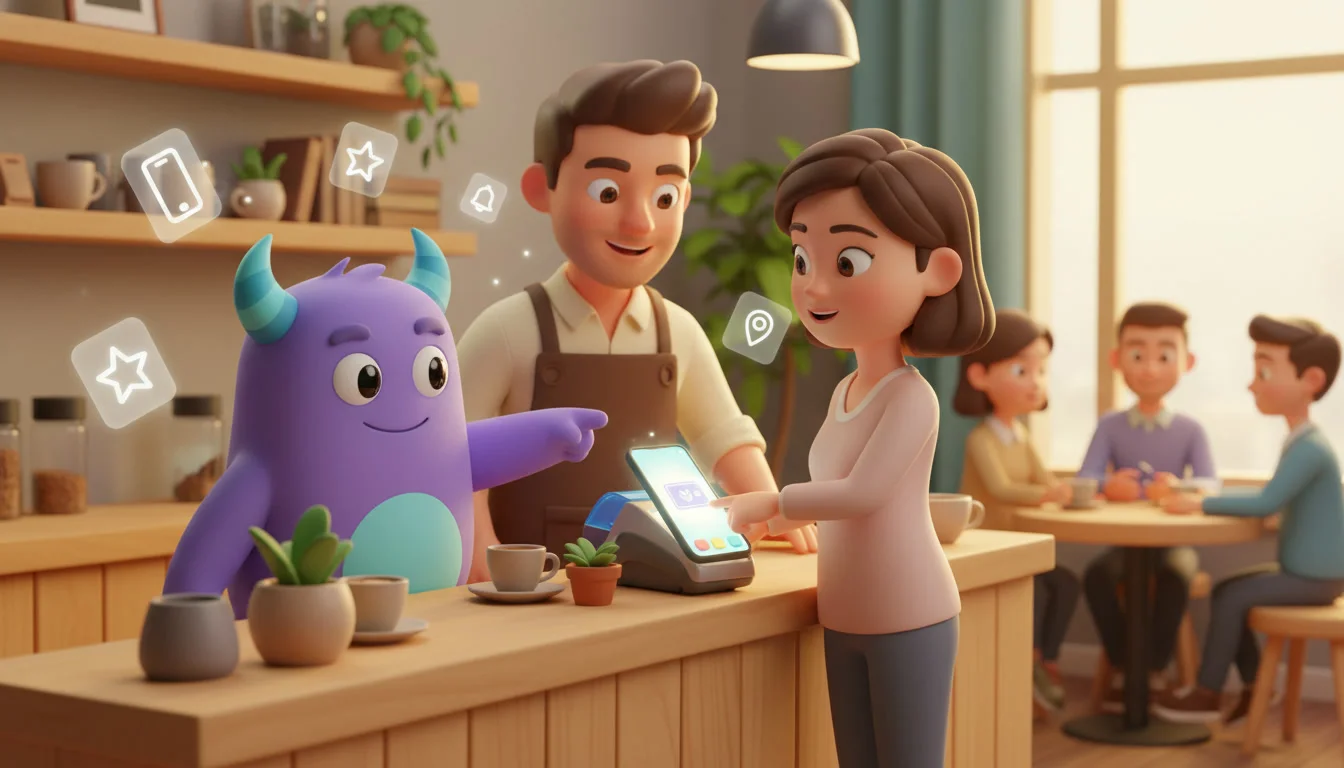
A customer referral program is a structured way to encourage existing customers to bring in new ones, usually in exchange for a reward. Each referrer gets a unique code, link or card. When a new customer uses it and meets a clear condition, such as a first purchase or a first paid visit, the referrer and often the new customer receive a reward.
It differs from a loyalty program. Loyalty rewards customers for their own repeat purchases, while referral rewards them for bringing someone new. The two work well together: many businesses add referral bonuses to an existing loyalty points program so rewards land in one balance.
Why referral programs work
Trust travels with the recommendation
People tend to trust recommendations from someone they know more than an advertisement. A referral arrives with context: the friend already explained what you do and why it was worth it.
Referred customers start warmer
Because they come with a recommendation, referred leads often need less convincing. They know what to expect and are already partly sold on the experience.
The cost is tied to results
With a well-designed program, you pay rewards only when a referral turns into a real customer, which makes the budget easier to control than many paid channels.
It strengthens existing relationships
Being asked to recommend you, and being thanked for it, reminds loyal customers that they are valued. That supports retention as well as acquisition.
Choosing referral rewards
The right reward depends on your margins, purchase frequency and the type of customer you serve. Here are common options and when they fit:
| Reward type | How it works | Works well for |
|---|---|---|
| Double-sided discount | Referrer and new customer each get a discount | Salons, clinics, studios, restaurants, shops |
| Account credit | Referrer earns credit toward the next purchase or invoice | Subscriptions, SaaS, recurring services |
| Bonus loyalty points | Extra points added to the referrer's balance | Businesses that already run a points program |
| Free service or upgrade | A free add-on, session or upgrade after a successful referral | Gyms, spas, repair shops, agencies |
| Tiered rewards | Bigger rewards after several successful referrals | Businesses with strong advocates and high customer value |
| Charity donation | A donation made in the referrer's name | B2B and professional services where cash rewards feel awkward |
Whatever you choose, keep the rule simple enough to explain in one sentence, for example: "Give a friend a discount on their first visit and get a free add-on when they book."
When and how to ask for referrals
Timing matters more than the size of the reward. Ask when customers are most satisfied, not at random. Good moments include right after a successful service or delivery, after a customer leaves a positive review, when they renew or upgrade, after they reach a loyalty milestone, and when they compliment the team in person.
Copyable referral request workflow
- After a positive experience: "Thanks for visiting [Business], [Name]! If you know someone who would enjoy it too, share your code [CODE]. They get [reward], and you get [reward] when they book."
- When a referral is used: "Great news, [Name]: [Friend's first name] just used your code. Your reward will be added after their first [visit/purchase]."
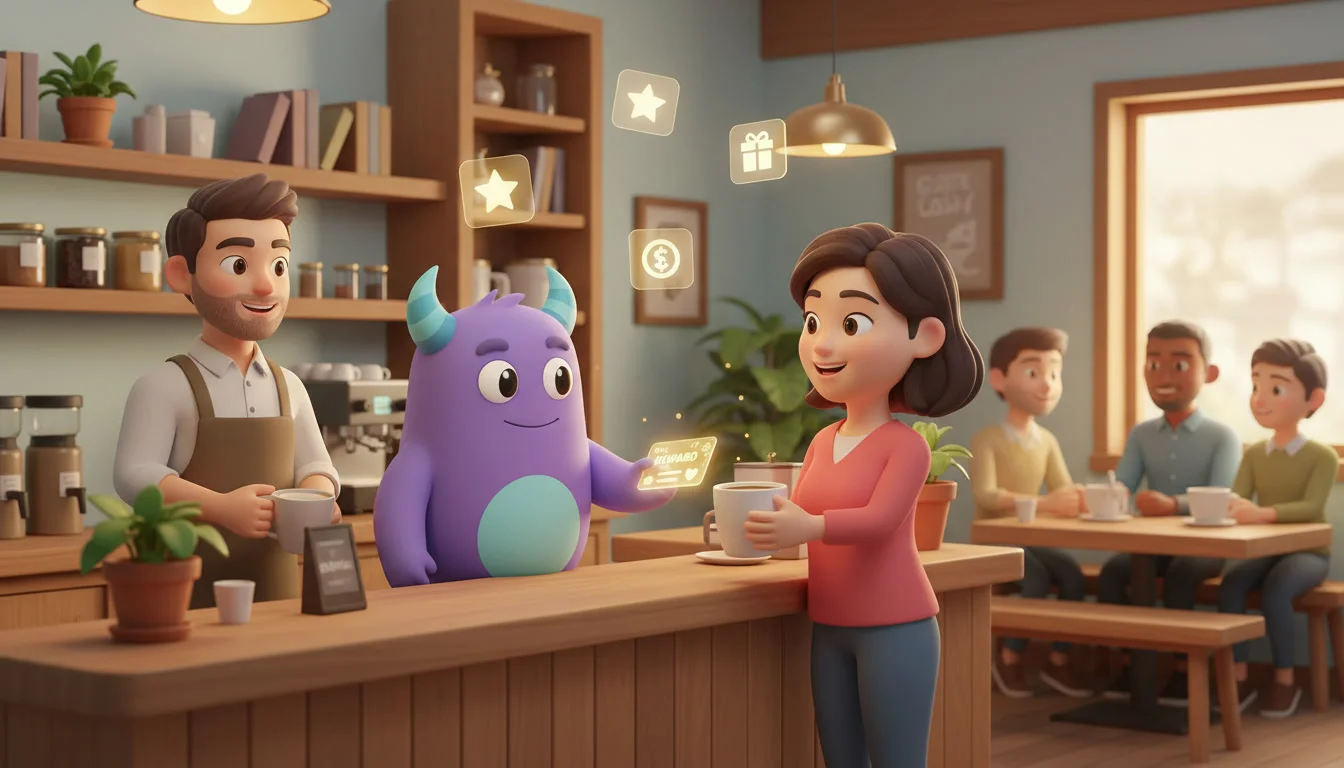
- When the reward is earned: "Your reward is ready! [Reward] has been added to your account. Thank you for recommending us."
- Gentle reminder a few months later: "Your referral code [CODE] is still active. Every friend who joins gets [reward]."
Tracking referrals in your CRM
A referral program only works if tracking is reliable. Customers lose trust quickly if a friend joined and the reward never arrived. Store each customer's unique code or link on their profile, record the referrer on every new customer created through a code, and use a simple pipeline: code shared, referral used, condition met, reward issued.
Automations can do most of the work: create the code when a customer joins, notify the referrer when a code is used, issue the reward when the first purchase is recorded and remind staff to thank top advocates. For ideas on what else you can automate, see this guide to CRM automation.
Preventing abuse without hurting real customers
Most referrers are honest, but clear rules protect the program. Issue rewards only after a real qualifying action, such as a first paid purchase, not just a sign-up. Prevent customers from referring themselves by checking for duplicate phone numbers or emails. Set reasonable limits or expiry dates, and publish the terms in plain language so customers know what to expect.
How to set up a customer referral program: step by step
- Set a goal. Decide what you want: more first-time customers, more B2B introductions or more members for a specific service.
- Choose the reward and condition. Pick a reward that fits your margins and a clear qualifying action.
- Write simple terms. Who can refer, what counts as a successful referral, when rewards are issued and when they expire.
- Create unique codes or links. Generate one per customer and store it on the customer profile.
- Build the referral pipeline. Stages for code used, condition met and reward issued, with an owner for exceptions.
- Automate messages. Referral requests after positive moments, notifications to referrers and reward confirmations.
- Train the team. Show staff how to mention the program at checkout or after a service and how to record codes.
- Review monthly. Check referral conversion, reward costs and the value of referred customers, then adjust rewards or timing.
Illustrative example: a studio that turns regulars into advocates
This is a hypothetical scenario, not data from a real business or a guaranteed result.
Imagine a yoga studio where many new members say a friend told them about it, but nobody tracks who. After launching a referral program in its CRM, the studio:
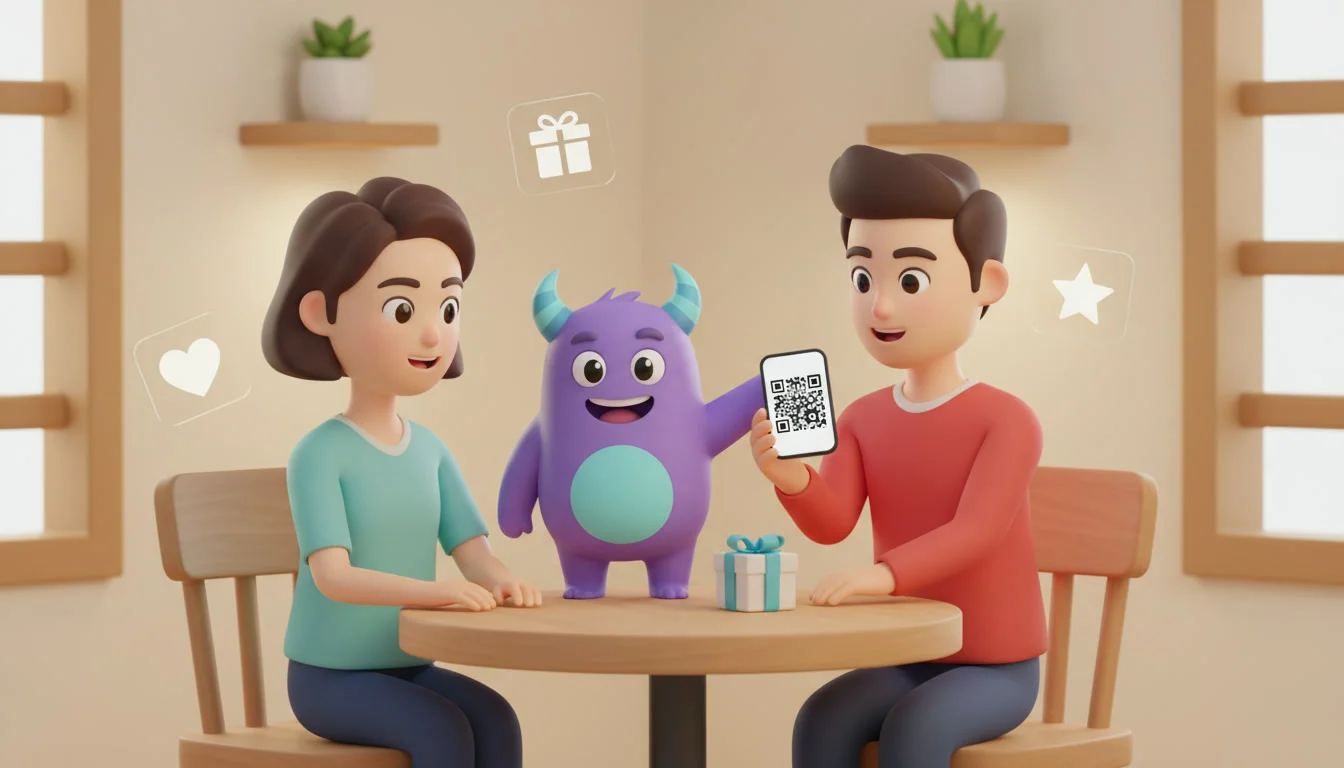
- Gives each member a unique code on their digital membership card.
- Offers a friend a discounted first class and gives the member a free class when the friend buys a pass.
- Sends the referral request after a member's tenth class, when satisfaction is high.
- Thanks its most active referrers personally each quarter.
The studio now sees which members bring in new people and can thank them properly.
How to do it in LUA CRM
Customer profiles
Store referral codes, referrers and rewards on each customer card next to purchase history.
Loyalty and wallet cards
Add referral rewards to loyalty points and show codes on digital loyalty cards in Apple Wallet or Google Wallet.
Automations
Trigger referral requests, referrer notifications and reward confirmations automatically.
Reports
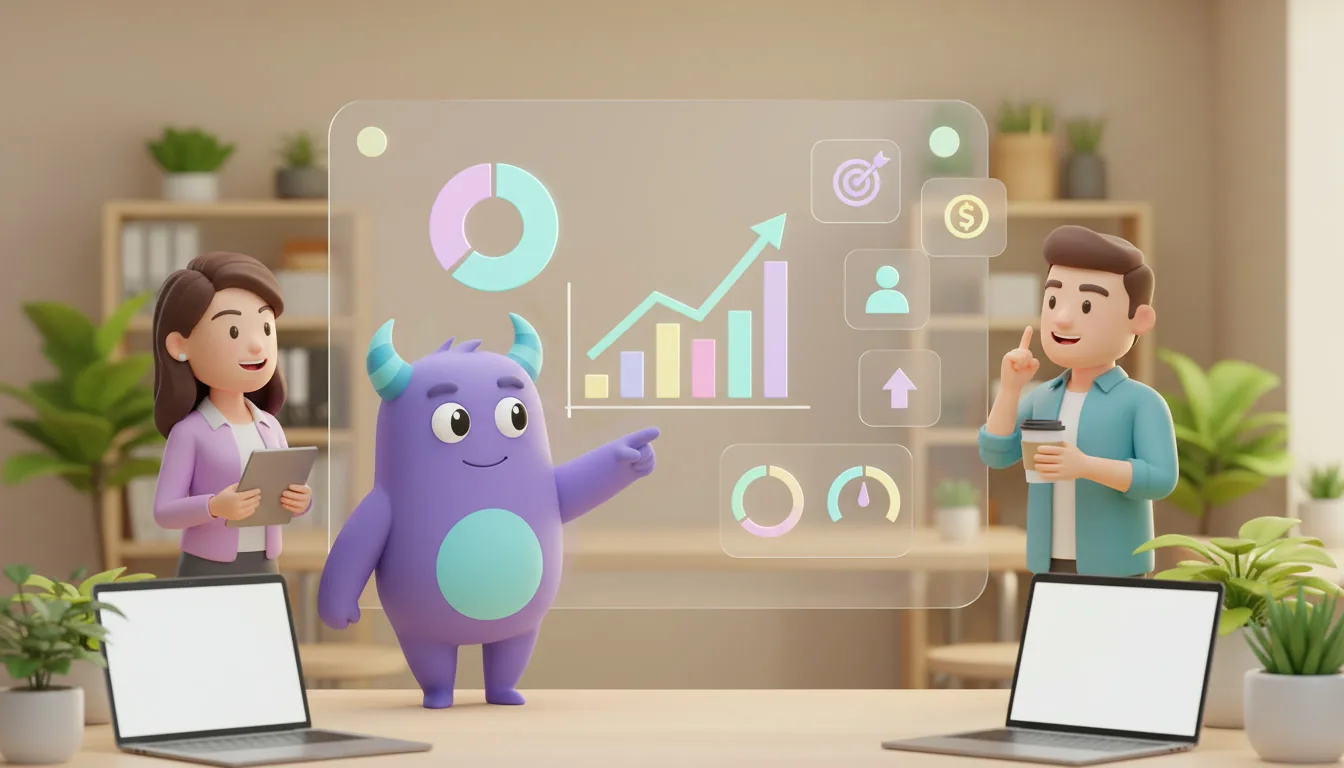
Track referrals used, rewards issued and revenue from referred customers on dashboards.
Ready to turn happy customers into your best marketing channel? Try LUA CRM and launch your referral program.
Metrics to track
Referral participation rate
Customers who shared or used their code ÷ all active customers.
Referral conversion rate
Referred people who completed the qualifying purchase ÷ all referred people.
Value of referred customers
Compare repeat purchases and revenue of referred customers with other customers. This guide to customer lifetime value explains how to calculate it.
Frequently asked questions
One that fits your margins and feels meaningful to customers. Double-sided rewards, such as a discount for the friend and credit for the referrer, are a common starting point.
Both is often easiest to share, because the referrer is giving a friend something useful rather than only earning a reward. Test what works for your audience.
Yes, though rewards often look different: account credit, service upgrades or donations instead of discounts. Personal asks from account managers after a successful project work especially well.
Issue rewards only after a real paid purchase, block self-referrals by checking contact details, and set clear limits and expiry dates in your terms.
It depends on how often customers buy and how actively you ask. Review results after a few months and adjust rewards, timing or messaging before deciding.
Conclusion
A customer referral program turns the recommendations your customers already make into a measurable growth channel. Keep the reward simple, ask at the right moment, track every code in your CRM and thank advocates generously. Start with one double-sided reward and an automated request after positive experiences, then refine as you learn what your customers respond to.