
Sok vállalkozás nem azért küzd, mert hiányoznak az ügyfelek, hanem mert hiányzik a struktúra. A kezdeti szakaszban az alapítók és a kis csapatok mindent manuálisan is képesek kezelni. De ahogy a vállalkozás növekszik, ez a megközelítés gyorsan fenntarthatatlanná válik.
Feladatok maradnak ki, a kommunikáció összeomlik, és a működés kaotikussá válik. Ezen a ponton válnak elengedhetetlenné az üzleti rendszerek.
A rendszerek kiépítése lehetővé teszi a vállalkozások számára, hogy hatékonyan skálázódjanak a kontroll elvesztése nélkül. Ahelyett, hogy egyénekre hagyatkoznának mindennek a kezelésében, a rendszerek egy strukturált munkamódszert hoznak létre, amely biztosítja a következetességet és a növekedést.
Mik azok az üzleti rendszerek?
Az üzleti rendszerek olyan strukturált folyamatok, amelyek meghatározzák, hogyan zajlik a munka egy vállalaton belül. Magukban foglalják a munkafolyamatokat, szabályokat és eszközöket, amelyek a feladatokat az elejétől a végéig irányítják.
Egy rendszer biztosítja, hogy a feladatok következetes módon teljesüljenek, függetlenül attól, hogy ki a felelős értük. Ez csökkenti a hibákat, javítja a hatékonyságot, és megkönnyíti a működés skálázását.
Miért elengedhetetlenek a rendszerek a skálázáshoz
Egy vállalkozás skálázása több ügyfél, több feladat és nagyobb komplexitás kezelését jelenti. Rendszerek nélkül ez a növekedés káoszhoz vezet.
A rendszerek lehetővé teszik a vállalkozások számára, hogy kezeljék a megnövekedett munkaterhelést anélkül, hogy növelnék a stresszt vagy rontanák a minőséget. Stabilitást teremtenek, javítják a termelékenységet, és megkönnyítik az új alkalmazottak betanítását.
Röviden: a rendszerek kezelhetővé teszik a növekedést.
1. lépés: Azonosítsa az alapvető folyamatait
Kezdje a vállalkozása legfontosabb folyamatainak azonosításával. Ezek általában magukban foglalják az érdeklődők kezelését, az értékesítést, az ügyfelek beillesztését (onboarding), az ügyfélszolgálatot és a belső működést.
E folyamatok megértése a rendszerek kiépítésének alapja.
2. lépés: Bontsa le az egyes folyamatokat
Miután azonosította az alapvető folyamatokat, bontsa le őket egyértelmű lépésekre. Dokumentálja, hogy minek kell történnie, ki a felelős, és mi a várható eredmény.
Ez segít kiküszöbölni a félreértéseket, és biztosítja, hogy mindenki ugyanazt a struktúrát kövesse.
3. lépés: Standardizálja a munkafolyamatokat
A standardizálás a következetesség kulcsa. Határozzon meg egyértelmű szabályokat és lépéseket minden folyamathoz, hogy a feladatokat minden alkalommal ugyanúgy végezzék el.
Ez csökkenti a hibákat és javítja a hatékonyságot a csapaton belül.
4. lépés: Vezesse be az automatizálást
Miután a folyamatok egyértelműek, elkezdheti az ismétlődő feladatok automatizálását. Az automatizálás segít csökkenteni a manuális munkát, és biztosítja a folyamatok zökkenőmentes működését.
Például az utánkövetések, a feladatok kiosztása és az értesítések mind automatizálhatók.
Ez lehetővé teszi a csapat számára, hogy a rutin feladatok helyett a magas értékű tevékenységekre összpontosítson.
5. lépés: Használja a megfelelő eszközöket
A rendszereknek eszközökre van szükségük a hatékony működéshez. A megfelelő eszközök nélkül még a jól meghatározott folyamatok is összeomolhatnak.
A CRM rendszerek kulcsszerepet játszanak az üzleti folyamatok kezelésében. Központosítják az adatokat, nyomon követik a munkafolyamatokat, és biztosítják a feladatok megfelelő végrehajtását.
Ahelyett, hogy táblázatokra vagy szétszórt eszközökre hagyatkozna, a CRM strukturált környezetet biztosít a működés kezeléséhez.
Hogyan segít a Lua CRM a skálázható rendszerek kiépítésében
A Lua CRM-et úgy tervezték, hogy segítse a vállalkozásokat a skálázható rendszerek kiépítésében és kezelésében. A platform lehetővé teszi munkafolyamatok létrehozását, feladatok automatizálását és az ügyféladatok egy helyen történő rendszerezését.
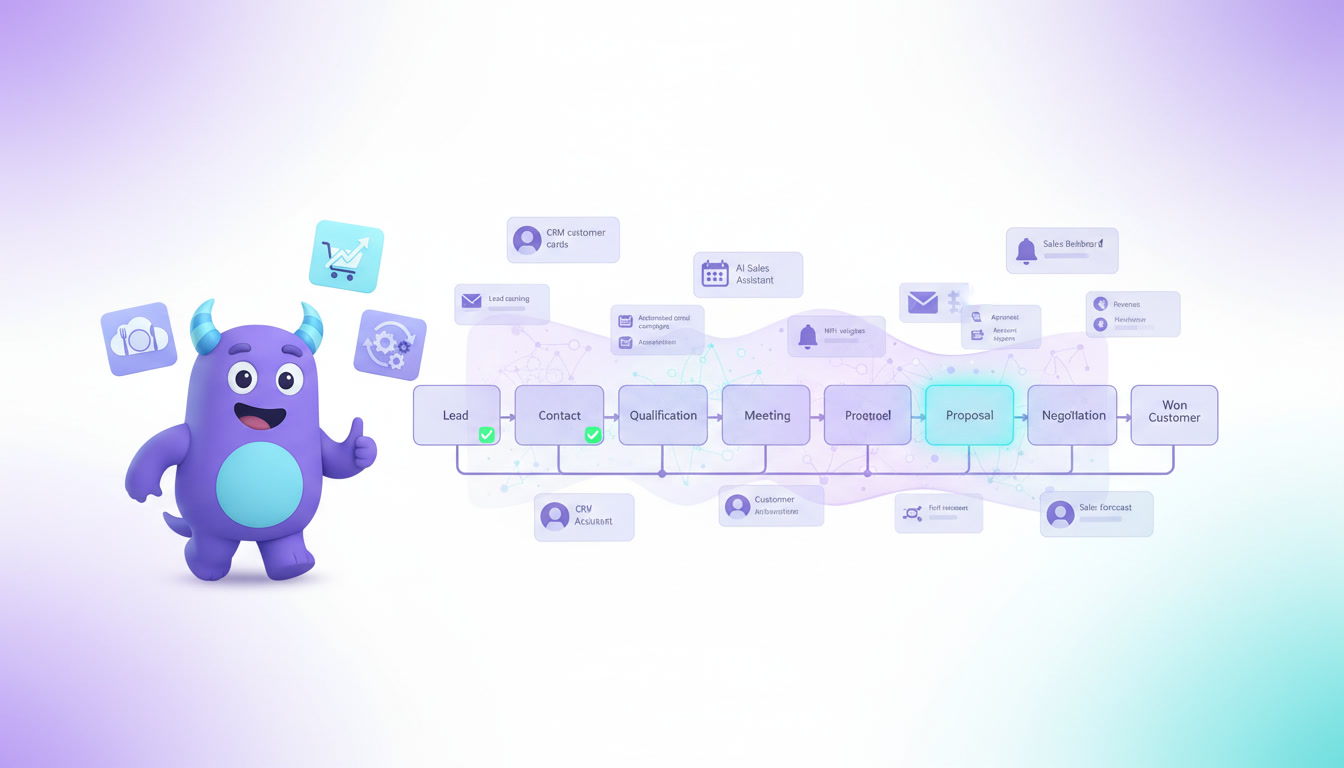
A Lua CRM segítségével nyomon követheti az érdeklődőket, kezelheti az értékesítési tölcséreket, automatikusan oszthat ki feladatokat, és ellenőrizheti a teljesítményt.
Ez egy olyan strukturált rendszert hoz létre, amely támogatja a növekedést anélkül, hogy növelné a komplexitást.
Az automatizálás és a CRM funkciók kombinálásával a vállalkozások hatékonyabban működhetnek és magabiztosan skálázódhatnak.
Gyakori hibák, amelyeket el kell kerülni
Sok vállalkozás elköveti azt a hibát, hogy túlkomplikálja a rendszereit. A bonyolult folyamatok lassíthatják a működést ahelyett, hogy javítanák azt.
Egy másik gyakori hiba a munkafolyamatok dokumentálásának hiánya. Egyértelmű dokumentáció nélkül a rendszerek az emlékezetre hagyatkoznak, ami következetlenséghez vezet.
Az is fontos, hogy folyamatosan fejlessze rendszereit, ahogy a vállalkozása növekszik.
Összegzés
Az üzleti rendszerek kiépítése az egyik legfontosabb lépés a sikeres skálázáshoz. Rendszerek nélkül a növekedés káoszhoz vezet.
A kulcsfontosságú folyamatok azonosításával, a munkafolyamatok standardizálásával és az olyan automatizálási eszközök használatával, mint a CRM rendszerek, a vállalkozások erős alapot teremthetnek a növekedéshez.
Hosszú távon a rendszerek lehetővé teszik a vállalatok számára, hogy hatékonyan skálázódjanak, fenntartsák a minőséget és kontrolláltan működjenek.
A cél egyszerű: olyan rendszereket létrehozni, amelyek lehetővé teszik a vállalkozás növekedését anélkül, hogy az összeomlana.
.jpg)

.jpg)