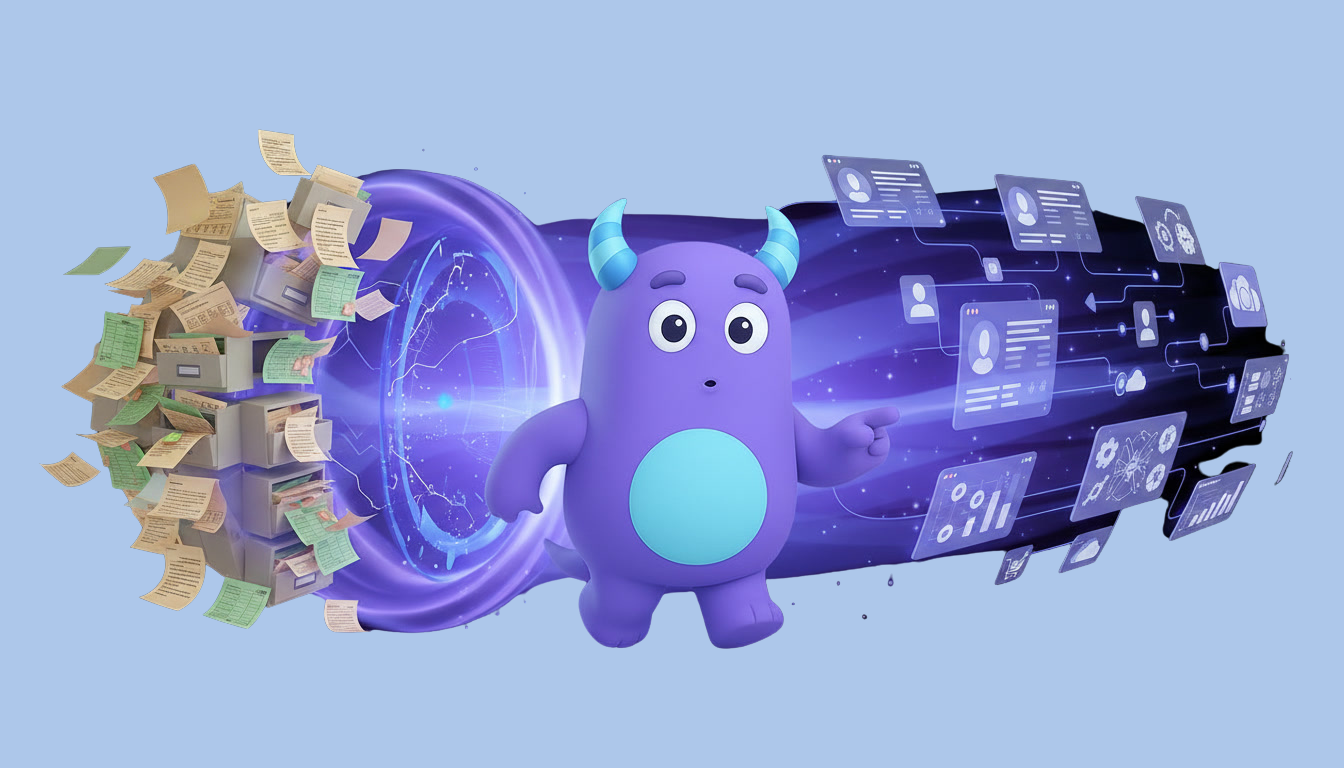
In many service businesses, automation exists in isolated places. A few reminders are automated, some emails are triggered, and basic workflows exist. Yet most daily operations still depend on manual execution.
This gap is often invisible. Work continues, clients are served, and teams adapt. Over time, however, the absence of automation creates friction that slows execution and increases stress.
Understanding what happens when automation is missing helps service businesses see where manual work quietly limits performance.
Manual Execution Creates Hidden Delays
Manual processes depend on people noticing what needs to be done next. Tasks wait for attention, approvals are delayed, and follow-ups rely on reminders.
Each delay may seem small, but together they extend timelines. Projects move slower than expected, not because work is difficult, but because coordination is inconsistent.
Automation removes these pauses by moving work forward automatically when conditions are met.
Coordination Becomes a Full-Time Job
When automation is missing, coordination fills the gap. Managers and senior staff spend time checking progress, reminding team members, and reconnecting work.
This coordination effort rarely appears in reports, but it consumes significant time and energy. Leaders become operational hubs instead of focusing on planning and improvement.
Automation reduces the need for constant supervision.
Inconsistency Becomes Normal
Without automation, execution depends on individual habits. One team member follows every step carefully, another skips parts unintentionally.
Clients experience variation in quality and timing. Teams accept inconsistency as normal because correcting it manually feels exhausting.
Automation enforces consistency without requiring constant attention.
Stress Increases as Volume Grows
Manual systems can function at low volume. As demand increases, pressure builds. More tasks, more clients, and more dependencies increase the chance of error.
Teams compensate by working harder, not by working differently. Stress rises, mistakes increase, and burnout becomes a risk.
Automation absorbs volume without increasing mental load.
Visibility Remains Limited
When processes are manual, visibility depends on updates. Progress is reported after the fact, often when issues have already escalated.
This limits decision-making. Leaders react instead of adjusting early.
Automation creates visibility as work happens, not after it finishes.
Why Automation Must Live Inside Daily Work
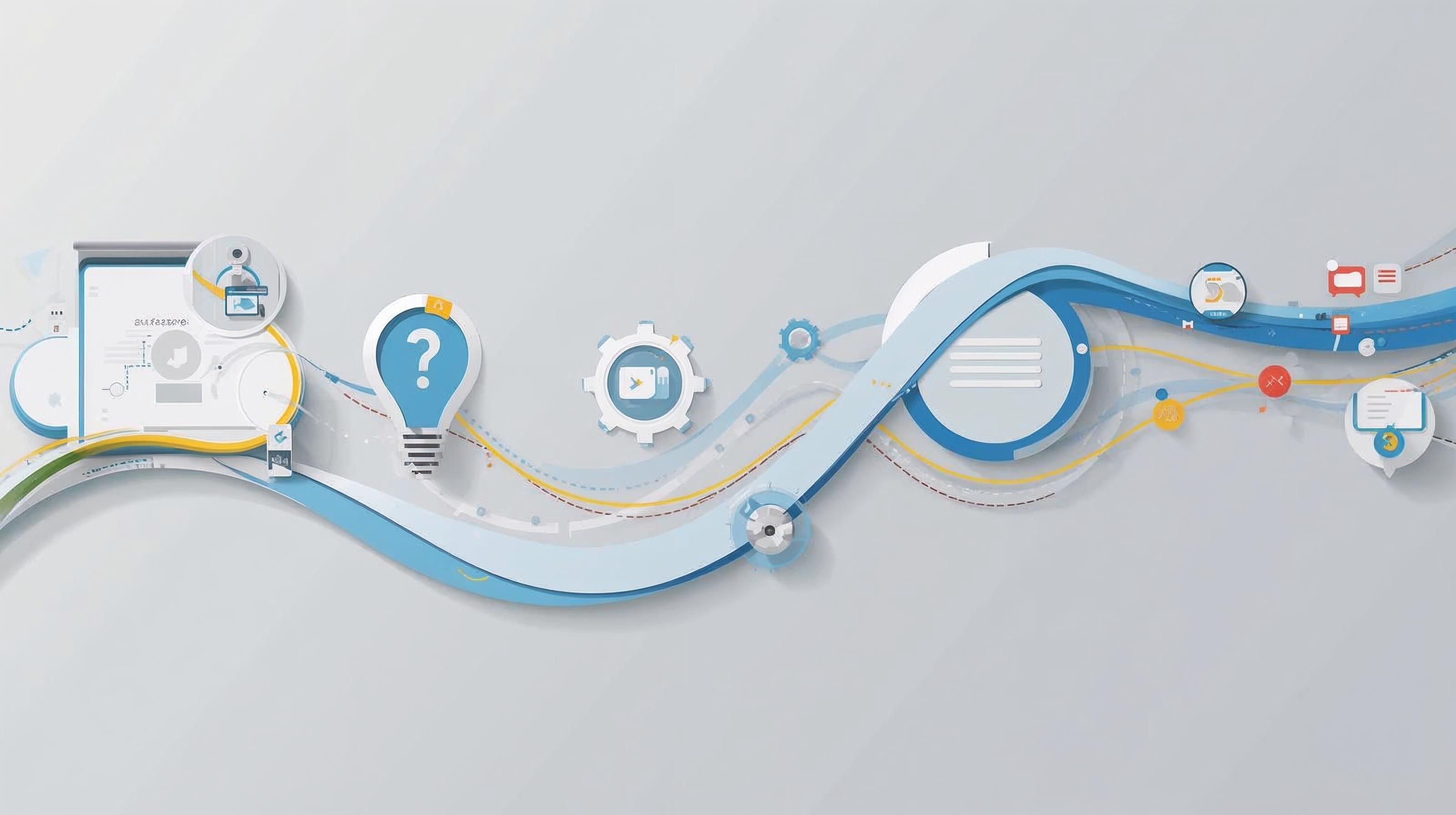
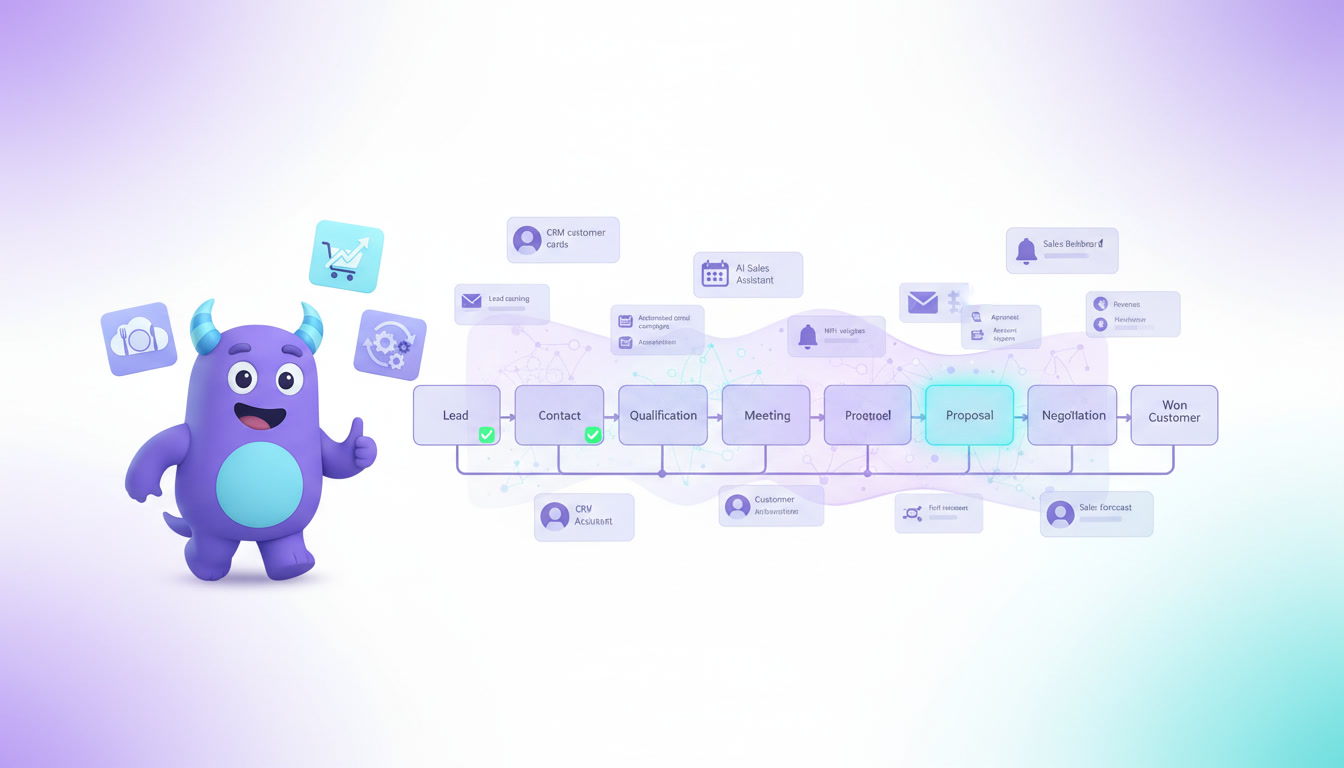
Automation is most effective when embedded into daily operations. It should support tasks, projects, communication, and billing, not exist as a separate layer.
When automation becomes part of how work flows, teams stop thinking about coordination and focus on delivery.
This integration turns automation into infrastructure rather than a feature.
Conclusion
When automation is missing from daily operations, service businesses rely on effort instead of structure. Hidden delays, stress, and inconsistency become part of normal work.
By embedding automation into everyday workflows, service businesses improve reliability, reduce pressure, and create a foundation for scalable execution. Automation does not change what teams do. It changes how consistently they can do it.
.jpg)

.jpg)