.jpg)
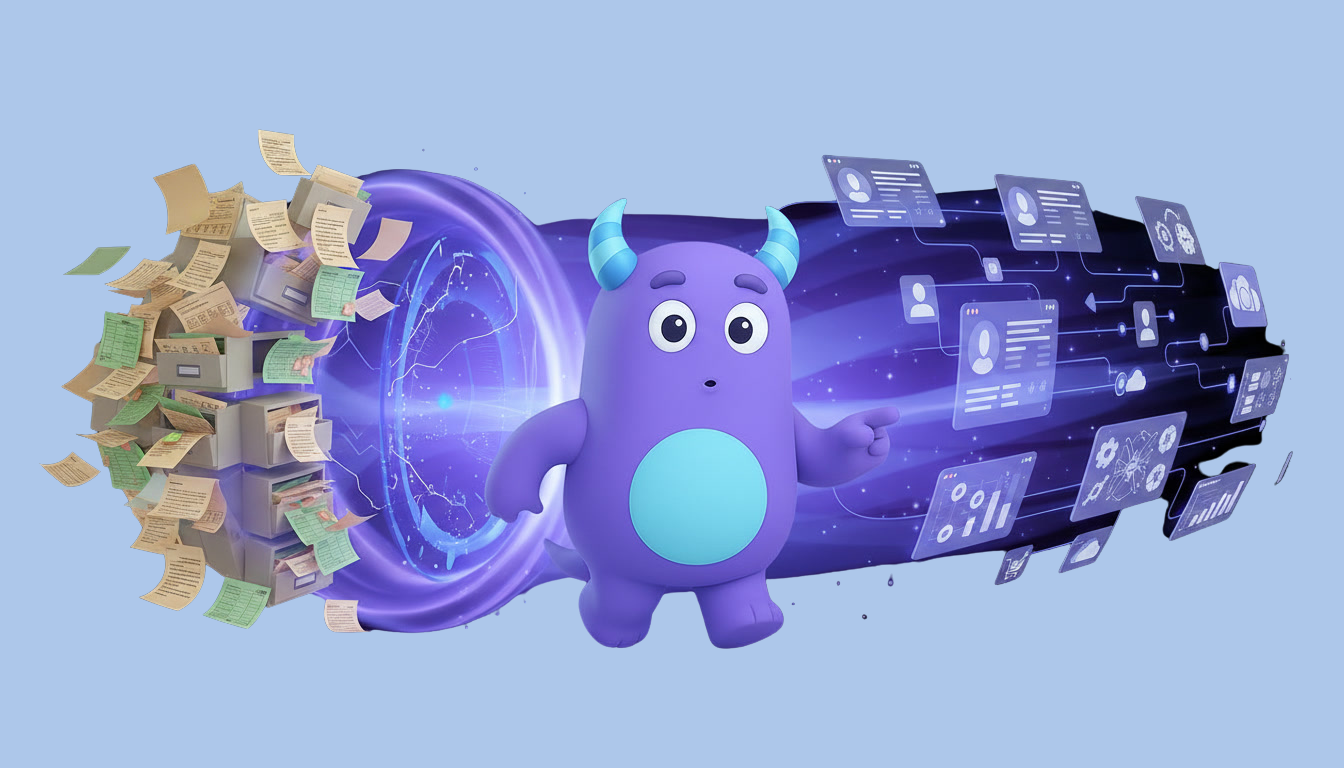
Բիզնեսի շատ սեփականատերեր ունենում են նույն հիասթափեցնող զգացողությունը. անկախ նրանից, թե որքան ջանասիրաբար են աշխատում, իրենց բիզնեսը դեռ քաոսային է թվում: Առաջադրանքները կուտակվում են, հաղորդագրությունները բաց են թողնվում, հաճախորդների հետ պատշաճ կերպով հետևողական աշխատանք չի տարվում, և թիմը կարծես անընդհատ զբաղված է, բայց իրականում արդյունավետ չէ:
Սկզբում այս քաոսը կարող է թվալ աճի բնական մաս: Բայց իրականում դա աճ չէ, այլ կառուցվածքի բացակայություն: Եվ եթե այն չշտկվի, դառնում է հիմնական պատճառներից մեկը, թե ինչու են բիզնեսները դադարում ընդլայնվել:
Ճշմարտությունը պարզ է. բիզնեսները հաջողակ չեն դառնում, որովհետև մարդիկ ավելի շատ են աշխատում: Նրանք հաջողակ են դառնում, որովհետև կառուցում են համակարգեր, որոնք հետևողականորեն աշխատում են:
Ինչու են բիզնեսները դառնում քաոսային
Բիզնեսում քաոսը հանկարծակի չի առաջանում: Այն ձևավորվում է ժամանակի ընթացքում, երբ գործառնություններն աճում են առանց պատշաճ կառուցվածքի:
Սկզբում ամեն ինչ պարզ է: Մի քանի հաճախորդ, մի քանի առաջադրանք և ուղիղ հաղորդակցություն: Բայց երբ բիզնեսն աճում է, բարդությունն ավելանում է: Ավելի շատ պոտենցիալ հաճախորդներ են հայտնվում, ավելի շատ առաջադրանքներ պետք է կատարվեն, և ավելի շատ հաղորդակցման ուղիներ են օգտագործվում:
Առանց համակարգի ամեն ինչ սկսում է փլուզվել: Տեղեկատվությունը ցրվում է, առաջադրանքները մոռացվում են, և պարտականությունները դառնում են անհասկանալի: Թիմն ավելի շատ ժամանակ է ծախսում քաոսը կառավարելու վրա, քան իրականում աշխատելու:
Սա այն կետն է, որտեղ շատ բիզնեսներ խրվում են: Նրանք փորձում են խնդիրները լուծել՝ ավելի շատ աշխատելով, ավելի շատ մարդկանց վարձելով կամ ավելի շատ գործիքներ ավելացնելով: Բայց այս լուծումներից ոչ մեկը չի անդրադառնում իրական խնդրին:
Իրական խնդիրը ոչ թե աշխատանքի ծավալն է, այլ համակարգերի բացակայությունը:
Քաոսի թաքնված արժեքը
Բիզնեսի քաոսը պարզապես անհարմարություն չէ: Այն ուղղակիորեն ազդում է եկամտի, աճի և հաճախորդների փորձառության վրա:
Երբ գործընթացները կառուցվածքավորված չեն, պոտենցիալ հաճախորդների հետ հետևողական աշխատանք չի տարվում: Սա նշանակում է վաճառքի կորցրած հնարավորություններ: Երբ հաղորդակցությունը կազմակերպված չէ, հաճախորդները ստանում են դանդաղ կամ անհետևողական պատասխաններ: Սա վնասում է վստահությանը և նվազեցնում հաճախորդներին պահպանելու հավանականությունը:
Ներքին առումով քաոսը ստեղծում է սթրես և նվազեցնում արտադրողականությունը: Թիմի անդամները չգիտեն, թե ինչին տալ առաջնահերթություն, առաջադրանքները կրկնվում են, և սխալներն ավելի հաճախակի են դառնում:
Ժամանակի ընթացքում այս խնդիրները խորանում են: Բիզնեսը կարող է դեռ առաջ շարժվել, բայց դա անում է անարդյունավետ կերպով: Աճը դառնում է ավելի դանդաղ, ավելի թանկ և ավելի դժվար կառավարելի:
Ինչու ջանասիրաբար աշխատելը լուծում չէ
Բիզնեսի սեփականատերերի կողմից արվող ամենատարածված սխալներից մեկն այն համոզմունքն է, որ քաոսը կարելի է լուծել ավելի շատ աշխատելով: Նրանք փորձում են ավելի շատ առաջադրանքներ կատարել, ավելի արագ արձագանքել և ավելի կազմակերպված մնալ՝ ամեն ինչ անելով ձեռքով:
Այս մոտեցումը ժամանակավորապես աշխատում է, բայց այն չի ընդլայնվում: Երբ բիզնեսն աճում է, աշխատանքի ծավալն ավելանում է ավելի արագ, քան սեփականատիրոջ կարողությունները:
Ի վերջո, սա հանգեցնում է ուժասպառության: Բիզնեսը կախված է դառնում մշտական ջանքերից՝ կառուցվածքավորված համակարգերի փոխարեն:
Հաջողակ բիզնեսները միայն ջանքերի վրա չեն հիմնվում: Նրանք հիմնվում են համակարգերի վրա, որոնք ապահովում են հետևողականություն և արդյունավետություն:
Իրականում ինչ են նշանակում բիզնես համակարգերը
Համակարգը պարզապես ինչ-որ բան բազմիցս անելու կառուցվածքավորված եղանակ է:
Ամեն անգամ առաջադրանքները ձեռքով կատարելու փոխարեն՝ համակարգը սահմանում է, թե ինչպես պետք է դրանք կատարվեն, ով է պատասխանատուն և ինչ է տեղի ունենում հաջորդիվ:
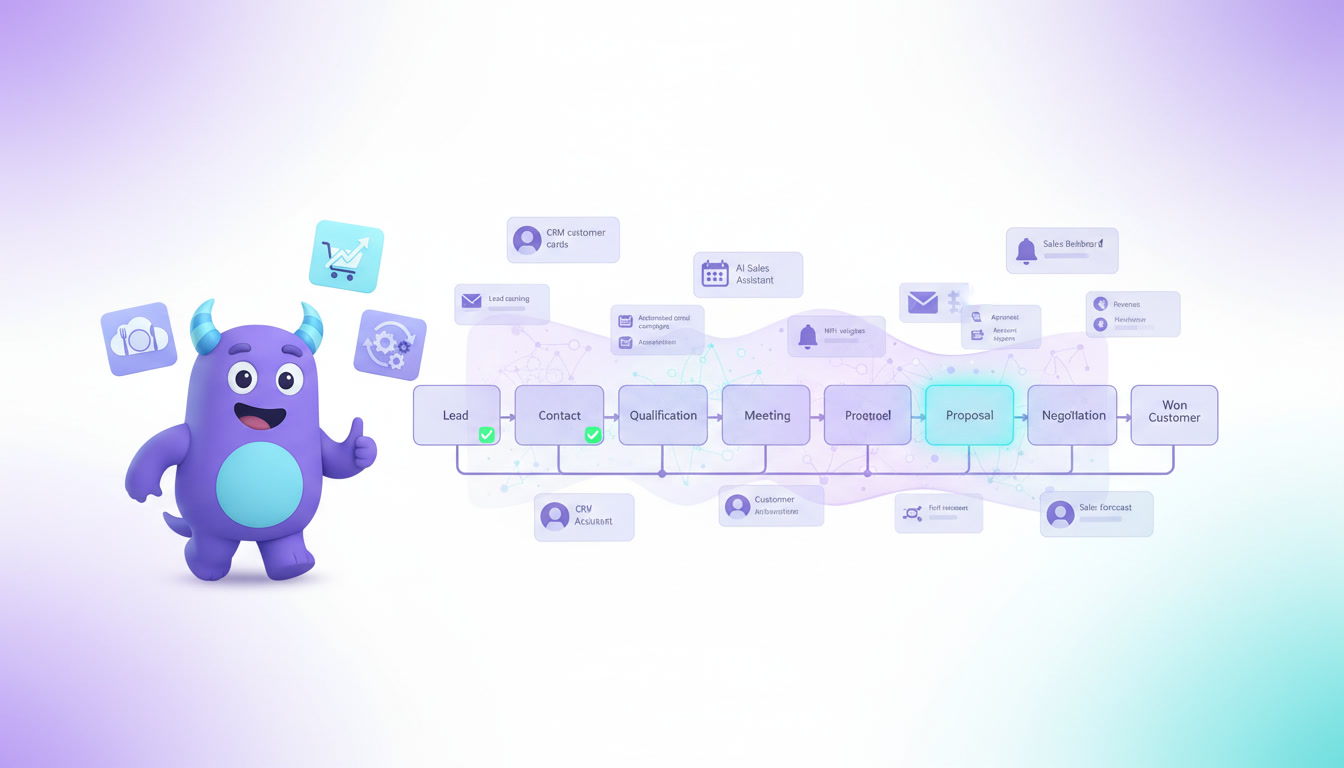
Օրինակ, պոտենցիալ հաճախորդներին ձեռքով հետևելու փոխարեն՝ համակարգն ավտոմատ կերպով գրանցում է նոր պոտենցիալ հաճախորդներին, նրանց հանձնարարում թիմի անդամին և պլանավորում հետագա քայլերը:
Սա վերացնում է ենթադրությունները և ապահովում, որ յուրաքանչյուր քայլ հետևողականորեն կատարվի:
Ինչպես են համակարգերը փոխակերպում բիզնեսը
Երբ բիզնեսը ներդնում է համակարգեր, ամեն ինչ փոխվում է:
Աշխատանքը դառնում է կանխատեսելի: Առաջադրանքները կատարվում են ժամանակին: Հաղորդակցությունը բարելավվում է: Թիմը հստակ գիտի՝ ինչ անել և երբ անել:
Խնդիրներին արձագանքելու փոխարեն՝ բիզնեսը գործում է նախաձեռնողաբար: Խնդիրները կանխարգելվում են նախքան դրանց առաջանալը:
Ամենակարևորը՝ համակարգերը բիզնեսը դարձնում են ընդլայնվող: Աճն այլևս քաոս չի ստեղծում, այն հիմնված է կառուցվածքի վրա:
Ինչպես քայլ առ քայլ շտկել բիզնեսի քաոսը
Քաոսը շտկելը չի պահանջում մեկ գիշերվա ընթացքում ամբողջական փոխակերպում: Այն սկսվում է ամենակարևոր խնդիրները բացահայտելուց և դրանց շուրջ պարզ համակարգեր կառուցելուց:
Առաջին քայլը քաոսի առկայության վայրը պարզելն է: Դա կարող է լինել վաճառքի, հաղորդակցության, առաջադրանքների կառավարման կամ հաճախորդների հետ հետագա աշխատանքի ոլորտներում:
Երկրորդ քայլը հստակ գործընթացներ սահմանելն է: Ի՞նչ է տեղի ունենում, երբ նոր պոտենցիալ հաճախորդ է հայտնվում: Ի՞նչ է տեղի ունենում գործարքը փակելուց հետո: Ո՞վ է պատասխանատու յուրաքանչյուր քայլի համար:
Երրորդ քայլը այս գործընթացներին աջակցող գործիքների ներդրումն է: Այստեղ է, որ CRM համակարգերը դառնում են էական:
CRM համակարգը թույլ է տալիս բիզնესներին կառուցվածքավորել աշխատանքային հոսքերը, ավտոմատացնել առաջադրանքները և կենտրոնացնել տեղեկատվությունը: Ձեռքով համակարգման վրա հիմնվելու փոխարեն՝ համակարգն ապահովում է, որ ամեն ինչ սահուն ընթանա:
Ինչու են CRM համակարգերը կարգուկանոնի հիմքը
Փոքր բիզնեսների մեծամասնության համար քաոսի ամենամեծ աղբյուրը հաճախորդների և պոտենցիալ հաճախորդների կառավարումն է: Առանց կենտրոնացված համակարգի՝ տեղեկատվությունը ցրված է էլեկտրոնային նամակների, հաղորդագրությունների և նշումների միջև:
CRM-ը լուծում է այս խնդիրը՝ ամեն ինչ հավաքելով մեկ տեղում: Այն հետևում է յուրաքանչյուր փոխազդեցության, կառավարում է յուրաքանչյուր պոտենցիալ հաճախորդի և ապահովում, որ ոչ մի հնարավորություն բաց չթողնվի:
Ավելի կարևոր է, որ ժամանակակից CRM համակարգերը թույլ են տալիս բիզնեսներին ավտոմատացնել աշխատանքային հոսքերը: Սա նշանակում է, որ առաջադրանքներն ավտոմատ կերպով ստեղծվում են, հետագա քայլերը պլանավորվում են, և գործընթացներն ընթանում են առանց ձեռքով միջամտության:
Lua CRM-ի նման հարթակները նախատեսված են հենց այս նպատակի համար: Դրանք թույլ են տալիս բիզնեսներին քաոսից անցնել կառուցվածքավորված համակարգերի՝ միավորելով CRM-ը, ավտոմատացումը և աշխատանքային հոսքերի կառավարումը մեկ հարթակում:
Բազմաթիվ գործիքներ օգտագործելու և ամեն ինչ ձեռքով կառավարելու փոխարեն՝ բիզնեսները կարող են գործել մեկ միասնական համակարգի միջոցով, որը ամեն ինչ կազմակերպված է պահում:
Իրական տեղաշարժը՝ քաոսից դեպի վերահսկողություն
Քաոսային և հաջողակ բիզնեսների միջև տարբերությունը ջանքերը չեն, այլ կառուցվածքը:
Երբ համակարգերը տեղում են, բիզնեսն ավելի հեշտ է դառնում կառավարել: Աճը դառնում է կանխատեսելի: Թիմը դառնում է ավելի արդյունավետ:
Ամենակարևորը՝ սեփականատերն այլևս ծանրաբեռնված չէ ամենօրյա գործառնություններով:
Անընդհատ խնդիրներին արձագանքելու փոխարեն՝ բիզնեսը գործում է սահուն և հետևողականորեն:
Վերջնական մտքեր
Եթե ձեր բիզնեսը քաոսային և անկառուցվածք է թվում, գուցե ժամանակն է համակարգ ներդնելու: Ուսումնասիրեք Lua CRM-ը և տեսեք, թե ինչպես կարող եք կազմակերպել ձեր աշխատանքային հոսքերը և արդյունավետորեն ընդլայնվել:
Բացահայտելով անարդյունավետությունները, կառուցելով կառուցվածքավորված գործընթացներ և օգտագործելով ճիշտ գործիքներ՝ դուք կարող եք ձեր բիզնեսը վերածել լավ կազմակերպված, ընդլայնվող գործունեության:
Նպատակը ոչ թե աշխատանքը վերացնելն է, այլ քաոսը վերացնելը:
Եվ դա անելու միակ ճանապարհը համակարգերի միջոցով է:
.jpg)

.jpg)