.jpg)
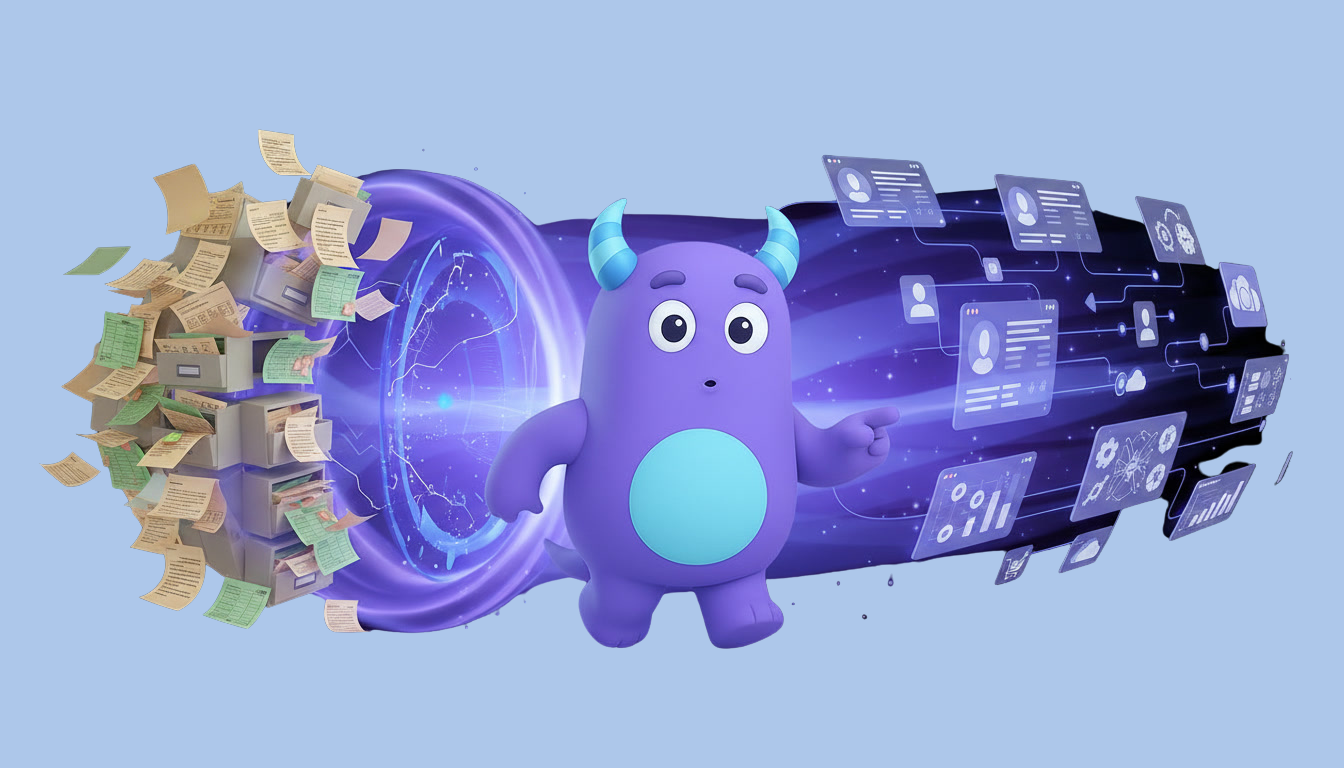
De nombreux propriétaires d'entreprise ressentent la même frustration : peu importe leurs efforts, leur entreprise semble toujours chaotique. Les tâches s'accumulent, les messages sont manqués, les clients ne sont pas suivis correctement et l'équipe semble constamment occupée mais pas vraiment productive.
Au début, ce chaos peut sembler une partie naturelle de la croissance. Mais en réalité, ce n'est pas de la croissance, c'est un manque de structure. Et si cela n'est pas corrigé, cela devient l'une des principales raisons pour lesquelles les entreprises cessent de croître.
La vérité est simple : les entreprises ne réussissent pas parce que les gens travaillent plus dur. Elles réussissent parce qu'elles mettent en place des systèmes qui fonctionnent de manière cohérente.
Pourquoi les entreprises deviennent chaotiques
Le chaos dans les affaires n'apparaît pas soudainement. Il se construit au fil du temps à mesure que les opérations se développent sans structure appropriée.
Au début, tout est simple. Quelques clients, quelques tâches et une communication directe. Mais à mesure que l'entreprise se développe, la complexité augmente. Plus de prospects arrivent, plus de tâches doivent être gérées et plus de canaux de communication sont utilisés.
Sans système, tout commence à s'effondrer. L'information devient dispersée, les tâches sont oubliées et les responsabilités deviennent floues. L'équipe passe plus de temps à gérer le chaos qu'à travailler réellement.
C'est le point où de nombreuses entreprises sont bloquées. Elles essaient de résoudre les problèmes en travaillant plus dur, en embauchant plus de personnes ou en ajoutant plus d'outils. Mais aucune de ces solutions ne s'attaque au véritable problème.
Le vrai problème n'est pas la charge de travail, c'est le manque de systèmes.
Le coût caché du chaos
Le chaos dans les affaires n'est pas seulement gênant. Il a un impact direct sur les revenus, la croissance et l'expérience client.
Lorsque les processus ne sont pas structurés, les prospects ne sont pas suivis de manière cohérente. Cela signifie des opportunités de vente perdues. Lorsque la communication est désorganisée, les clients reçoivent des réponses lentes ou incohérentes. Cela nuit à la confiance et réduit la fidélisation.
En interne, le chaos crée du stress et réduit la productivité. Les membres de l'équipe ne savent pas quoi prioriser, les tâches se chevauchent et les erreurs deviennent plus fréquentes.
Au fil du temps, ces problèmes s'aggravent. L'entreprise peut encore progresser, mais elle le fait de manière inefficace. La croissance devient plus lente, plus coûteuse et plus difficile à gérer.
Pourquoi le travail acharné n'est pas la solution
L'une des erreurs les plus courantes que commettent les propriétaires d'entreprise est de croire que le chaos peut être résolu en travaillant plus dur. Ils essaient de gérer plus de tâches, de répondre plus rapidement et de rester plus organisés manuellement.
Cette approche fonctionne temporairement, mais elle n'est pas évolutive. À mesure que l'entreprise se développe, la charge de travail augmente plus rapidement que la capacité du propriétaire.
Finalement, cela conduit à l'épuisement professionnel. L'entreprise devient dépendante d'un effort constant au lieu de systèmes structurés.
Les entreprises prospères ne comptent pas uniquement sur l'effort. Elles s'appuient sur des systèmes qui garantissent la cohérence et l'efficacité.
Ce que signifient réellement les systèmes d'entreprise
Un système est simplement une manière structurée de faire quelque chose de manière répétée.
Au lieu de traiter les tâches manuellement à chaque fois, un système définit comment les tâches doivent être effectuées, qui est responsable et ce qui se passe ensuite.
Par exemple, au lieu de suivre manuellement les prospects, un système enregistre automatiquement les nouveaux prospects, les attribue à un membre de l'équipe et planifie les suivis.
Cela élimine les approximations et garantit que chaque étape est effectuée de manière cohérente.
Comment les systèmes transforment une entreprise
Lorsqu'une entreprise met en œuvre des systèmes, tout change.
Le travail devient prévisible. Les tâches sont terminées à temps. La communication s'améliore. L'équipe sait exactement quoi faire et quand le faire.
Au lieu de réagir aux problèmes, l'entreprise fonctionne de manière proactive. Les problèmes sont évités avant qu'ils ne surviennent.
Plus important encore, les systèmes rendent l'entreprise évolutive. La croissance ne crée plus de chaos, elle est soutenue par une structure.
Comment résoudre le chaos dans les affaires étape par étape
Résoudre le chaos ne nécessite pas une transformation complète du jour au lendemain. Cela commence par l'identification des problèmes les plus critiques et la mise en place de systèmes simples autour d'eux.
La première étape consiste à identifier où existe le chaos. Cela pourrait être dans les ventes, la communication, la gestion des tâches ou les suivis clients.
La deuxième étape consiste à définir des processus clairs. Que se passe-t-il lorsqu'un prospect arrive ? Que se passe-t-il après la conclusion d'un accord ? Qui est responsable de chaque étape ?
La troisième étape consiste à mettre en œuvre des outils qui prennent en charge ces processus. C'est là que les systèmes CRM deviennent essentiels.
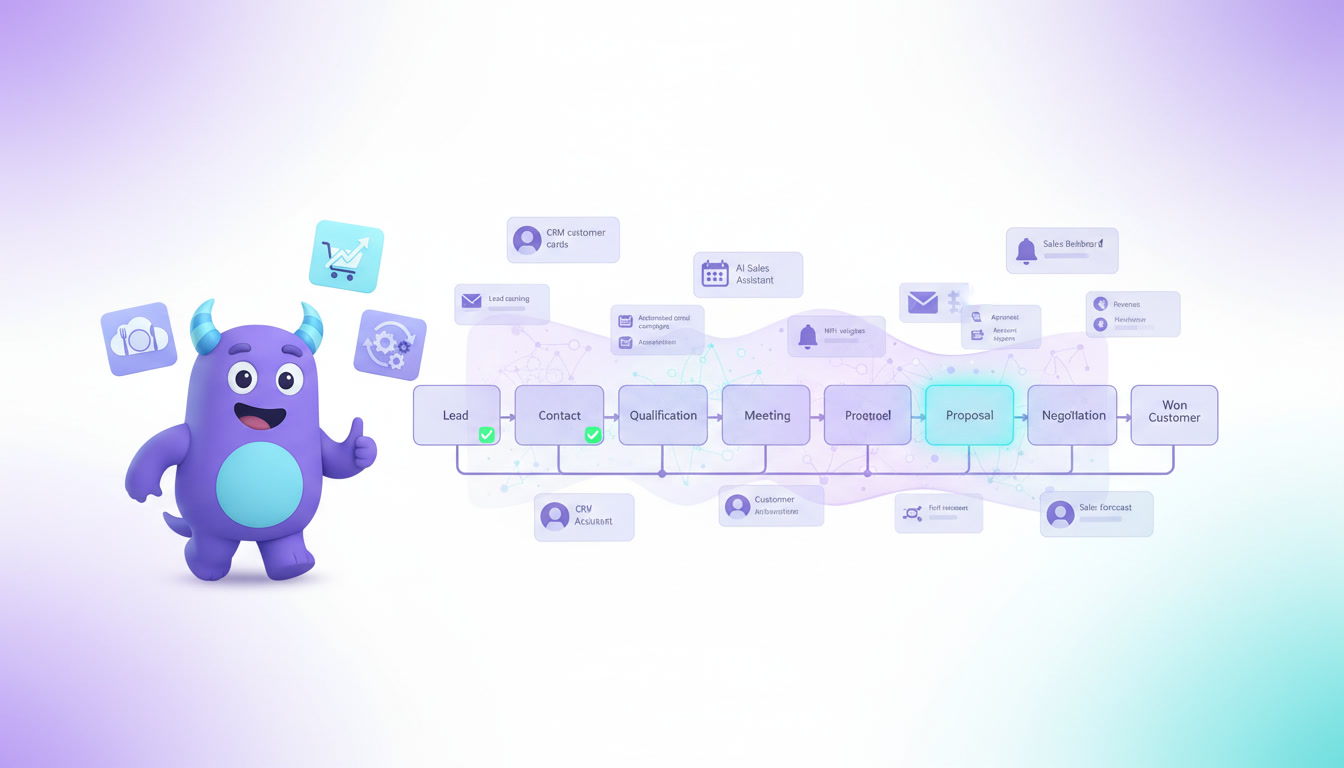
Un système CRM permet aux entreprises de structurer les flux de travail, d'automatiser les tâches et de centraliser les informations. Au lieu de s'appuyer sur une coordination manuelle, le système garantit que tout se déroule sans heurts.
Pourquoi les systèmes CRM sont le fondement de l'ordre
Pour la plupart des petites entreprises, la plus grande source de chaos est la gestion des clients et des prospects. Sans système central, l'information est dispersée dans les courriels, les messages et les notes.
Un CRM résout ce problème en rassemblant tout en un seul endroit. Il suit chaque interaction, gère chaque prospect et garantit qu'aucune opportunité n'est perdue.
Plus important encore, les systèmes CRM modernes permettent aux entreprises d'automatiser les flux de travail. Cela signifie que les tâches sont créées automatiquement, les suivis sont planifiés et les processus s'exécutent sans intervention manuelle.
Les plateformes comme Lua CRM sont conçues spécifiquement à cet effet. Elles permettent aux entreprises de passer du chaos à des systèmes structurés en combinant CRM, automatisation et gestion des flux de travail dans une seule plateforme.
Au lieu d'utiliser plusieurs outils et de tout gérer manuellement, les entreprises peuvent fonctionner via un seul système qui maintient tout organisé.
Le véritable changement : du chaos au contrôle
La différence entre les entreprises chaotiques et celles qui réussissent n'est pas l'effort, c'est la structure.
Lorsque des systèmes sont en place, l'entreprise devient plus facile à gérer. La croissance devient prévisible. L'équipe devient plus productive.
Plus important encore, le propriétaire n'est plus submergé par les opérations quotidiennes.
Au lieu de réagir constamment aux problèmes, l'entreprise fonctionne de manière fluide et cohérente.
Dernières réflexions
Si votre entreprise vous semble chaotique et non structurée, il est peut-être temps de mettre en place un système. Explorez Lua CRM et voyez comment vous pouvez organiser vos flux de travail et évoluer efficacement.
En identifiant les inefficacités, en mettant en place des processus structurés et en utilisant les bons outils, vous pouvez transformer votre entreprise en une opération bien organisée et évolutive.
L'objectif n'est pas d'éliminer le travail, mais d'éliminer le chaos.
Et la seule façon d'y parvenir est par le biais de systèmes.
.jpg)

.jpg)