.jpg)
Багато власників бізнесу відчувають те саме неприємне відчуття: незалежно від того, як наполегливо вони працюють, їхній бізнес все одно здається хаотичним. Завдання накопичуються, повідомлення пропускаються, клієнти не отримують належного зворотного зв'язку, і команда, здається, постійно зайнята, але не по-справжньому продуктивна.
Спочатку цей хаос може здатися природною частиною зростання. Але насправді це не зростання — це відсутність структури. І якщо це не виправити, це стане однією з головних причин, чому бізнес перестає масштабуватися.
Істина проста: бізнес не стає успішним, тому що люди більше працюють. Вони стають успішними, тому що будують системи, які працюють стабільно.
Чому в бізнесі виникає хаос
Хаос у бізнесі не виникає раптово. Він наростає з часом, оскільки операції зростають без належної структури.
На початку все просто. Кілька клієнтів, кілька завдань і пряме спілкування. Але в міру зростання бізнесу складність зростає. Надходить більше потенційних клієнтів, потрібно обробляти більше завдань і використовувати більше каналів зв'язку.
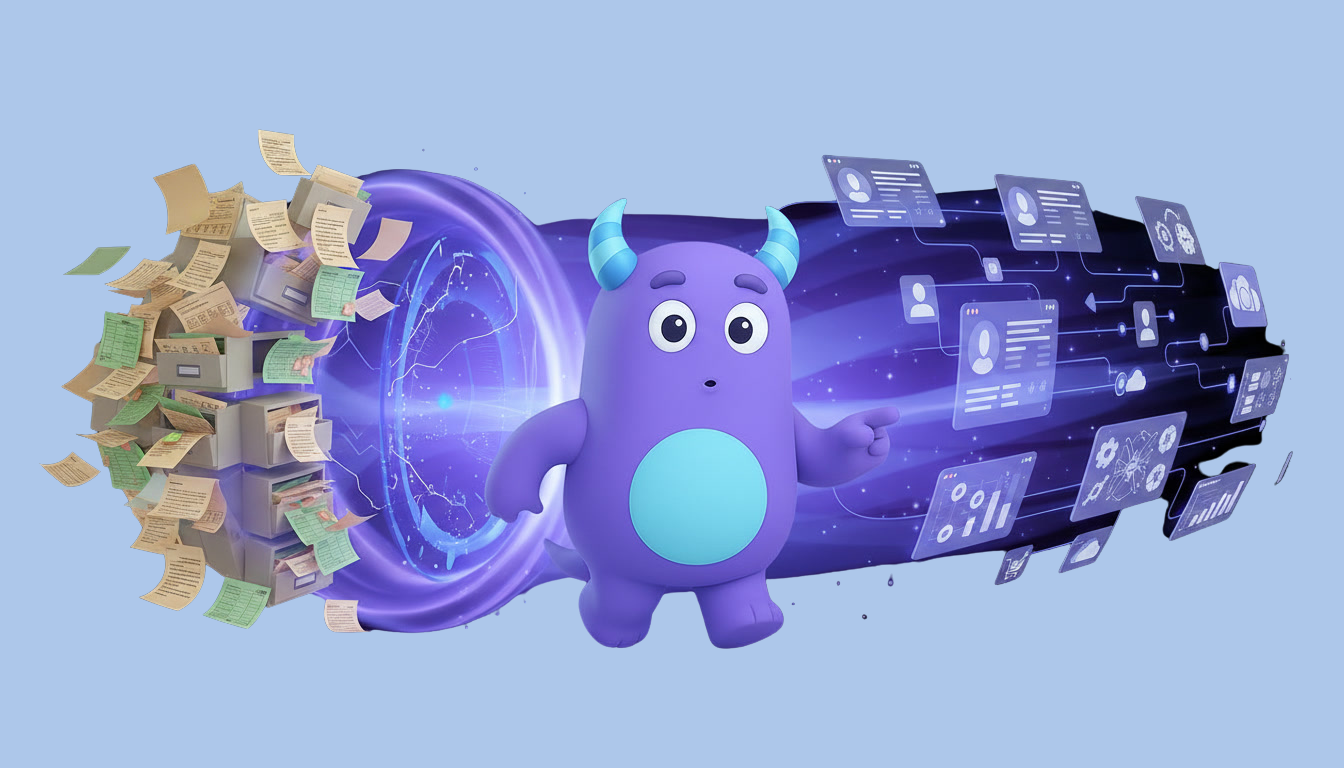
Без системи все починає руйнуватися. Інформація стає розрізненою, завдання забуваються, а обов'язки стають незрозумілими. Команда витрачає більше часу на управління хаосом, ніж на фактичну роботу.
Це точка, в якій багато підприємств застряють. Вони намагаються вирішити проблеми, більше працюючи, наймаючи більше людей або додаючи більше інструментів. Але жодне з цих рішень не вирішує реальну проблему.
Реальна проблема не в обсязі роботи — це відсутність систем.
Прихована вартість хаосу
Бізнес-хаос — це не просто незручність. Він має прямий вплив на дохід, зростання та досвід клієнтів.
Коли процеси неструктуровані, потенційні клієнти не отримують послідовного зворотного зв'язку. Це означає втрачені можливості продажів. Коли комунікація дезорганізована, клієнти отримують повільні або непослідовні відповіді. Це шкодить довірі та зменшує утримання.
Внутрішньо хаос створює стрес і знижує продуктивність. Члени команди не знають, що пріоритезувати, завдання перекриваються, і помилки стають більш частими.
З часом ці проблеми посилюються. Бізнес, можливо, все ще рухається вперед, але робить це неефективно. Зростання стає повільнішим, дорожчим і важчим в управлінні.
Чому наполеглива праця не є рішенням
Одна з найпоширеніших помилок, які роблять власники бізнесу, — це віра в те, що хаос можна вирішити, більше працюючи. Вони намагаються обробляти більше завдань, швидше реагувати та залишатися більш організованими вручну.
Цей підхід працює тимчасово, але він не масштабується. У міру зростання бізнесу обсяг роботи зростає швидше, ніж можливості власника.
Зрештою, це призводить до вигорання. Бізнес стає залежним від постійних зусиль, а не від структурованих систем.
Успішний бізнес не покладається лише на зусилля. Вони покладаються на системи, які забезпечують послідовність та ефективність.
Що насправді означають бізнес-системи
Система — це просто структурований спосіб робити щось повторювано.
Замість того, щоб обробляти завдання вручну щоразу, система визначає, як завдання повинні бути виконані, хто несе відповідальність і що відбувається далі.
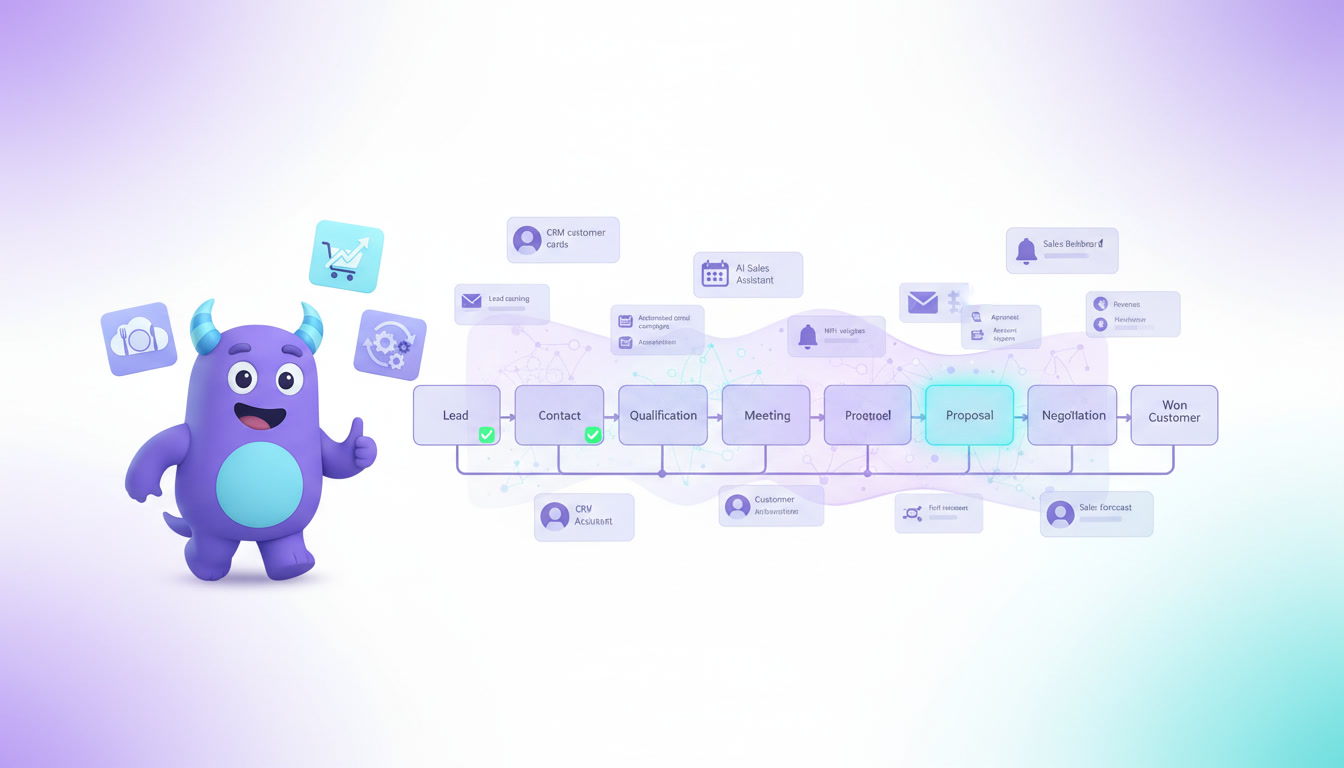
Наприклад, замість того, щоб вручну відстежувати потенційних клієнтів, система автоматично записує нових потенційних клієнтів, призначає їх члену команди та планує подальші дії.
Це усуває невизначеність і гарантує, що кожен крок буде виконано послідовно.
Як системи трансформують бізнес
Коли бізнес впроваджує системи, все змінюється.
Робота стає передбачуваною. Завдання виконуються вчасно. Комунікація покращується. Команда точно знає, що робити і коли це робити.
Замість того, щоб реагувати на проблеми, бізнес працює проактивно. Проблеми запобігаються до їх виникнення.
Найголовніше, системи роблять бізнес масштабованим. Зростання більше не створює хаос — воно підтримується структурою.
Як виправити бізнес-хаос крок за кроком
Виправлення хаосу не вимагає повної трансформації за одну ніч. Все починається з визначення найважливіших проблем і побудови простих систем навколо них.
Перший крок — визначити, де існує хаос. Це може бути у продажах, комунікації, управлінні завданнями або подальших діях з клієнтами.
Другий крок — визначити чіткі процеси. Що відбувається, коли надходить потенційний клієнт? Що відбувається після закриття угоди? Хто відповідає за кожен крок?
Третій крок — впровадити інструменти, які підтримують ці процеси. Тут системи CRM стають важливими.
Система CRM дозволяє підприємствам структурувати робочі процеси, автоматизувати завдання та централізувати інформацію. Замість того, щоб покладатися на ручну координацію, система гарантує, що все працює безперебійно.
Чому системи CRM є основою порядку
Для більшості малих підприємств найбільшим джерелом хаосу є управління клієнтами та потенційними клієнтами. Без центральної системи інформація розкидана по електронних листах, повідомленнях і нотатках.
CRM вирішує цю проблему, збираючи все в одному місці. Вона відстежує кожну взаємодію, керує кожним потенційним клієнтом і гарантує, що жодна можливість не буде втрачена.
Що ще важливіше, сучасні системи CRM дозволяють підприємствам автоматизувати робочі процеси. Це означає, що завдання створюються автоматично, планується подальша робота, а процеси виконуються без ручного введення.
Платформи, такі як Lua CRM, розроблені спеціально для цієї мети. Вони дозволяють підприємствам перейти від хаосу до структурованих систем, поєднуючи CRM, автоматизацію та управління робочими процесами в одній платформі.
Замість того, щоб використовувати кілька інструментів і керувати всім вручну, підприємства можуть працювати через єдину систему, яка підтримує все в порядку.
Реальний перехід: від хаосу до контролю
Різниця між хаотичними та успішними підприємствами полягає не в зусиллях — це структура.
Коли системи на місці, бізнесом стає легше керувати. Зростання стає передбачуваним. Команда стає більш продуктивною.
Найголовніше, власник більше не перевантажений щоденними операціями.
Замість того, щоб постійно реагувати на проблеми, бізнес працює плавно та послідовно.
Наостанок
Якщо ваш бізнес відчувається хаотичним і неструктурованим, можливо, настав час впровадити систему. Ознайомтеся з Lua CRM і подивіться, як ви можете організувати свої робочі процеси та ефективно масштабуватися.
Виявляючи неефективність, будуючи структуровані процеси та використовуючи правильні інструменти, ви можете перетворити свій бізнес на добре організовану, масштабовану операцію.
Мета полягає не в тому, щоб усунути роботу — це усунути хаос.
І єдиний спосіб зробити це — через системи.
.jpg)

.jpg)