.jpg)
Paljud ettevõtete omanikud kogevad sama frustreerivat tunnet: olenemata sellest, kui palju nad ka ei töötaks, tundub nende ettevõte ikka kaootiline. Ülesanded kuhjuvad, sõnumid jäävad kahe silma vahele, klientidega ei tegeleta korralikult ja meeskond näib pidevalt hõivatud, kuid mitte tegelikult produktiivne.
Alguses võib see kaos tunduda loomuliku osana kasvust. Kuid tegelikult ei ole see kasv – see on struktuuri puudumine. Ja kui seda ei parandata, saab sellest üks peamisi põhjuseid, miks ettevõtted ei suuda laieneda.
Tõde on lihtne: ettevõtted ei saa edukaks seetõttu, et inimesed töötavad rohkem. Nad saavad edukaks seetõttu, et nad ehitavad süsteeme, mis töötavad järjepidevalt.
Miks ettevõtted muutuvad kaootiliseks
Kaos ettevõttes ei teki äkki. See ehitatakse aja jooksul üles, kui toimingud kasvavad ilma korraliku struktuurita.
Alguses on kõik lihtne. Mõned kliendid, mõned ülesanded ja otsekommunikatsioon. Kuid ettevõtte kasvades suureneb keerukus. Sisse tuleb rohkem müügivihjeid, rohkem ülesandeid tuleb käsitleda ja kasutatakse rohkem suhtluskanaleid.
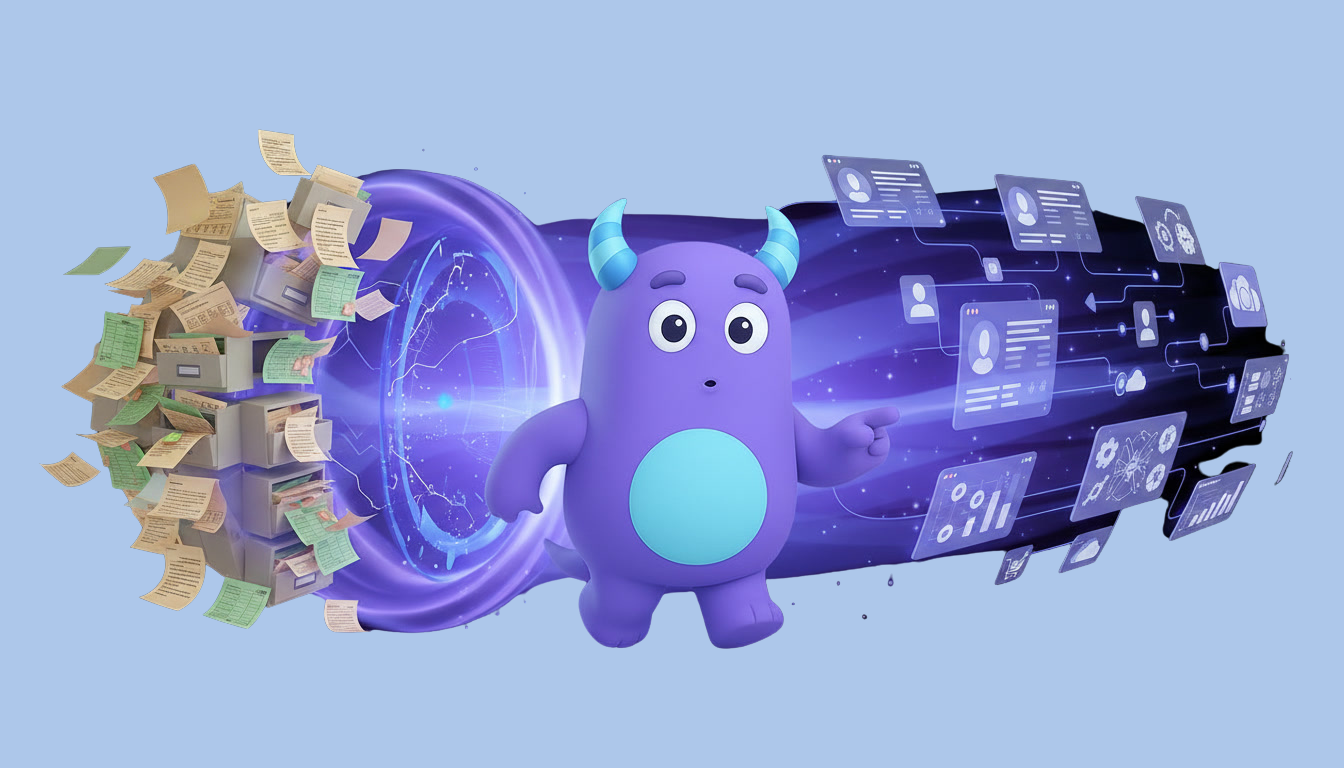
Ilma süsteemita hakkab kõik lagunema. Teave hajub, ülesanded ununevad ja kohustused muutuvad ebaselgeks. Meeskond kulutab rohkem aega kaose haldamisele kui tegelikult töötamisele.
See on punkt, kus paljud ettevõtted jäävad kinni. Nad püüavad probleeme lahendada rohkem töötades, rohkem inimesi palkades või rohkem tööriistu lisades. Kuid ükski neist lahendustest ei käsitle tegelikku probleemi.
Tegelik probleem ei ole töökoormus – see on süsteemide puudumine.
Kaose varjatud hind
Ettevõtte kaos ei ole lihtsalt ebamugav. Sellel on otsene mõju tuludele, kasvule ja kliendikogemusele.
Kui protsessid on struktureerimata, ei tegeleta müügivihjetega järjepidevalt. See tähendab kaotatud müügivõimalusi. Kui suhtlus on korrastamata, saavad kliendid aeglaseid või ebaühtlaseid vastuseid. See kahjustab usaldust ja vähendab klientide hoidmist.
Sisemiselt tekitab kaos stressi ja vähendab tootlikkust. Meeskonnaliikmed ei tea, mida prioriseerida, ülesanded kattuvad ja vead muutuvad sagedasemaks.
Aja jooksul need probleemid süvenevad. Ettevõte võib ikka edasi liikuda, kuid see toimub ebaefektiivselt. Kasv muutub aeglasemaks, kallimaks ja raskemini hallatavaks.
Miks raske töö ei ole lahendus
Üks levinumaid vigu, mida ettevõtete omanikud teevad, on usk, et kaost saab lahendada rohkem töötades. Nad püüavad käsitleda rohkem ülesandeid, vastata kiiremini ja olla käsitsi paremini organiseeritud.
See lähenemisviis töötab ajutiselt, kuid see ei ole skaleeritav. Ettevõtte kasvades suureneb töökoormus kiiremini kui omaniku võimekus.
lõpuks viib see läbipõlemiseni. Ettevõte muutub sõltuvaks pidevast pingutusest, mitte struktureeritud süsteemidest.
Edukad ettevõtted ei tugine ainult pingutustele. Nad tuginevad süsteemidele, mis tagavad järjepidevuse ja tõhususe.
Mida ettevõtte süsteemid tegelikult tähendavad
Süsteem on lihtsalt struktureeritud viis midagi korduvalt teha.
Selle asemel, et ülesandeid iga kord käsitsi käsitleda, määratleb süsteem, kuidas ülesandeid tuleks täita, kes on vastutav ja mis edasi saab.
Näiteks selle asemel, et müügivihjeid käsitsi jälgida, salvestab süsteem automaatselt uued müügivihjed, määrab need meeskonnaliikmele ja ajastab järeltegevused.
See kõrvaldab oletused ja tagab, et iga samm viiakse lõpule järjepidevalt.
Kuidas süsteemid ettevõtet muudavad
Kui ettevõte rakendab süsteeme, muutub kõik.
Töö muutub prognoositavaks. Ülesanded viiakse lõpule õigeaegselt. Suhtlus paraneb. Meeskond teab täpselt, mida teha ja millal seda teha.
Selle asemel, et probleemidele reageerida, tegutseb ettevõte ennetavalt. Probleeme ennetatakse enne nende tekkimist.
Kõige tähtsam on see, et süsteemid muudavad ettevõtte skaleeritavaks. Kasv ei tekita enam kaost – seda toetab struktuur.
Kuidas ettevõtte kaost samm-sammult parandada
Kaose parandamine ei nõua täielikku ümberkujundamist üleöö. See algab kõige kriitilisemate probleemide tuvastamisest ja nende ümber lihtsate süsteemide ehitamisest.
Esimene samm on tuvastada, kus kaos eksisteerib. See võib olla müügis, suhtluses, ülesannete haldamises või klientide järeltegevustes.
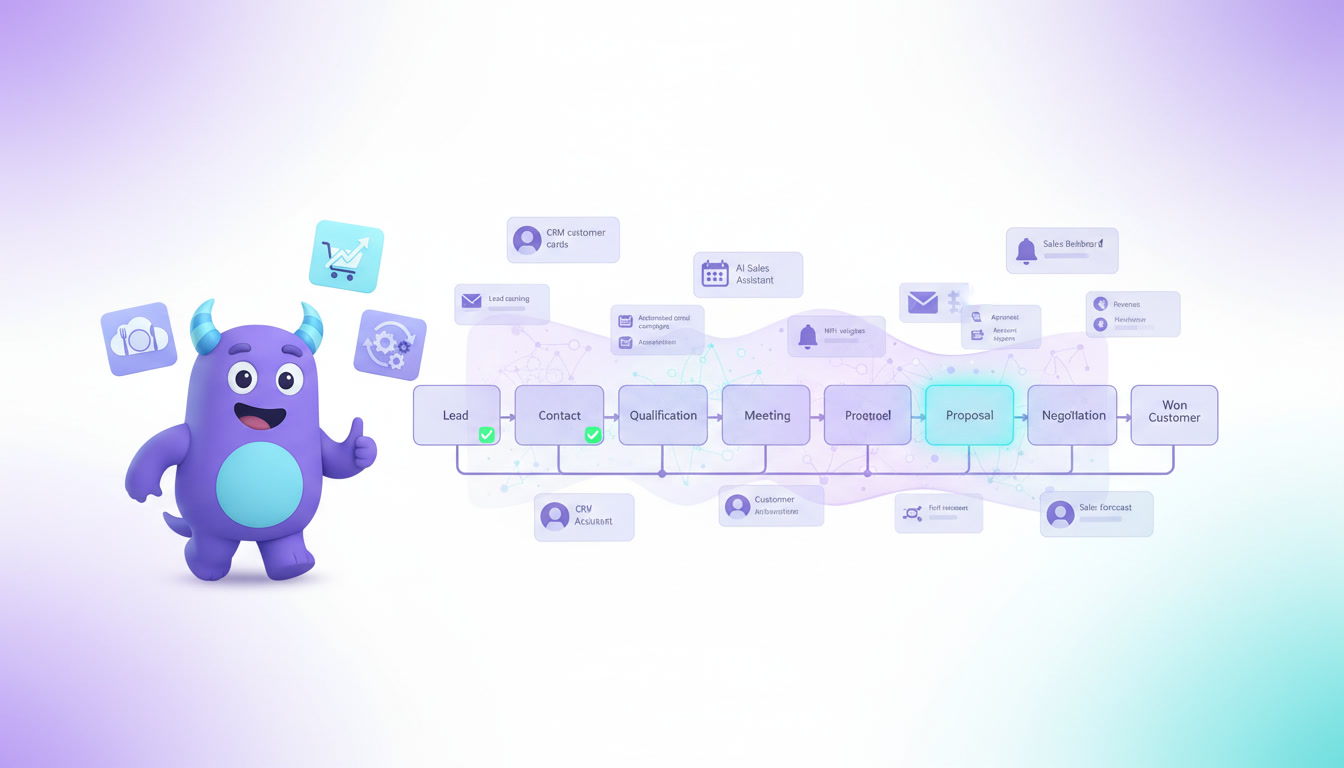
Teine samm on selgete protsesside määratlemine. Mis juhtub, kui müügivihje sisse tuleb? Mis juhtub pärast tehingu sõlmimist? Kes vastutab iga sammu eest?
Kolmas samm on rakendada tööriistu, mis neid protsesse toetavad. Siin muutuvad CRM-süsteemid hädavajalikuks.
CRM-süsteem võimaldab ettevõtetel struktureerida töövooge, automatiseerida ülesandeid ja tsentraliseerida teavet. Selle asemel, et loota käsitsi koordineerimisele, tagab süsteem, et kõik toimib sujuvalt.
Miks CRM-süsteemid on korra alus
Enamiku väikeste ettevõtete jaoks on suurim kaose allikas klientide ja müügivihjete haldamine. Ilma tsentraalse süsteemita on teave hajutatud e-kirjade, sõnumite ja märkmete vahel.
CRM lahendab selle, tuues kõik ühte kohta. See jälgib iga suhtlust, haldab iga müügivihjet ja tagab, et ükski võimalus ei lähe kaduma.
Veelgi olulisem on see, et kaasaegsed CRM-süsteemid võimaldavad ettevõtetel automatiseerida töövooge. See tähendab, et ülesanded luuakse automaatselt, järeltegevused ajastatakse ja protsessid toimivad ilma käsitsi sisestuseta.
Platvormid nagu Lua CRM on loodud spetsiaalselt selleks otstarbeks. Need võimaldavad ettevõtetel liikuda kaosest struktureeritud süsteemidele, ühendades CRM-i, automatiseerimise ja töövoo haldamise ühel platvormil.
Selle asemel, et kasutada mitut tööriista ja hallata kõike käsitsi, saavad ettevõtted tegutseda ühe süsteemi kaudu, mis hoiab kõik korras.
Tegelik nihe: kaosest kontrolli alla
Erinevus kaootiliste ja edukate ettevõtete vahel ei ole pingutus – see on struktuur.
Kui süsteemid on paigas, muutub ettevõtte haldamine lihtsamaks. Kasv muutub prognoositavaks. Meeskond muutub produktiivsemaks.
Kõige tähtsam on see, et omanik ei ole enam igapäevatoimingutest üle koormatud.
Selle asemel, et pidevalt probleemidele reageerida, toimib ettevõte sujuvalt ja järjepidevalt.
Lõppmõtted
Kui teie ettevõte tundub kaootiline ja struktureerimata, võib olla aeg süsteem rakendada. Uurige Lua CRM-i ja vaadake, kuidas saate oma töövooge korraldada ja tõhusalt skaleerida.
Tuvastades ebatõhusused, ehitades struktureeritud protsesse ja kasutades õigeid tööriistu, saate muuta oma ettevõtte hästi organiseeritud ja skaleeritavaks toiminguks.
eesmärk ei ole töö kaotamine – see on kaose kaotamine.
ja ainus viis seda teha on süsteemide kaudu.
.jpg)

.jpg)