يُعد اختيار برنامج CRM المناسب أحد أهم القرارات لأي شركة في عام 2026. مع ازدياد المنافسة وتزايد توقعات العملاء، تحتاج الشركات إلى أنظمة تساعدها على البقاء منظمة، والاستجابة بشكل أسرع، وبناء علاقات أقوى.
لم يعد نظام CRM مجرد قاعدة بيانات لجهات الاتصال. تجمع منصات CRM الحديثة بين المبيعات والتسويق والأتمتة والتحليلات والاتصالات في نظام مركزي واحد.
في هذا الدليل المفصل، سنستكشف أفضل برامج CRM المتاحة اليوم، ونقارن بين ميزاتها، ونساعدك على اختيار الحل المناسب لعملك.
ما هو برنامج CRM؟
برنامج CRM (إدارة علاقات العملاء) هو نظام يساعد الشركات على إدارة التفاعلات مع العملاء المحتملين والعملاء الحاليين طوال دورة حياتهم بأكملها.
يسمح للشركات بتخزين البيانات وتتبع الاتصالات وإدارة مسارات المبيعات وأتمتة العمليات.
بدلاً من استخدام أدوات متعددة، يمكن للشركات تركيز كل شيء في منصة واحدة.
لماذا يعتبر CRM ضروريًا في عام 2026
في بيئة الأعمال اليوم، السرعة والتنظيم أمران بالغا الأهمية. يتوقع العملاء استجابات سريعة واتصالات مخصصة وتجارب سلسة.
بدون نظام CRM، تصبح إدارة العملاء المحتملين والعملاء الحاليين فوضوية.
تساعد أنظمة CRM الشركات على:
- تتبع كل عميل محتمل وعميل حالي
- تحسين التواصل
- أتمتة المهام المتكررة
- زيادة معدلات التحويل
- توسيع نطاق العمليات بكفاءة
الميزات الرئيسية التي يجب البحث عنها في نظام CRM
ليست كل أنظمة CRM متشابهة. يعتمد اختيار النظام المناسب على احتياجاتك.
تشمل الميزات الهامة:
- إدارة العملاء المحتملين وجهات الاتصال
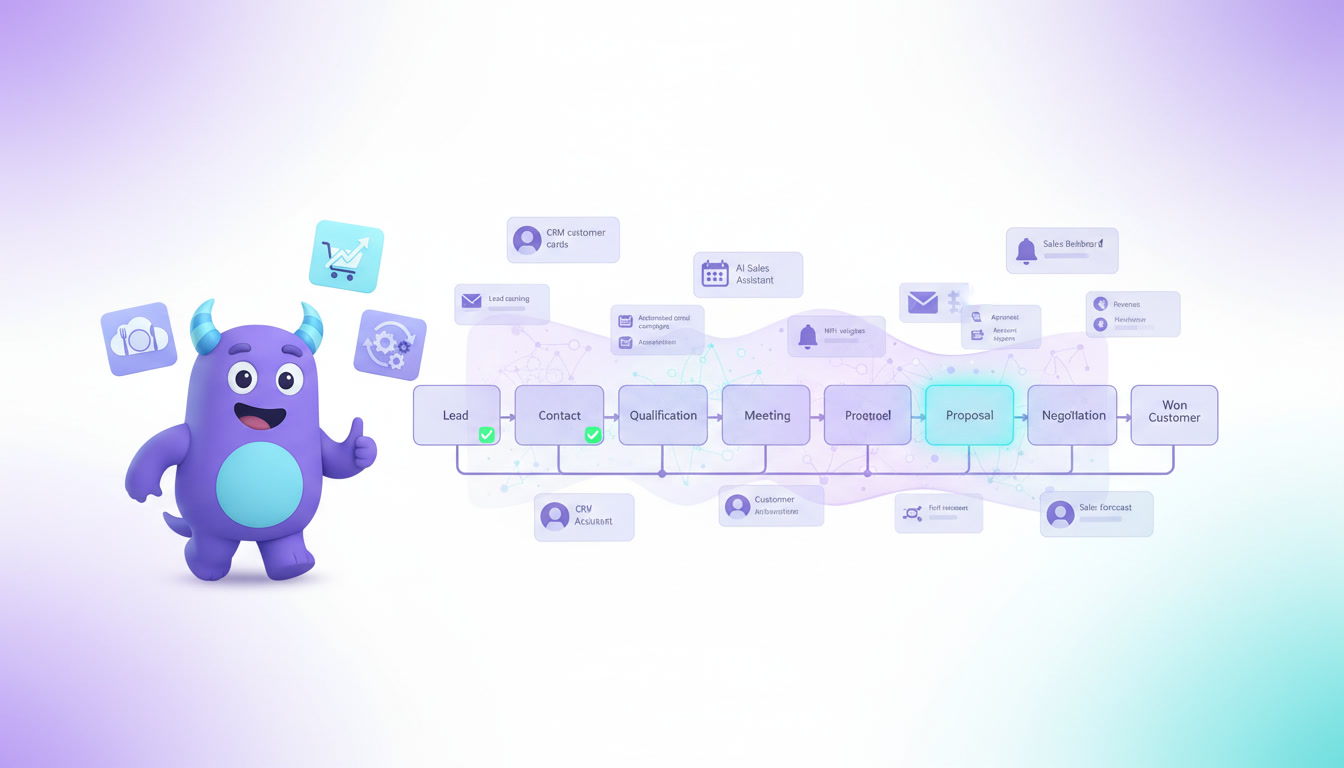
- تصور مسار المبيعات
- أتمتة سير العمل
- إدارة المهام والفريق
- إعداد التقارير والتحليلات
- إمكانيات التكامل
- سهولة الاستخدام
أفضل CRM هو الذي يناسب سير عملك، وليس الذي يحتوي على أكبر عدد من الميزات.
أفضل برامج CRM في عام 2026 (مقارنة تفصيلية)
1. Lua CRM
Lua CRM هي منصة حديثة وشاملة مصممة لمساعدة الشركات على إدارة سير العمل بأكمله في مكان واحد. على عكس أنظمة CRM التقليدية، تركز على الجمع بين عمليات تجارية متعددة في نظام واحد.
تسمح للشركات بإدارة العملاء المحتملين وأتمتة سير العمل وتتبع المهام وتحليل الأداء دون الحاجة إلى التبديل بين أدوات مختلفة.
إحدى المزايا الرئيسية لـ Lua CRM هي مرونتها. يمكن للشركات تخصيص العمليات وفقًا لاحتياجاتها وإنشاء قواعد أتمتة تقلل من العمل اليدوي.
وهذا يجعلها مفيدة بشكل خاص للشركات التي تعتمد على الخدمات والوكالات والشركات التي لديها سير عمل معقد.
- الأفضل لـ: إدارة الأعمال الشاملة
- الميزات الرئيسية: CRM، والأتمتة، وإدارة المهام، والتحليلات، وأدوات الذكاء الاصطناعي
- الميزة: استبدال أدوات متعددة بنظام واحد
2. HubSpot CRM
يشتهر HubSpot CRM بسهولة استخدامه وخطته المجانية. إنه خيار شائع للشركات الناشئة والشركات الصغيرة.
يوفر أدوات التسويق والمبيعات والخدمات في نظام بيئي واحد.
- الأفضل لـ: المبتدئين والفرق الصغيرة
- الميزات الرئيسية: تتبع البريد الإلكتروني، والأتمتة، وأدوات التسويق
3. Salesforce
Salesforce هي واحدة من أقوى منصات CRM المتاحة. يوفر تخصيصًا وقابلية توسع متقدمة.
ومع ذلك، يمكن أن يكون معقدًا ومكلفًا للشركات الصغيرة.
- الأفضل لـ: المؤسسات الكبيرة
- الميزات الرئيسية: التحليلات المتقدمة، والتكاملات، وقابلية التوسع
4. Zoho CRM
يوفر Zoho CRM توازنًا جيدًا بين القدرة على تحمل التكاليف والوظائف. إنه مناسب للشركات المتنامية.
- الأفضل لـ: الشركات الصغيرة والمتوسطة
- الميزات الرئيسية: الأتمتة، وإعداد التقارير، والتكاملات
5. Pipedrive
يركز Pipedrive على إدارة مسار المبيعات. إنه بسيط وسهل الاستخدام.
- الأفضل لـ: فرق المبيعات
- الميزات الرئيسية: تتبع مسار المبيعات، وإدارة الصفقات
6. Freshsales
يجمع Freshsales بين CRM وأدوات الاتصال مثل البريد الإلكتروني والمكالمات.
- الأفضل لـ: الشركات الصغيرة والمتوسطة
- الميزات الرئيسية: أدوات الاتصال، والأتمتة
7. Monday CRM
يقدم Monday CRM نهجًا مرئيًا لإدارة سير العمل والمشاريع.
- الأفضل لـ: الفرق التي تحتاج إلى المرونة
- الميزات الرئيسية: اللوحات المرئية، والأتمتة
8. Insightly
يركز Insightly على إدارة المشاريع جنبًا إلى جنب مع وظائف CRM.
- الأفضل لـ: الشركات القائمة على المشاريع
- الميزات الرئيسية: تتبع المشاريع، CRM
9. Close CRM
تم تصميم Close CRM لفرق المبيعات التي تعتمد على التواصل.
- الأفضل لـ: المبيعات الداخلية
- الميزات الرئيسية: المكالمات، وأتمتة البريد الإلكتروني
10. Bitrix24
يقدم Bitrix24 مجموعة واسعة من الأدوات بما في ذلك CRM والاتصالات والتعاون.
- الأفضل لـ: المنصات الشاملة
- الميزات الرئيسية: CRM، والدردشة، وأدوات المشاريع
كيفية اختيار CRM المناسب لعملك
يعتمد اختيار CRM على حجم عملك وعملياته وأهدافه.
اسأل نفسك:
- هل تحتاج إلى ميزات بسيطة أم متقدمة؟
- هل تريد نظامًا شاملاً؟
- كم عدد المستخدمين الذين سيستخدمون CRM؟
الخيار الأفضل هو الذي يناسب سير عملك ويدعم نموك.
أخطاء CRM الشائعة التي يجب تجنبها
تختار العديد من الشركات أدوات معقدة للغاية أو غير متوافقة مع احتياجاتها.
تشمل الأخطاء الأخرى:
- عدم تدريب الفريق
- استخدام أدوات متعددة غير متصلة
- عدم استخدام الأتمتة
تجنب هذه الأخطاء يحسن الكفاءة.
لماذا أنظمة CRM الشاملة هي المستقبل
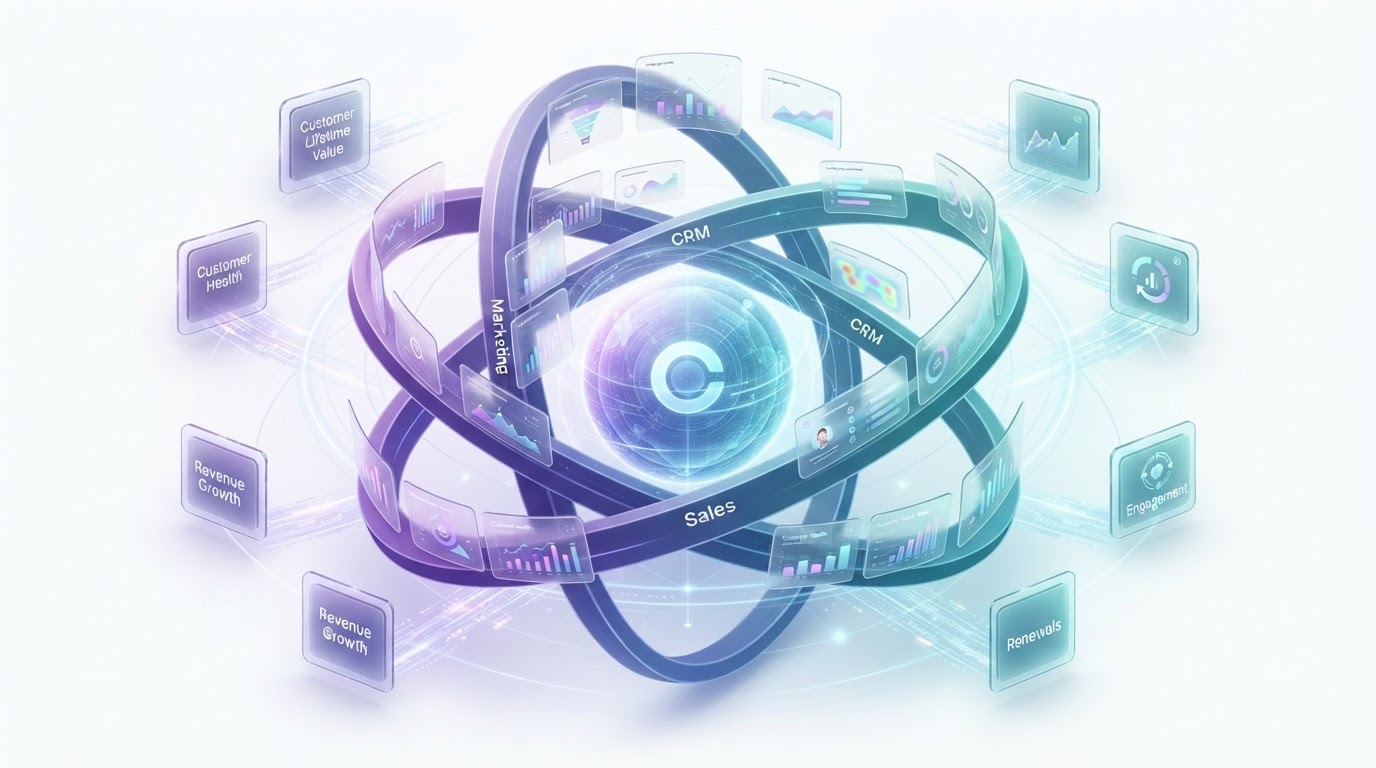
تتجه الشركات نحو المنصات التي تجمع بين أدوات متعددة في نظام واحد.
يؤدي استخدام العديد من الأدوات إلى تعقيد الأمور ويقلل من الكفاءة.
تعمل الأنظمة الشاملة على تبسيط العمليات وتحسين الإنتاجية.
تمثل منصات مثل Lua CRM هذا التحول من خلال الجمع بين CRM والأتمتة والعمليات التجارية في منصة واحدة.
الأفكار النهائية
يعد برنامج CRM ضروريًا لإدارة العملاء المحتملين وتحسين علاقات العملاء وتوسيع نطاق عملك.
من خلال اختيار CRM المناسب، يمكنك بناء نظام منظم يحسن الكفاءة ويدفع النمو.
المفتاح هو اختيار منصة تناسب احتياجاتك وتدعم استراتيجيتك طويلة المدى.
.jpg)
.jpg)