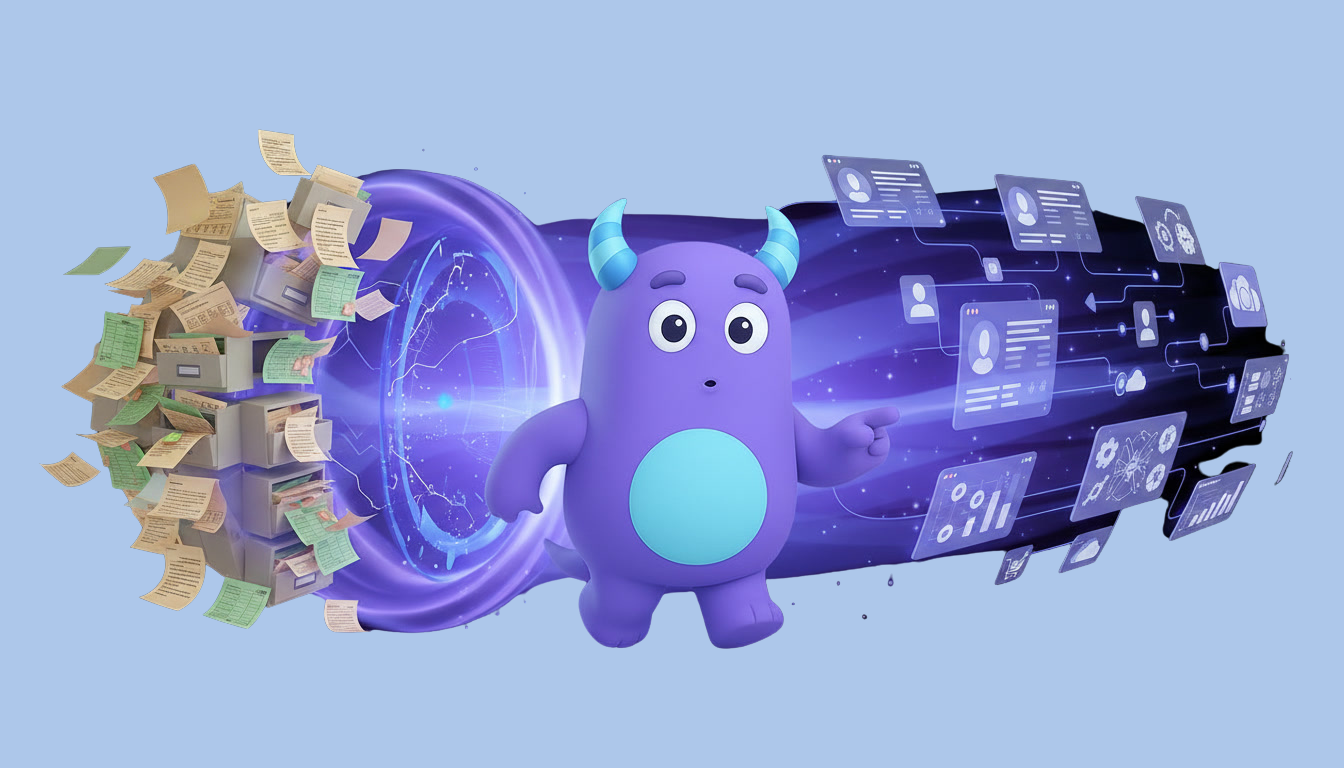
Hyzmat edýän kärhanalaryň köpüsi bir gijede ERP-e geçmeýär. Syýahat köplenç belli bir meseleleri çözmek üçin wagtyň geçmegi bilen goşulan gurallaryň köpelmegi bilen başlaýar. Meýilleşdiriş platformasy bellikleri dolandyrmaga kömek edýär. Buhgalteriýa programma üpjünçiligi hasap-fakturalary dolandyrýar. CRM müşderileriň hasabyny saklaýar. Taslama programma üpjünçiligi eltip bermegi guraýar. Her bir ulgam özbaşdak gowy işleýär we birnäçe wagtlap bu kombinasiýa ýeterlik ýaly görünýär.
Ahyrsoňy, emma jaýryklar görünip başlaýar. Toparlar ulgamlar arasynda maglumatlary göçürmek üçin köp wagt sarp edýärler. Menejerler hasabatlary ylalaşdyrmak üçin hasaplaýyş tablisalaryna daýanýarlar. Maliýe netijeleri hakyky işden yza galýar. “Haýsy taslamalar girdejili?” ýa-da “Indiki aýda ýeterlik kuwwatymyz barmy?” ýaly soraglara çalt jogap bermek kynlaşýar.
Bu aralyk döwür - kompaniýalar dargadylan gurallar üçin kiçi däl, ýöne entek integrirlenen platformada işlemänkäler - köp liderleriň ERP-e geçiş döwri hökmünde başdan geçirýän zadydyr.
Kärhanalar nädip çylşyrymlylyga geçýärler
ERP-e tarap hereket seýrek ýagdaýda strategiki meýilnama bilen başlaýar. Gaýtam, basyş astynda kabul edilen onlarça amaly çözgüt arkaly bolup geçýär. Tölegleri çaltlandyrmak üçin täze gural kabul edilýär. Müşderi talaplaryny dolandyrmak üçin ýene biri goşulýar. Hasaplaýyş tablisa doly meýilleşdiriş resminamasyna öwrülýär.
Wagtyň geçmegi bilen tehnologiýa toplumy böleklere bölünýär. Maglumatlar birnäçe ýerde ýaşaýar. Toparlaryň arasynda prosesler tapawutlanýar. Hasabatlylyk el işini talap edýär. Işgärler işleri dowam etdirmek üçin şahsy çözgütleri işläp düzýärler.
Ösüş dowam edýän wagty, operasiýa sürtülmeleri arka planda ýuwaşlyk bilen ýokarlanýar. Köplenç ýolbaşçylygyň kompaniýanyň has çalt işleýändigini, ýöne hökmany däl-de, has akylly işleýändigini bilýän pursatydyr.
Ulgamlaryň ýeterlik däldiginiň duýduryş alamatlary
Geçiş döwri, bir gezeklik betbagtçylykdan däl-de, gaýtalanýan alamatlar bilen tapawutlanýar. Toparlar dublikat işden şikaýat edýärler. Maliýe kitaplaryny çalt ýapmak üçin göreşýär. Taslama menejerlerinde hakyky wagtda görünmek ýok. Müşderi soraglaryna jogap berilmezden ozal birnäçe adamyň derňemegini talap edýär.
Maglumatlar dargadylandygy sebäpli çözgüt kabul etmek haýallaýar. Çaklamalar köne sanlara daýanýar. Menejerler meýilnamalarynyň aňyrsynda duran maglumatlara doly ynam etmeýändikleri sebäpli has giňeltmäge çekinýärler.
Bu signallar operasiýa çylşyrymlylygynyň kompaniýanyň ulgamlaryndan geçendigini görkezýär.
Näme üçin ERP strategiki söhbetdeşlige öwrülýär
Bu tapgyrda ERP, programma üpjünçiligini täzelemek däl-de, guramaçylyk üýtgemesi hökmünde ara alnyp maslahatlaşylýar. Liderler has giň soraglary berip başlaýarlar: Prosesleri nädip standartlaşdyrmaly? Maliýe hakyky operasiýa görkezijilerini nädip görkezip biler? Toparlar platformalar arasynda geçmezden nädip hyzmatdaşlyk edip bilerler?
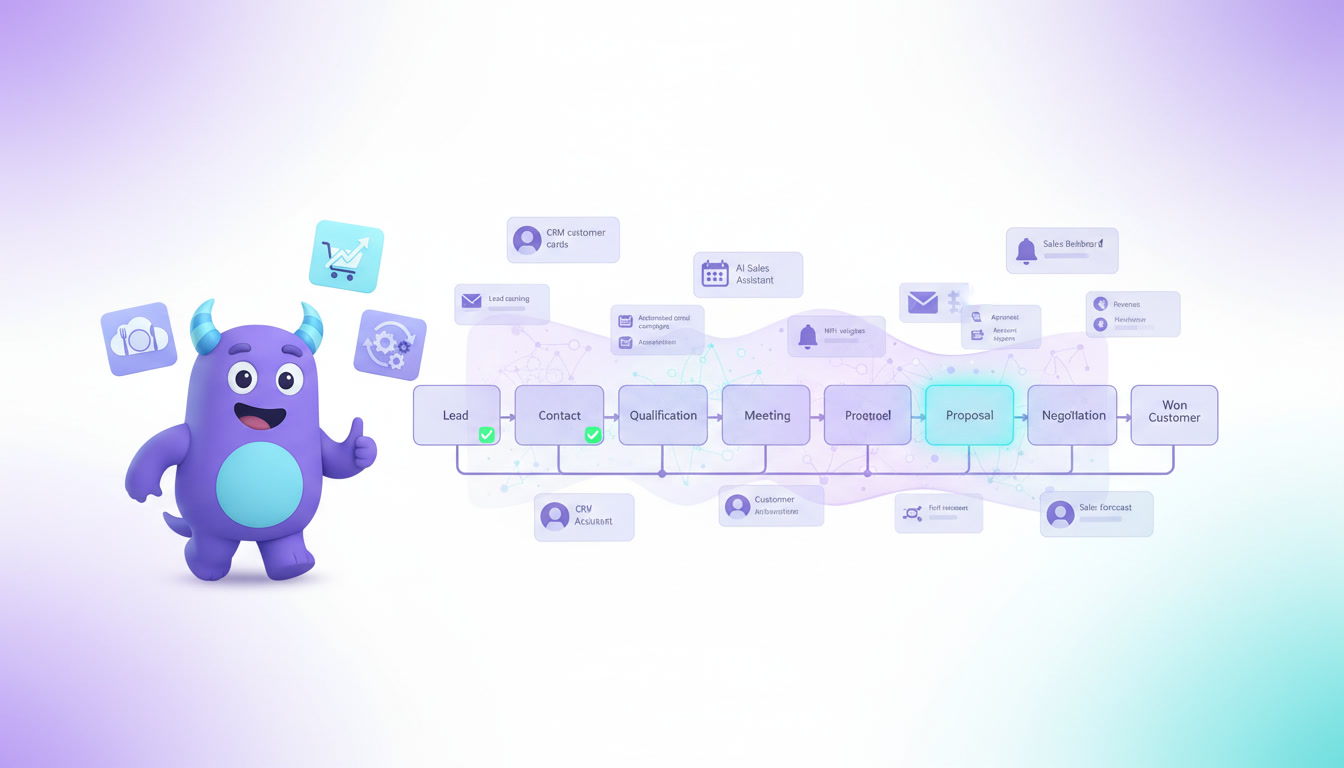
ERP ulgamlary müşderi dolandyryşyny, taslamalary, maliýäni, inwentary, meýilleşdirmegi we hasabatlylygy bir gurşawyň içinde birleşdirip, bu zerurlyklara jogap berýär. Maglumat bölümleriň arasynda awtomatiki usulda geçýär. Bir topar tarapyndan ýerine ýetirilen işler beýleki topar tarapyndan ulanylýan panellere derrew täsir edýär.
Kompaniýalar ýüze çykandan soň meselelere reaksiýa bildirmekden başga, töwekgelçilikleri öňünden görüp, girdejileri gözegçilikde saklap we serişdeleri has akylly paýlap bilýärler.
Kompaniýalaryň taýýarlanmaly operasiýa üýtgeşmeleri
ERP-e tarap hereket etmek diňe bir tehniki çözgüt däl. Guramanyň ähli ýerinde işiň nähili edilýändigini gözden geçirmegi talap edýär. Resmi däl ýagdaýda ösen prosesler indi resmileşdirilmeli. Tassyklama akymlary görünýär. Maglumat kesgitlemeleri standartlaşdyrylmaly.
Bu köplenç el koordinasiýasy bilen öň gizlenen netijesizlikleri ýüze çykarýar. Ilki bilen oňaýsyz bolsa-da, bu düşnüklilik uzak möhletli ululygy üpjün edýär.
Toparlar geçiş tamamlanandan soň ERP-iň gündelik işi ýönekeýleşdirýändigini anyklaýarlar. Az ulgam az giriş diýmekdir. Awomatlaşdyrma gaýtalanýan wezipeleri çalyşýar. Hasabatlylyk el bilen däl-de, derrew bolýar.
Geçiş döwründe töwekgelçiligi dolandyrmak
Kompaniýalaryň ERP-i kabul etmäge çekinmeginiň bir sebäbi, bozulmakdan gorkmakdyr. Liderler işlemegiň togtadylmagyndan, işgärleriň garşylygyndan ýa-da ýitirilen maglumatlardan alada edýärler. Bu töwekgelçilikler hakyky, ýöne seresaplylyk bilen meýilleşdirilip bilner.
Üstünlikli geçişler köplenç häzirki gurallary we prosesleri kartalaşdyrmak, gabat gelýän ýerleri anyklamak we haýsy funksiýalaryň ilki birleşdirilmeli edilmelidigini kesgitlemek bilen başlaýar. Köp hyzmat edýän kärhanalar CRM we maliýe bilen başlaýarlar, soňra taslamalara, operasiýalara we inwentara giňelýärler.
Tapgyrlaýyn durmuşa geçirmek toparlara basyşy azaldýar we gurama birbada däl-de, kem-kemden uýgunlaşmaga mümkinçilik berýär.
Näme üçin hyzmat edýän kärhanalar integrirlenen platformalardan has köp peýdalanýarlar
Hyzmat edýän kompaniýalar fiziki önümçilik liniýalaryndan däl-de, adamlar we utgaşdyrmak arkaly işleýärler. Bu bölümleriň arasynda görünmegi has-da möhüm edýär. Gijikdirilen taslama hasap-faktura täsir edýär. Işgärleriň ýetmezçiligi eltip bermäge täsir edýär. Şertnamanyň üýtgemegi maliýe çaklamalaryny üýtgedýär.
ERP ulgamlary bu gatnaşyklary hakyky wagtda birleşdirip, meýilleşdiriş bilen ýerine ýetirmegiň arasynda sazlaşyk döredýär. Bu integrasiýa ösüşi reaksiýadan gözegçilige öwrýär.
Netije
Dargadylan gurallardan ERP-e geçiş birden bolýan böküş däl, eýsem çylşyrymlylygyň, utgaşdyryş çykdajylarynyň ýokarlanmagynyň we has gowy çözgüt kabul etmegiň zerurlygy bilen şekillendirilen tapgyrdyr. Kompaniýalar bu tapgyra ulgamlary işiň hakykatda nähili işleýändigini görkezmeýän wagtynda ýetýärler.
Geçiş döwrüni ir tanamak, hyzmat edýän kärhanalara operasiýa dartgynlygy krizise öwrülmegine garaşmazdan, işjeň hereket etmäge mümkinçilik berýär. Dogry çemeleşme bilen ERP-i kabul etmek soňky minutda halas ediş çäresi däl-de, durnukly ösüşiň esasyna öwrülýär.
.jpg)

.jpg)