.jpg)
Spreadsheets and standalone tools are often the foundation of early business operations. They are flexible, familiar, and easy to start using. For small teams and simple workflows, they feel efficient and sufficient. In the beginning, they help businesses move fast without the complexity of formal systems.
The problem is not that spreadsheets and tools are bad. The problem is that they are not designed to grow with the business. As operations expand, the limitations of these tools begin to surface slowly, often unnoticed at first.
What once felt like control gradually turns into coordination work. Teams spend more time managing data than using it. Instead of supporting growth, tools begin to resist it.
When Flexibility Turns Into Fragility
One of the biggest advantages of spreadsheets is flexibility. Anyone can edit them, customize formulas, and create new views. However, this flexibility comes at a cost. As more people access the same files, consistency becomes difficult to maintain.
Multiple versions appear. Small changes go undocumented. Errors are introduced without visibility. Over time, teams stop trusting the data completely and start verifying everything manually.
At scale, flexibility without structure becomes fragility. Systems must protect data integrity, not depend on careful behavior.
Disconnected Tools Create Invisible Gaps
Many growing businesses rely on a collection of specialized tools: one for sales, another for tasks, another for finance, and several for communication. Each tool works well on its own, but they rarely reflect the full operational picture together.
Information must be copied between systems manually. Updates lag behind reality. Decisions are made using partial data because no single place shows how everything connects.
These gaps are not always obvious, but they introduce delays, mistakes, and misalignment across teams.
Manual Coordination Becomes the System
When tools are disconnected, people become the system. Managers coordinate through meetings, messages, and reminders. Employees rely on memory instead of workflows. Progress depends on constant communication rather than predictable processes.
This approach does not scale. As teams grow, coordination overhead increases faster than productivity. More effort is required just to keep things moving.
Eventually, the organization spends more energy managing work than delivering value.
Why Reporting Breaks First
One of the earliest casualties of tool-based operations is reporting. Data exists, but it lives in different places. Preparing reports becomes a manual task that takes time and still lacks accuracy.
Reports describe what happened weeks ago instead of what is happening now. Leaders lose the ability to act quickly because insight arrives too late.
Without integrated systems, reporting becomes reactive rather than strategic.
Growth Exposes Structural Weaknesses
As client volume increases, small inefficiencies multiply. Tasks that were once manageable become overwhelming. Processes that relied on informal coordination start to break.
What worked for a small operation no longer supports the complexity of a growing business. The issue is not the people or the workload. It is the mismatch between scale and structure.
This is the moment when spreadsheets and tools stop being helpful and start becoming obstacles.
Why Businesses Delay the Transition
Despite these challenges, many businesses delay moving away from spreadsheets and standalone tools. Familiarity feels safer than change. There is concern about disruption, training, and cost.
However, delaying the transition increases long-term risk. The more data and processes depend on fragile systems, the harder migration becomes later.
What feels like stability is often accumulated technical and operational debt.
Moving From Tools to Systems
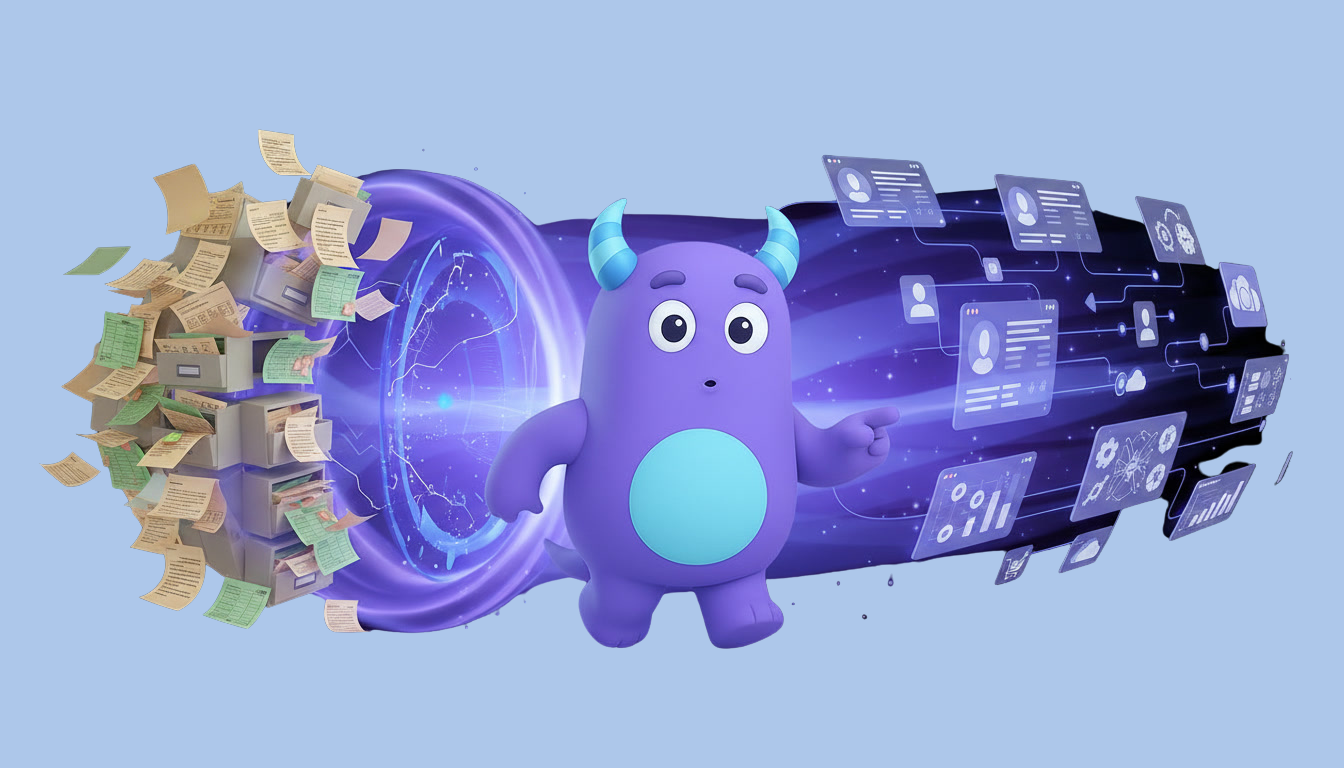
The solution is not adding more tools. It is replacing fragmented workflows with a unified system that reflects how the business actually operates.
Integrated systems provide structure, consistency, and visibility. They reduce manual coordination, protect data integrity, and support real-time decision-making.
When systems grow with the business, teams regain clarity, confidence, and control.
Looking Ahead
Outgrowing spreadsheets and tools is a natural stage of business evolution. Recognizing it early allows companies to transition intentionally rather than reactively.
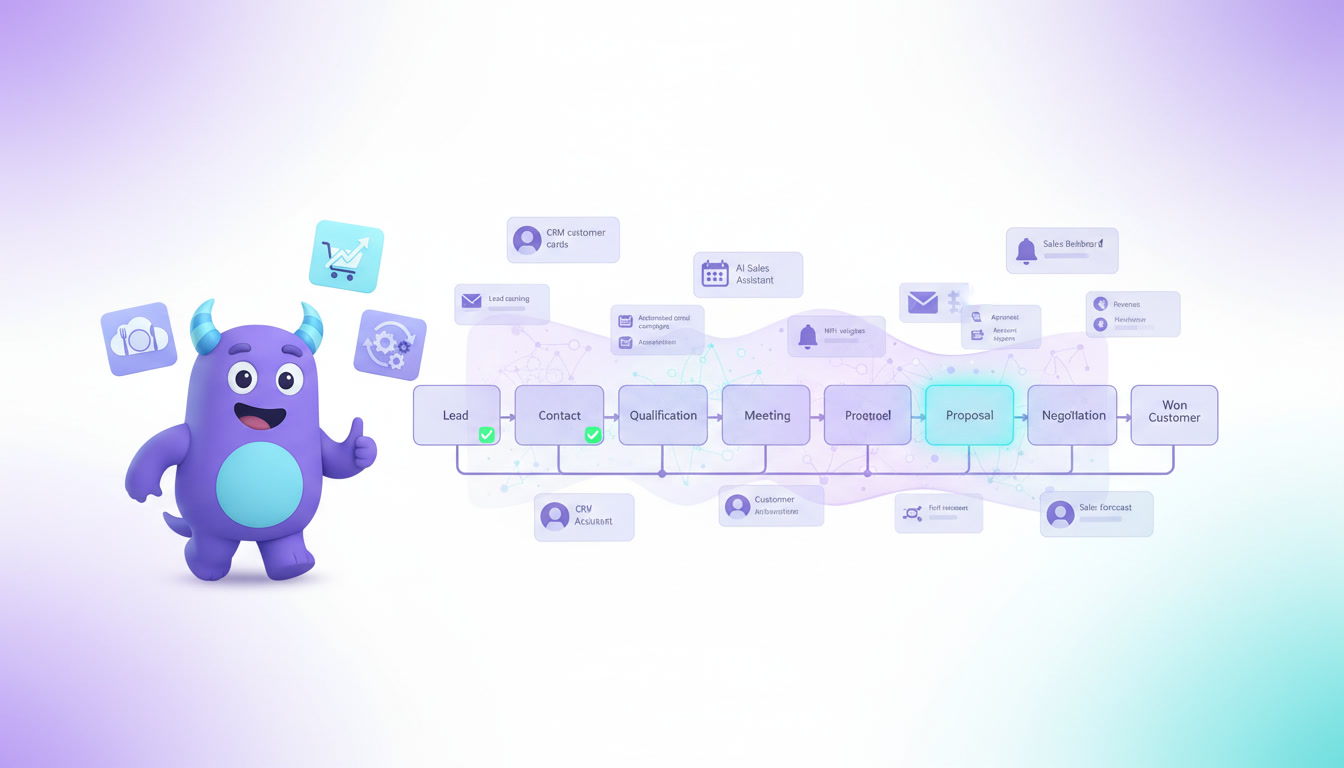
The next step is understanding what kind of system can replace fragmented tools without adding unnecessary complexity. That is where modern ERP platforms come into focus.
.jpg)

.jpg)