As businesses grow, the way they operate inevitably changes. What once could be handled with informal communication, spreadsheets, and a few disconnected tools gradually becomes harder to control. More clients, more transactions, more employees, and more processes introduce complexity that manual systems are not designed to handle.
At a certain point, teams start to feel friction in daily work. Information is stored in different places, numbers do not always match, and managers spend more time checking data than acting on it. This is usually the moment when businesses begin to look for a more structured system.
What ERP Actually Means in Practice
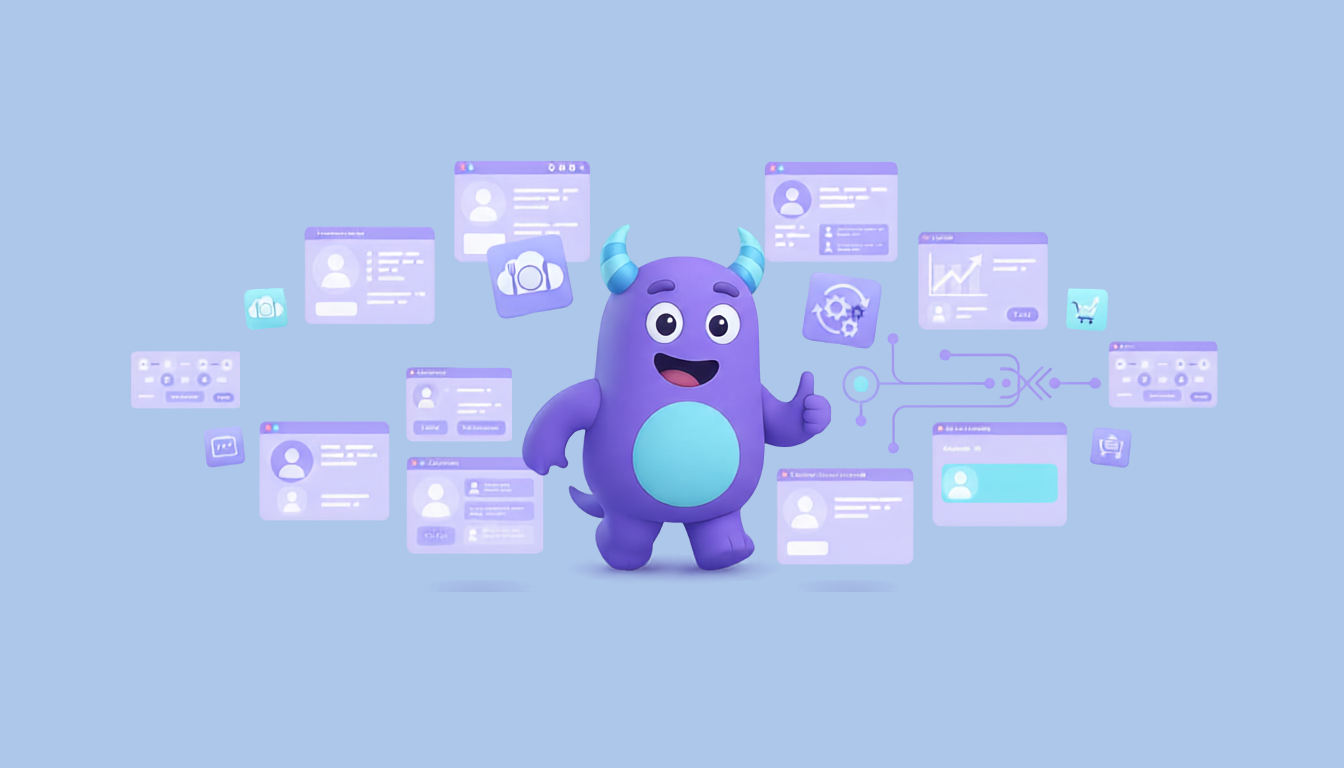
ERP stands for Enterprise Resource Planning. In simple terms, an ERP system is software that connects the main operational parts of a business into one unified platform. Instead of managing finance, operations, inventory, and internal processes separately, ERP brings them together.
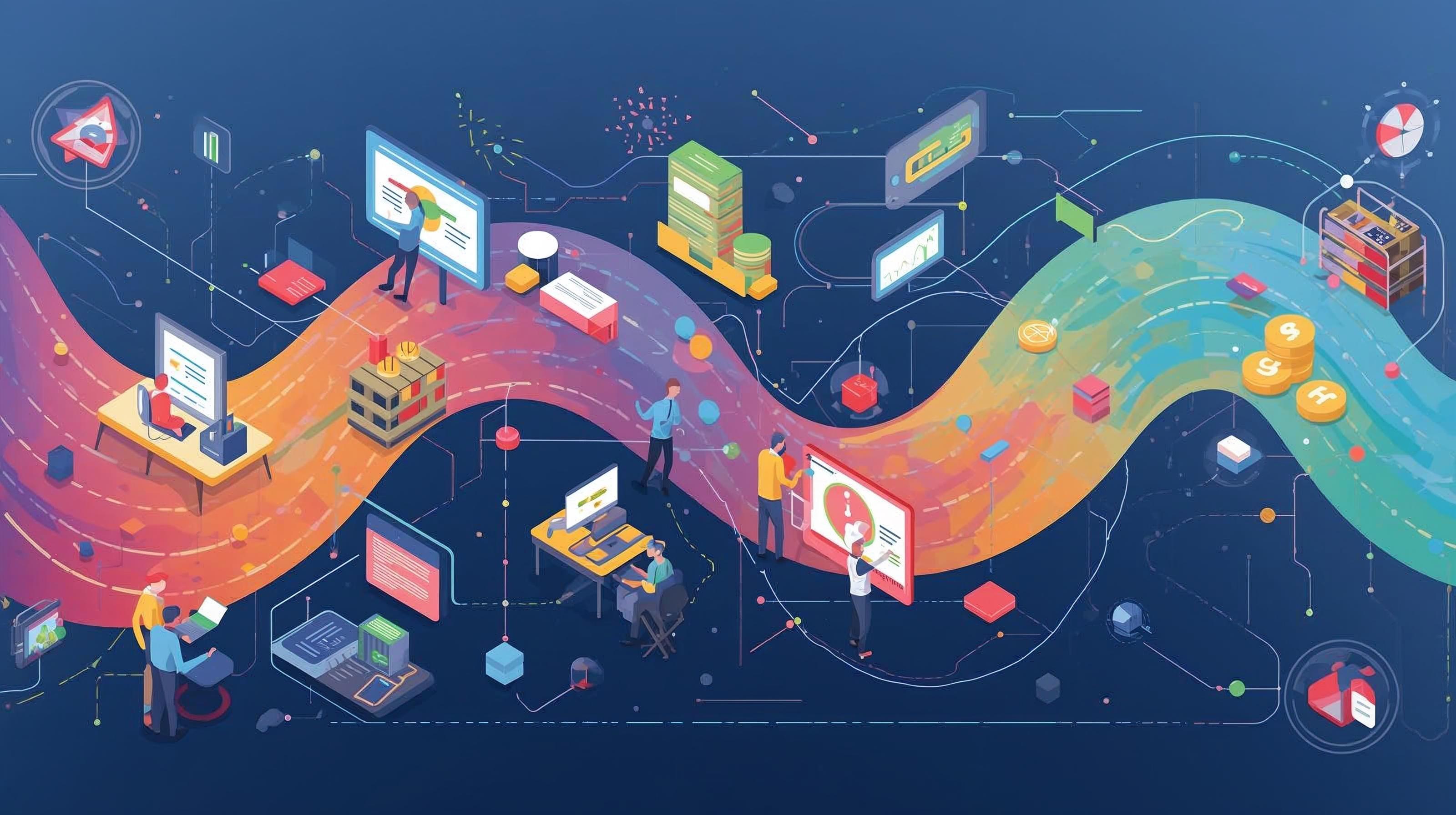
The key idea behind ERP is integration. Every action inside the business affects multiple areas. A sale impacts revenue, costs, inventory, and workload. An ERP system reflects these connections automatically, without relying on manual updates.
Rather than being just another tool, ERP becomes the core system where the business operates on a daily basis.
Why Businesses Outgrow Spreadsheets and Disconnected Tools
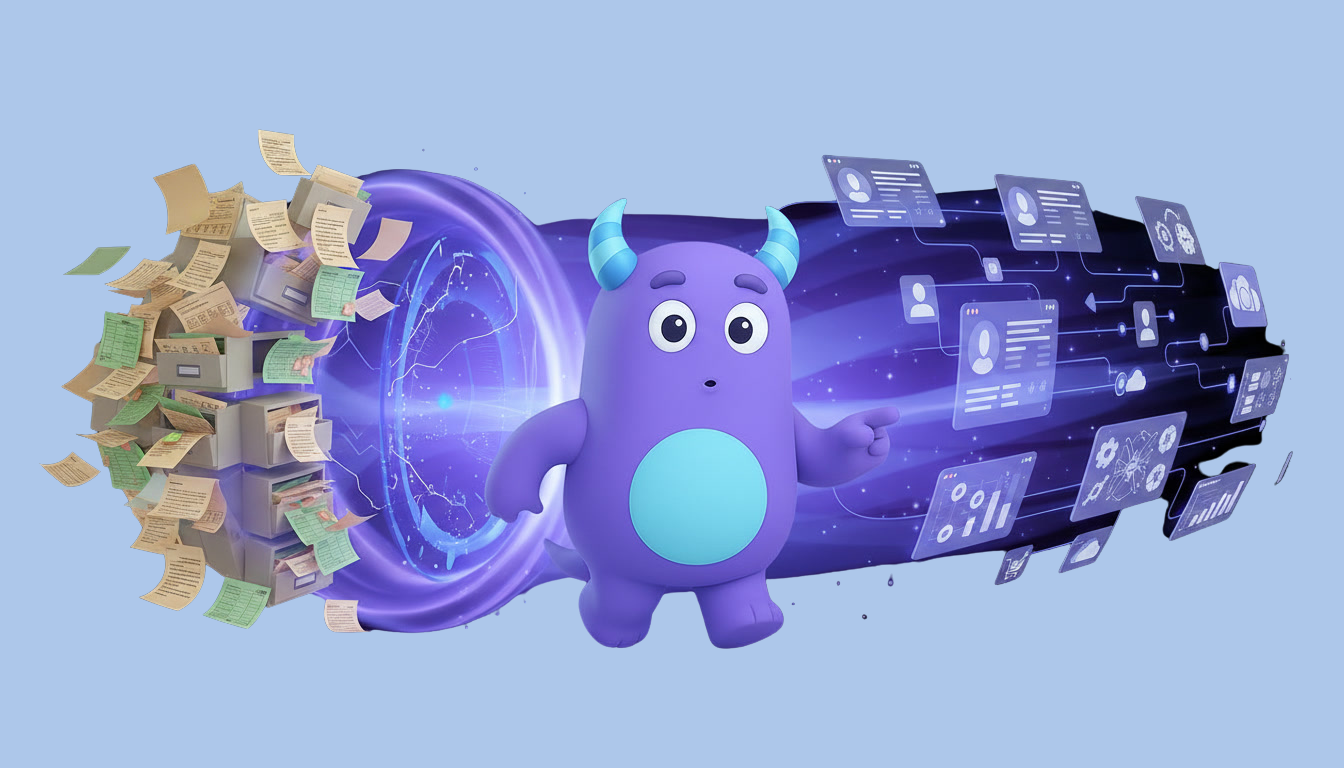
Spreadsheets are often the first solution businesses use to stay organized. They are flexible, familiar, and easy to start with. However, as the business grows, spreadsheets become harder to maintain. Multiple versions appear, data becomes outdated quickly, and errors become more frequent.
Disconnected tools create a similar problem. When sales, finance, inventory, and operations each live in separate systems, teams lose visibility. Data must be copied from one place to another, which increases the risk of mistakes and delays.
ERP replaces this fragmented structure with a single system where information flows automatically between departments.
The Role of ERP in Financial Control
One of the most important functions of an ERP system is financial visibility. In many growing businesses, finance is managed separately from operations. This creates gaps between what is happening in reality and what appears in reports.
With ERP, financial data is connected directly to operational activity. When a service is delivered, a product is sold, or a resource is used, the financial impact is reflected immediately. This allows business owners and managers to see accurate revenue, costs, and profitability without waiting for manual reconciliation.
As a result, decisions are made based on real data rather than assumptions.
How ERP Supports Day-to-Day Operations
ERP systems are not only about reporting. They support daily work across teams. Tasks, workflows, approvals, and internal processes can be structured in a consistent way.
When processes are standardized, employees know what to do next without constant clarification. This reduces delays, miscommunication, and dependency on individual knowledge.
Over time, this structure improves efficiency and reduces operational stress.
ERP and Resource Management
Another critical area ERP addresses is resource planning. This can include inventory, materials, time, or workforce capacity, depending on the business type.
Without ERP, resource planning often relies on estimates. With ERP, availability and usage are tracked in real time. This helps prevent shortages, overbooking, or underutilization.
Better resource planning directly impacts service quality and customer satisfaction.
ERP vs CRM: Understanding the Difference
ERP is often confused with CRM systems. While CRM focuses on managing customer relationships, leads, and sales communication, ERP covers the entire operational backbone of the business.
In modern platforms, CRM functionality is frequently included as part of a broader ERP system. This allows customer activity to connect directly with operations and finance instead of existing in isolation.
For service businesses especially, this combination is essential.
When ERP Becomes Necessary
ERP is not only for large enterprises. Many small and mid-sized businesses reach a point where growth creates more complexity than their current systems can handle.
Signs that ERP may be needed include inconsistent data, frequent operational errors, lack of financial clarity, and heavy reliance on manual coordination.
Implementing ERP earlier rather than later helps businesses scale without losing control.
Conclusion
An ERP system provides structure where complexity grows. It connects finance, operations, and resources into a single environment that reflects how the business truly works.
For businesses aiming to grow sustainably, ERP is not about replacing people or strategy. It is about creating clarity, reducing friction, and enabling better decisions.
In a competitive environment where efficiency and visibility matter, ERP becomes a foundation for long-term stability and growth.
.jpg)
.jpg)