CRM systems are widely adopted across industries, yet many service businesses feel constant friction when using them. Data is stored, deals are tracked, and reports are generated, but daily operations still rely on messages, spreadsheets, and manual coordination.
This disconnect creates frustration. Teams enter data into the CRM, but real work happens elsewhere. Over time, the CRM becomes a reporting tool instead of an operational system.
Understanding why most CRMs fail service businesses requires looking beyond features and focusing on how service work actually happens.
CRMs Are Designed Around Sales, Not Delivery
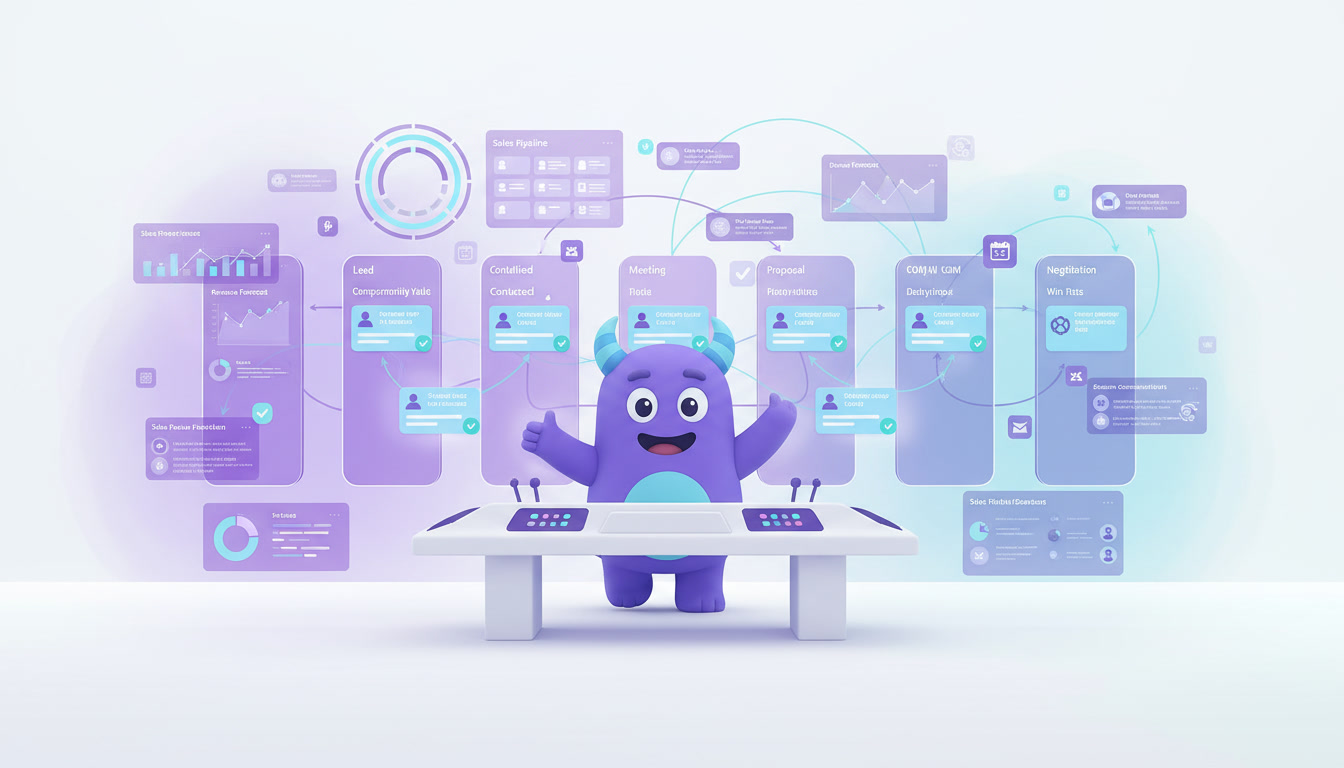
Traditional CRM platforms are built to support sales pipelines. They focus on leads, opportunities, and closing deals. This structure works well for transactional sales but breaks down once a service is sold.
Service businesses depend on delivery, coordination, and execution after the sale. Tasks, projects, schedules, and communication become central. When the CRM does not support this phase, teams must switch tools, fragmenting information.
The result is a system that captures intent but not execution.
Customer Data Is Isolated From Daily Work
In many CRMs, customer data exists separately from tasks, projects, and operations. Teams can see contact details and notes but cannot easily connect them to what is happening right now.
This separation forces employees to search across tools to understand context. Important information is missed, updates are duplicated, and collaboration becomes inefficient.
A CRM should reflect the full customer lifecycle, not just the moment of sale.
Manual Processes Create Hidden Complexity
When CRMs lack operational depth, teams compensate with manual processes. Follow-ups are sent manually, tasks are tracked in personal lists, and status updates are shared through messages.
This creates hidden work. Managers spend time coordinating instead of leading. Execution depends on memory instead of structure.
Over time, this manual layer becomes the real system, while the CRM remains a passive database.
Limited Visibility After the Sale
Once a deal is closed, visibility often decreases. Delivery progress, delays, and issues are not reflected in the CRM. Leadership loses real-time insight into client status.
Problems surface only when clients complain or deadlines are missed. By then, recovery is costly.
Service businesses need continuous visibility, not just pipeline reporting.
Why Service Teams Resist CRM Adoption
When a CRM adds work without reducing effort, teams resist using it. Data entry feels like overhead. Updates feel disconnected from outcomes.
This resistance is not cultural. It is practical. People adopt systems that help them execute better, not systems that exist only for reporting.
A CRM must support daily work to earn consistent use.
What a Modern CRM Must Include
A modern CRM for service businesses must connect sales, delivery, and operations in one environment. Tasks, projects, communication, and finance should be linked directly to customers.
Automation reduces manual coordination. Standard workflows replace informal processes. Visibility improves without requiring constant updates.
When the CRM becomes the place where work happens, not just where data is stored, adoption follows naturally.
Conclusion
Most CRMs fail service businesses because they stop at sales. Service delivery requires structure, visibility, and coordination beyond the pipeline.
By choosing a CRM built around execution rather than reporting, service businesses reduce fragmentation, improve delivery consistency, and create a single source of truth across the organization.