سیستمهای CRM به طور گسترده در صنایع مختلف به کار گرفته میشوند، با این حال بسیاری از کسبوکارهای خدماتی هنگام استفاده از آنها با چالشهای مداومی روبرو هستند. دادهها ذخیره میشوند، معاملات پیگیری میشوند و گزارشها تولید میشوند، اما عملیات روزانه همچنان به پیامها، صفحات گسترده (spreadsheets) و هماهنگیهای دستی وابسته است.
این عدم یکپارچگی باعث سرخوردگی میشود. تیمها دادهها را در CRM وارد میکنند، اما کار واقعی در جای دیگری انجام میشود. با گذشت زمان، CRM به جای یک سیستم عملیاتی، به ابزاری برای گزارشدهی تبدیل میشود.
برای درک اینکه چرا اکثر CRMها برای کسبوکارهای خدماتی ناموفق هستند، باید فراتر از ویژگیها را نگریست و بر چگونگی انجام کار در این کسبوکارها تمرکز کرد.
CRMها برای فروش طراحی شدهاند، نه برای ارائه خدمات
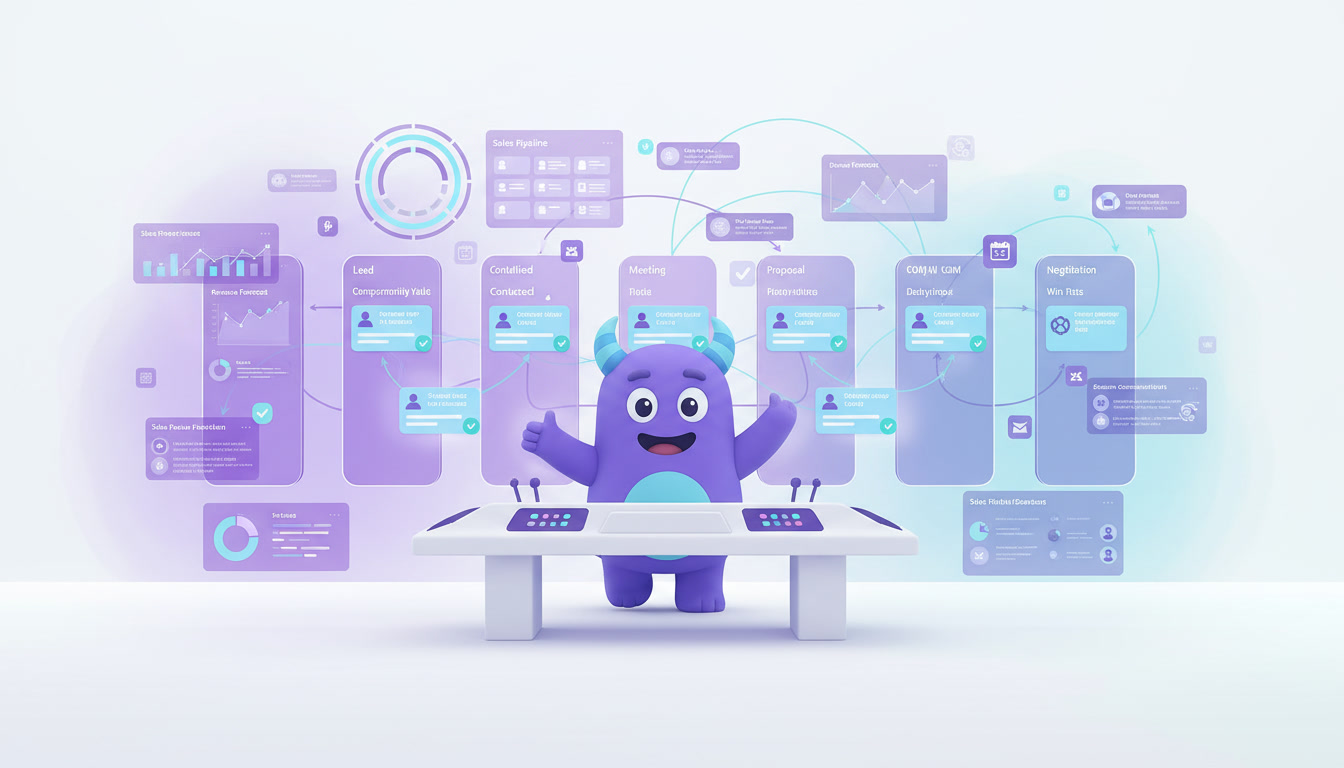
پلتفرمهای CRM سنتی برای پشتیبانی از قیف فروش (sales pipelines) ساخته شدهاند. آنها بر سرنخها، فرصتها و نهایی کردن معاملات تمرکز دارند. این ساختار برای فروشهای معاملاتی به خوبی کار میکند، اما به محض فروش یک خدمت، کارایی خود را از دست میدهد.
کسبوکارهای خدماتی به تحویل، هماهنگی و اجرای خدمات پس از فروش وابسته هستند. وظایف، پروژهها، برنامهریزیها و ارتباطات در مرکز توجه قرار میگیرند. وقتی CRM از این مرحله پشتیبانی نمیکند، تیمها مجبور به استفاده از ابزارهای دیگر میشوند که منجر به پراکندگی اطلاعات میگردد.
نتیجه، سیستمی است که قصد و نیت را ثبت میکند، اما اجرا را نه.
دادههای مشتری از کارهای روزمره جدا هستند
در بسیاری از CRMها، دادههای مشتری به صورت جداگانه از وظایف، پروژهها و عملیات وجود دارند. تیمها میتوانند اطلاعات تماس و یادداشتها را ببینند، اما نمیتوانند به راحتی آنها را به آنچه در لحظه در حال وقوع است، متصل کنند.
این جدایی کارمندان را مجبور میکند برای درک زمینه و شرایط، در ابزارهای مختلف جستجو کنند. اطلاعات مهم از دست میرود، بهروزرسانیها تکراری میشوند و همکاری ناکارآمد میگردد.
یک CRM باید تمام چرخه عمر مشتری را منعکس کند، نه فقط لحظه فروش را.
فرآیندهای دستی پیچیدگی پنهان ایجاد میکنند
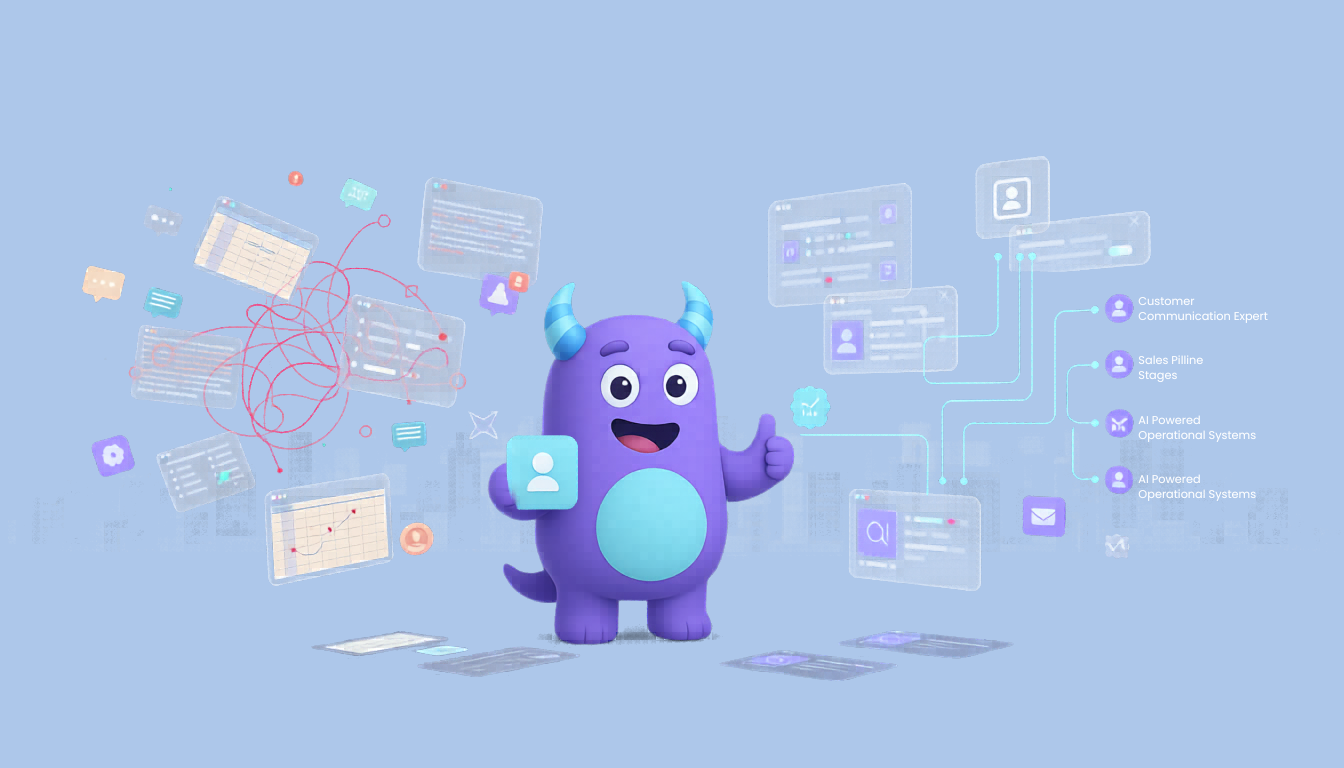
وقتی CRMها فاقد عمق عملیاتی هستند، تیمها با فرآیندهای دستی این کمبود را جبران میکنند. پیگیریها به صورت دستی ارسال میشوند، وظایف در لیستهای شخصی دنبال میشوند و بهروزرسانیهای وضعیت از طریق پیامها به اشتراک گذاشته میشوند.
این امر کار پنهان ایجاد میکند. مدیران به جای رهبری، وقت خود را صرف هماهنگی میکنند. اجرا به جای ساختار، به حافظه افراد وابسته میشود.
با گذشت زمان، این لایه دستی به سیستم واقعی تبدیل میشود، در حالی که CRM یک پایگاه داده منفعل باقی میماند.
دید محدود پس از فروش
پس از نهایی شدن یک معامله، دید و شفافیت اغلب کاهش مییابد. پیشرفت تحویل خدمات، تأخیرها و مشکلات در CRM منعکس نمیشوند. مدیریت، دید لحظهای خود را نسبت به وضعیت مشتری از دست میدهد.
مشکلات تنها زمانی آشکار میشوند که مشتریان شکایت میکنند یا مهلتها از دست میروند. در آن زمان، جبران خسارت پرهزینه است.
کسبوکارهای خدماتی به دید و شفافیت مستمر نیاز دارند، نه فقط گزارشدهی از قیف فروش.
چرا تیمهای خدماتی در برابر پذیرش CRM مقاومت میکنند
وقتی یک CRM بدون کاهش تلاش، کار بیشتری اضافه میکند، تیمها در برابر استفاده از آن مقاومت میکنند. ورود داده مانند یک کار اضافی و سربار به نظر میرسد. بهروزرسانیها بیارتباط با نتایج به نظر میرسند.
این مقاومت فرهنگی نیست، بلکه عملی است. افراد سیستمهایی را میپذیرند که به آنها در اجرای بهتر کارها کمک میکند، نه سیستمهایی که فقط برای گزارشدهی وجود دارند.
یک CRM برای اینکه به طور مداوم مورد استفاده قرار گیرد، باید از کارهای روزمره پشتیبانی کند.
یک CRM مدرن باید شامل چه مواردی باشد
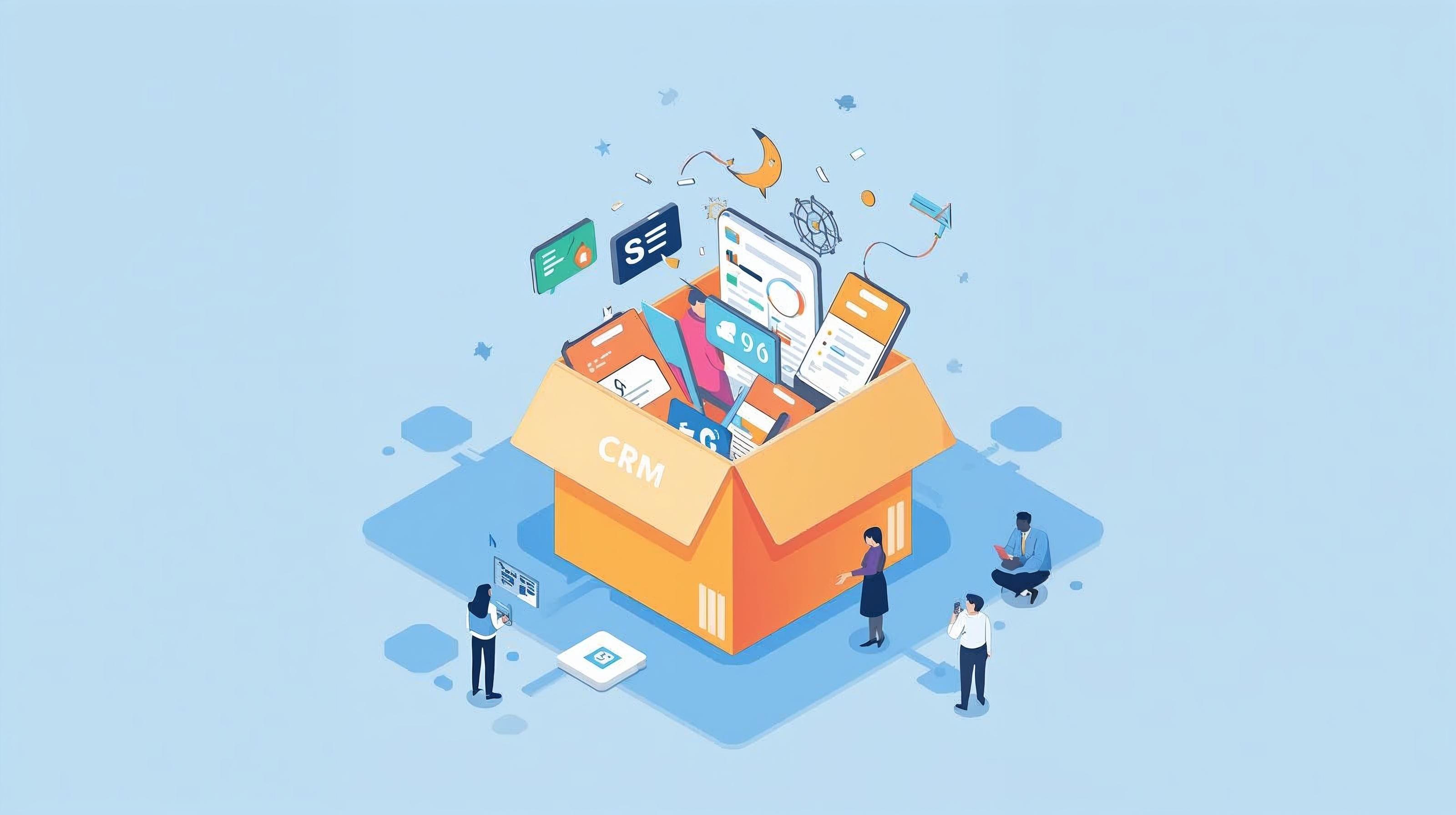
یک CRM مدرن برای کسبوکارهای خدماتی باید فروش، تحویل خدمات و عملیات را در یک محیط واحد به هم متصل کند. وظایف، پروژهها، ارتباطات و امور مالی باید مستقیماً به مشتریان مرتبط شوند.
اتوماسیون هماهنگیهای دستی را کاهش میدهد. گردشکارهای استاندارد جایگزین فرآیندهای غیررسمی میشوند. دید و شفافیت بدون نیاز به بهروزرسانیهای مداوم بهبود مییابد.
وقتی CRM به مکانی تبدیل میشود که کار در آن انجام میشود، نه فقط جایی که دادهها ذخیره میشوند، پذیرش آن به طور طبیعی اتفاق میافتد.
نتیجهگیری
اکثر CRMها برای کسبوکارهای خدماتی ناموفق هستند زیرا در مرحله فروش متوقف میشوند. ارائه خدمات نیازمند ساختار، شفافیت و هماهنگی فراتر از قیف فروش است.
با انتخاب یک CRM که به جای گزارشدهی، بر مبنای اجرا ساخته شده است، کسبوکارهای خدماتی پراکندگی اطلاعات را کاهش میدهند، ثبات در ارائه خدمات را بهبود میبخشند و یک منبع واحد حقیقت (single source of truth) در سراسر سازمان ایجاد میکنند.